 October 2025 in “Journal of Veterinary Clinics”
 In this case study, a Pomeranian was diagnosed with vaccine-induced ischemic dermatopathy, where different medication regimens gradually improved hair regrowth, though some lesions persisted after tapering treatment.
 September 2025 in “Frontiers in Cell and Developmental Biology”
 In this review, retinoids are highlighted as promising agents for promoting scarless skin regeneration by coordinating cellular and molecular processes that suppress fibrosis, enhance re-epithelialization, promote angiogenesis, and enable hair follicle formation, potentially advancing functional skin repair.
 September 2025 in “Cureus”
 This study found that dermatologists in an urban academic setting most frequently use topical corticosteroids, intralesional corticosteroids, and topical minoxidil for treating central centrifugal cicatricial alopecia, aligning with current literature recommendations on reducing inflammation.
 August 2025 in “Scientific Reports”
 This study found that the protein C4BPA may link insulin resistance and acne vulgaris by influencing lipid metabolism and inflammatory pathways, suggesting it as a potential mediator in the pathogenesis of both conditions.
 December 2024 in “Surgery and Clinical Practice”
 This study suggests that Low-level Laser Therapy may improve pain and quality of life in women with Chronic Pelvic Pain Syndrome, though larger studies are needed to confirm these findings.
 September 2024 in “Frontiers in Veterinary Science”
 In this study, researchers observed that introducing an Environmental Enrichment Program improved the reproductive and zootechnical performance of Calomys callosus rodents by enhancing reproductive indices, parental care, and overall health, including reduced non-infectious lumbar alopecia.
 February 2024 in “International Journal of Scientific Research in Science and Technology”
 This literature review outlines the traditional uses, nutritional composition, and bioactive compounds of pomegranate plants, highlighting their varied pharmacological actions such as antibacterial, antiviral, anticancer, and antioxidant effects, and discusses the peel's chemical composition and toxicology.
 October 2023 in “Open Repository of the University of Porto (University of Porto)”
 Pharmacists play a crucial role in patient care and optimizing treatment outcomes.
 April 2023 in “Digital Library of Theses and Dissertations (Universidade de São Paulo)”
 This study concluded that mesenchymal stem cells from adipose tissue harvested using laser-assisted liposuction with selective photo-stimulation are as effective and low-risk for cell therapy as those obtained through conventional liposuction, based on their differentiation potential, cellular proliferation, and cytokine expression.
The study found that adipose-derived mesenchymal stem cells obtained via laser-assisted liposuction with selective photo-stimulation are comparable in differentiation potential and tumorigenic risk to those from conventional liposuction for cell therapy applications.
 April 2023 in “Clinical theriogenology”
 This report highlights the usefulness of specific diagnostic procedures, including penile/preputial cytology and transabdominal ultrasonography, in diagnosing cryptorchidism and Sertoli cell tumors in dogs with generalized skin conditions.
 March 2023 in “Bagcılar medical bulletin”
 This case report highlights a rare diagnosis of an androgen-secreting adrenal tumor in a patient with hyperandrogenism and virilization symptoms, emphasizing the role of gynecologists in early detection.
 January 2023 in “bioRxiv (Cold Spring Harbor Laboratory)”
 In this study, researchers observed that after mesenchymal cell division in mouse and chicken embryonic skin, elevated migration speed and persistence for 180 minutes contribute to mesenchymal dispersal and preferential recruitment to dermal condensates.
 January 2023 in “Journal of pharmacognosy and phytochemistry”
 This discussion concluded that many herbal home remedies are effective for treating alopecia and other hair conditions without causing adverse reactions, as opposed to allopathic medicines that often have undesirable side effects.
 November 2021 in “Veterinary world/Veterinary World”
 In this study, dogs with localized demodicosis showed notable improvement in dermatological lesions when treated with Dipterocarpus alatus oil combined with Rhinacanthus nasutus leaf extract, particularly by day 28 of post-treatment, with no observed allergic reactions or clinical signs.
 November 2021 in “Journal of pharmaceutical research international”
 This review examines the benefits and preparation methods of herbal versus chemical depilatories, highlighting the potential safety and efficacy advantages of herbal ingredients but provides no new experimental findings.
 May 2021 in “International journal of developmental research”
 This review discusses the role of sex hormones, particularly estrogen and progesterone, in melasma pathogenesis and suggests that progesterone in oral contraceptives may help prevent melasma by regulating melanocyte proliferation.
 January 2021 in “arXiv (Cornell University)”
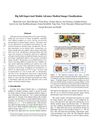
 This study found that self-supervised pretraining significantly improves accuracy in medical image classifiers for dermatology and chest X-ray tasks, outperforming supervised baselines and showing robustness to distribution shifts with limited labeled data.
 September 2020 in “British Journal of Dermatology”
 This article provides issue information for the September 2020 edition of the British Journal of Dermatology and contains no new research findings.
 June 2020 in “bioRxiv (Cold Spring Harbor Laboratory)”
 This study found that overexpression of β-catenin in bipotent Schwann-cell precursors promotes melanocyte development in limb areas by inducing MITF and repressing FoxD3, especially during a specific developmental timeframe.

This handbook of dermatology provides a comprehensive practical manual for dermatologists, but reports no new research findings.
 January 2019 in “Advances in Environmental Biology”
 This article discusses the structure and function of sebaceous glands and their role in skin moisture but reports no new research findings.
 November 2018 in “The Journal of Allergy and Clinical Immunology: In Practice”
 This report documents the successful use of theophylline in treating an 11-year-old girl with a rare immunodeficiency syndrome, suggesting potential in drug repurposing for primary immunodeficiency disorders and asthma.

This review found that antimalarial agents were more effective than steroids for Lichen planopilaris, while finasteride and dutasteride showed favorable impacts on frontal fibrosing alopecia, despite heterogeneous study quality.
 April 2018 in “bioRxiv (Cold Spring Harbor Laboratory)”
 This study reported that small molecules such as α-ketoglutarate, α-ketobutyrate, rapamycin, and metformin may stimulate hair regeneration by activating autophagy pathways.
This reference list, part of a book by Alex Gough, Alison Thomas, and Dan O'Neill, compiles citations from veterinary journals on various canine and feline health issues, but reports no new research findings.
 July 2017 in “Contemporary Endocrinology”
 This article discusses the ongoing care needs for individuals with 21-hydroxylase deficiency due to mutations in the CYP21A2 gene but does not present new clinical findings.
 March 2017 in “InTech eBooks”
 This source provides a comprehensive review of acne vulgaris, highlighting its pathophysiology, epidemiology, molecular mechanisms, and treatment options, emphasizing the significance of addressing acne's psychosocial burden for adolescents and beyond.
 January 2017 in “Clinical approaches and procedures in cosmetic dermatology”
 This chapter reviews differences in dermatological treatments and conditions between male and female patients, particularly noting the impacts of sex steroids on various skin processes, but presents no new clinical findings.
 August 2016 in “Journal of evolution of medical and dental sciences”
 This study describes the clinical profile of acne vulgaris in patients from a tertiary care hospital, noting a male predominance and frequent occurrence of post acne hyperpigmentation.