 May 2025 in “Research Journal of Biotechnology”
 This study found that diabetic individuals experienced significant changes in hair characteristics, including reduced thickness, strength, and altered growth cycle phases, correlated with poor glycaemic control and haematological variations compared to healthy controls.
 May 2025 in “Animal Bioscience”
 This study found that inhibiting prolactin secretion during the telogen phase can reduce the number of activated secondary hair follicles and the width of hair bulbs.

In this study, researchers found that Fgf21 knockout mice exhibited delayed hair follicle cycling compared to wild-type mice, potentially due to altered miRNA interactions affecting Vezf1 and Map3k1 expression, providing insights into the molecular regulation of hair growth.

This study found that platelet-derived extracellular vesicles from apheresis platelets may effectively activate dermal papilla cells and promote hair follicle growth in a mouse model of hair regeneration.
 March 2025 in “International Journal of Molecular Sciences”
 This study established a Krt24-CreERT2 mouse line targeting outer bulge hair follicle stem cells, finding these cells crucial for hair follicle development and repair, particularly following ionizing radiation exposure.
February 2025 in “Brazilian Journal of Hair Health” This case study found that a multimodal treatment approach effectively improved hair density and scalp coverage in a patient with androgenetic alopecia, with no reported adverse effects.
 January 2025 in “ACS Applied Materials & Interfaces”
 In this study, a nanoparticle system codelivering diphenylcyclopropenone and rapamycin successfully induced immune tolerance and promoted hair regrowth in a mouse model of alopecia areata, offering a promising new therapeutic strategy for this autoimmune condition.
 January 2025 in “Journal of Materials Chemistry B”
 This research highlights the potential of using nanomaterials with advanced reactive oxygen properties to target oxidative stress in hair follicle tissue, which is associated with androgenetic alopecia, addressing a gap in the current understanding of AGA treatments.
 October 2024 in “Frontiers in Veterinary Science”
 This study identified key proteins, FKBP10 and FBN2, that promote the growth cycle of secondary hair follicles in cashmere goats, with higher expression in the anagen phase, offering insights into mechanisms potentially enhancing cashmere yield and quality.
October 2024 in “Frontiers in Immunology” This study proposes that intranasal exposure to PTx and autoantigen in an animal model can trigger autoimmune disease, supporting the idea that subclinical nasal colonization by BP may cause alopecia areata.
September 2024 in “Journal of Ethnopharmacology” In this study, Terminalia bellirica extracts promoted hair regrowth in testosterone-induced AGA mice, possibly by inhibiting type II 5α-reductase activity and enhancing the MAPK signaling pathway.
August 2024 in “Archives of Dermatological Research” This study suggests that proteins CHI3L1 and CXCL5, secreted by recovery-state dermal papilla cells, may promote hair growth by stimulating the proliferation of outer root sheath cells.
 August 2024 in “Journal of Animal Science and Technology”
 This study identified specific keratin-associated protein genes that are highly expressed in different varieties and sexes of Angora goats, providing insights for improving mohair development through targeted breeding strategies.
 July 2024 in “Journal of Cosmetic Dermatology”
 This study on rats found that topical application of bacterial melanin significantly stimulates hair growth by prolonging the anagen phase and enhancing vasodilation in the treated skin areas compared to controls, suggesting its potential as a cost-effective hair growth treatment.
 July 2024 in “Pharmaceutics”
 In a mouse model of androgenetic alopecia, this study found that a novel hydrogel containing minoxidil-incorporated engineered exosomes (Gel@MNs) enhanced hair regeneration more effectively than conventional minoxidil, increasing hair follicle number and size while reducing skin irritation.
July 2024 in “Chemical Engineering Journal” A new microneedle system with minoxidil nanoparticles effectively promotes hair regrowth with fewer side effects.
 May 2024 in “Cell proliferation”
 This study found that melatonin supplementation significantly promoted hair regeneration in a hair depilation mouse model by up-regulating the Wnt/β-catenin signaling pathway in dermal papillae and hair follicle stem cells, suggesting potential implications for human hair loss treatments.
 May 2024 in “Chemical engineering journal”
 This study reports that a new minoxidil and epigallocatechin gallate co-loaded ionic liquids system showed superior efficacy in promoting hair regrowth in a mouse model of androgenic alopecia by activating hair follicle stem cells and improving microenvironment conditions, compared to existing minoxidil products.
This study observed that stimulating the cholinergic system via muscarinic receptors in dermal papilla cells and other hair-related tissues promoted hair growth, with mechanisms involving the activation of Wnt/β-catenin signalling pathways in cell cultures and increased hair shaft elongation in mouse vibrissae treated with bethanechol.
 April 2024 in “Cellular signalling”
 This study on mice found that activating TRPML channels with MLSA1 promoted hair regeneration, accelerated hair cycle transition, and influenced human dermal papilla cells to secrete hair growth promoting factors while reducing hair growth inhibitors and oxidative damage.
 February 2024 in “ACS Omega”
 This study found that the topical Shen Bai hair growing decoction may improve androgenetic alopecia in mice by suppressing TNF-α and IL-6 levels, enhancing follicle density, and reducing apoptosis.
 January 2024 in “Biological & pharmaceutical bulletin”
 In this study, Panax ginseng extract and its ginsenosides were found to stimulate the proliferation of hair-related cells and promote the transition from the telogen to the anagen phase, enhancing hair-shaft growth by suppressing BMP4 expression in human dermal papilla cells.
 January 2024 in “Cosmetics”
 In this in-vitro study on human hair follicle cultures, researchers reported that the HAIR & SCALP COMPLEX significantly enhanced hair bulb growth and dermal papilla regeneration compared to other treatments, suggesting a potential new approach for managing hair loss and promoting growth.

In a study using an androgenetic alopecia mouse model, researchers found that Qu-shi-yu-fa Decoction significantly promoted hair regeneration by enhancing follicle transition and activating key pathways, with potential therapeutic targets such as FOXN1 and TGM3 identified.
 December 2023 in “Farmateka”
 Minoxidil is an effective and safe treatment for common hair loss when applied to the skin, but more research is needed for optimal use.
December 2023 in “Animals” This study used single-cell RNA sequencing to analyze 26,573 cells from the scapular skin of yaks, identifying 11 major cell types and providing insights into the diversity and morphogenesis of hair follicle cell types through detailed maps of DP cells and dermal fibroblasts.
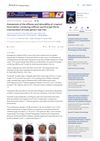 November 2023 in “Journal of Cosmetic Dermatology”
 This study found that a 12-week topical treatment with a caffeine and Procapil 3% formulation effectively reduced hair loss by 26.9% and improved hair growth in men with androgenetic alopecia, without any reported adverse effects.

This study discusses a potential new treatment called AMPLEX PLUS that may significantly slow hair loss and stimulate new hair growth by influencing the transition of hair follicles from the telogen phase to the active anagen phase.
 November 2023 in “Journal of Drug Delivery Science and Technology”
 This article reviews the potential of stem cell-derived exosomes as a therapeutic approach for androgenic alopecia, noting their advantages over traditional cell therapy in repairing and regenerating hair follicles to address hair loss.
 November 2023 in “PubMed”
 In this study using animal models, umbilical cord stem cell conditioned media combined with oral anti-androgens improved hair regeneration in androgenetic alopecia, enhancing hair follicle cycles and reducing inflammation, suggesting potential as a promising therapy.