This study reviewed various methods and techniques aimed at overcoming limitations in culturing human hair follicles, specifically focusing on restoring the inductivity of hair follicle cells for successful hair regeneration.
 March 2024 in “Journal of functional foods”
 This study found that both marine and bovine collagen peptides may help prevent hair loss by supporting epithelial hair follicle stem cell functions, with marine peptides maintaining hair in the growth phase and bovine peptides increasing stem cell presence in hair follicle regions.
 February 2024 in “International Journal of Molecular Sciences”
 This review outlines the functional anatomy, pathology, and molecular mechanisms of androgenetic alopecia, emphasizing the need for multi-omics approaches to better understand this condition's biology.
1 citations
,
March 2022 in “IntechOpen eBooks” This article reviews the functions and locations of skin stem cells and their role in regeneration and differentiation, relating age-associated skin changes to decreased stem cell functionality; it reports no new experimental findings.
10 citations
,
April 2020 in “Journal of surfactants and detergents” This study found that shampoos with sugar-derived surfactants improved hair cleansing properties, were less cytotoxic, and resulted in easier hair combing compared to formulations containing sodium laureth sulfate.
 August 2022 in “Metabolites”
 This study identified significant metabolic differences between volar and non-volar skin in mice, revealing distinct amino acid, sugar, and nucleotide metabolism patterns associated with skin type differentiation.
 1 citations
,
January 2017 in “International Journal of Research in Medical Sciences”
1 citations
,
January 2017 in “International Journal of Research in Medical Sciences” This study found that metabolic syndrome was 4.6 times more common in patients with androgenetic alopecia than in controls, particularly among those with severe grades, suggesting a higher risk of cardiovascular diseases.
 4 citations
,
February 2020 in “Dermatologic Therapy”
4 citations
,
February 2020 in “Dermatologic Therapy” Poor sleep, meat-heavy diets, and junk food worsen hair loss, while sugary drinks may help.
 4 citations
,
March 2020 in “BMC Research Notes”
4 citations
,
March 2020 in “BMC Research Notes” In this study of Irish adults with morbid obesity, skin tags were associated with higher blood pressure, HbA1c levels, and a greater prevalence of diabetes and hypertension, indicating increased cardiovascular risk.
 3 citations
,
March 2023 in “Life”
3 citations
,
March 2023 in “Life” This review discusses recent findings on wound healing with a focus on adipose tissue biology and obesity, but presents no new clinical results.
38 citations
,
March 2015 in “Journal of controlled release” This study found that transfollicular delivery using surfactant-based nanoparticles significantly enhanced antigen stability and immune response compared to other delivery methods, especially when combined with an adjuvant.
 September 2017 in “Journal of Investigative Dermatology Symposium Proceedings”
 This study aimed to assess how hydroquinone-based body milks affect blood glucose levels in diabetic women in Senegal but does not provide new results.
 December 2025 in “Zenodo (CERN European Organization for Nuclear Research)”
 In this study, the researchers reported that Chyavanaprasam K Tab, a novel Ayurvedic tablet, showed consistent quality and safety, offering potential benefits for fatigue relief, immune support, and hair growth, and is suitable for diabetics due to its sugar-free composition.
 December 2025 in “Zenodo (CERN European Organization for Nuclear Research)”
 In this study, researchers evaluated Chyavanaprasam K Tab, an Ayurvedic tablet, finding it to have consistent quality and safety, with potential benefits for fatigue relief, immune support, and hair growth. It is also deemed suitable for diabetic individuals due to its sugar-free composition.
October 2023 in “Perinatology and reproductology from research to practice” This study found that a pathogenetically-based treatment using drugs to correct dyslipidemia and insulin resistance in conjunction with basic therapy led to better outcomes for alopecia areata patients with metabolic syndrome.
 6 citations
,
April 2021 in “Scientific Reports”
6 citations
,
April 2021 in “Scientific Reports” This study found that Phytochrome A is crucial for regulating central metabolism and the transition to mature seedling proteomes in tomato seedlings grown under far-red light.
 August 2025 in “Nutrition and Health”
 In this systematic review, researchers linked higher vitamin D and iron levels to reduced alopecia, while increased alcoholic and sugary beverage intake was correlated with greater hair loss, highlighting the impact of diet on hair health.

This study found that individuals with both androgenetic alopecia and metabolic syndrome had thicker subcutaneous adipose tissue in the frontal scalp, along with unfavorable metabolic parameters, compared to those without metabolic syndrome.
 14 citations
,
August 2019 in “BioMed Research International”
14 citations
,
August 2019 in “BioMed Research International” This study found that abdominal obesity was the primary predictive factor for nonalcoholic fatty liver disease in women, rather than the presence of polycystic ovary syndrome.
 August 2017 in “International Journal of Research in Dermatology”
 This study found no significant association between metabolic syndrome and lichen planus, but hypertension, triglycerides, and low HDLC levels were significantly associated with lichen planus.
 January 2019 in “Current research in diabetes & obesity journal”
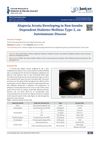
 A woman with type 2 diabetes developed alopecia areata, suggesting a link between the two autoimmune conditions.

This review describes deep eutectic solvents as a green alternative to toxic solvents in extracting bioactive compounds, highlighting their sustainability, production from natural ingredients, and beneficial properties for pharmaceutical applications.
 10 citations
,
January 2010 in “PubMed”
10 citations
,
January 2010 in “PubMed” This article reviews current hair loss treatments, proposing a hypothesis that a combination of drugs, supplements, and therapies may effectively manage hair loss, but presents no new clinical results.
136 citations
,
April 2010 in “British Journal of Dermatology” This review discusses guidelines for acitretin use in dermatology, reporting its efficacy in severe psoriasis and recommendations for combination therapies, without providing new clinical trial results.
 9 citations
,
December 2022 in “Antibiotics”
9 citations
,
December 2022 in “Antibiotics” This study found that coconut seed extract may effectively treat scabies in rabbits by improving infection signs and causing high mite mortality, suggesting its potential as a cost-effective herbal alternative.
 August 2023 in “International Journal For Multidisciplinary Research”
 This review discusses the potential benefits of millets for managing Polycystic Ovary Syndrome by improving glycemic control and insulin sensitivity, but reports no new clinical results.
 7 citations
,
January 2022 in “Evidence-based complementary and alternative medicine”
7 citations
,
January 2022 in “Evidence-based complementary and alternative medicine” This study found that ginger supplementation significantly improved persistent hypothyroid symptoms and may aid in weight and lipid profile management in hypothyroid patients with normal TSH levels.
July 2026 in “Current Stem Cell Reports” This review highlights that stem cell-based therapies show promise in skin regeneration for conditions like chronic wounds and burns due to their regenerative and immunomodulatory effects, though challenges like safety and scalability limit widespread clinical use.
 January 2025 in “International Journal of Drug Delivery Technology”
 In this study, researchers developed a reliable HPLC method to simultaneously estimate Finasteride and Tadalafil in marketed formulations, showing precise, linear results with confirmed degradation susceptibility under certain stress conditions.
 June 2022 in “Organic communications”
 This study explores potential treatments for post COVID-19 complications using natural substances through molecular docking, but reports no new clinical results and existing treatments remain limited to prophylaxis and therapeutics.