This review discusses forensic DNA phenotyping and its potential applications, particularly for human identification in Latin American populations, but notes challenges due to genetic diversity and reports no new results.
 June 2025 in “Academic Medical Journal”
 This study suggests elevated homocysteine levels may serve as a biomarker for disease severity and vascular risk in cutaneous lupus erythematosus, indicating potential therapeutic benefits from B-vitamin supplementation and lifestyle changes.
 May 2025 in “Journal of Food and Nutrition Research”
 In this study, black wolfberry ferment was found to promote hair regrowth in mice with androgenetic alopecia by increasing hair weight, follicle count, and skin thickness, potentially through PI3K/AKT, NF-kappa B, and MAPK signaling pathways.
 February 2025 in “The Open Dermatology Journal”
 In this study conducted at Afzalipour Hospital in Iran, researchers found a significant prevalence of alopecia, particularly resembling telogen effluvium, among COVID-19-recovered patients, with hair loss being more common in females and correlating with arterial oxygen saturation levels.

This study focused on developing a nanoemulsion-based gel for delivering minoxidil, aiming to enhance its contact time with the scalp and potentially improve skin absorption compared to conventional topical solutions.
 August 2024 in “Indian Journal of Entomology”
 This study found that rabbits with mange showed significant declines in haemoglobin, PCV, and RBC count, alongside increased TLC and liver enzyme levels. Following treatment with ivermectin and proper management, recovery from the disease was observed.
 August 2024 in “Quality in Sport”
 This review highlights the positive effects of platelet-rich plasma in aesthetic and regenerative medicine, particularly for skin rejuvenation, anti-aging, hair reconstruction, and wound healing, but it reports no new clinical results.

This study found that among male medical students in Saudi Arabia, skin tags, acanthosis nigricans, and acne were common dermatological symptoms potentially linked to insulin resistance, and waist circumference was a significant indicator.
 February 2024 in “Frontiers in physiology”
 This study examines the role of hair follicle stem cells in epidermal regeneration during skin soft tissue expansion, proposing a potential method for their cellular and molecular regulation.
 December 2023 in “International Journal For Multidisciplinary Research”
 This source reviews the application of various natural substances, particularly plant extracts from the Ayurvedic system, in promoting hair growth, addressing common issues like pigmentation, dandruff, and hair loss.
 October 2023 in “Biomedical science and engineering”
 Innovative methods are reducing animal testing and improving biomedical research.
 October 2023 in “Journal of health sciences and medicine :”
 This study aimed to characterize the dermatological findings in patients with end-stage renal disease undergoing maintenance hemodialysis and explore their relationship with demographic and clinical features, although specific results are not reported in the abstract.
 September 2023 in “Journal of Nepal Paediatric Society”
 This study observed that among 206 children in India, skin infections and infestations were the most common skin conditions, highlighting a significant burden in developing countries and underscoring the importance of awareness and treatment in pediatric dermatological care.
 September 2023 in “International journal of Unani and integrative medicine”
 In this study, researchers observed a possible correlation between hair loss patterns and Mizaj (temperament) types, suggesting that hair loss patterns might serve as a diagnostic index for identifying individual temperaments according to the Unani system of medicine.
 July 2023 in “International journal of advanced research in medical and pharmaceutical sciences”
 In this study, researchers formulated and evaluated a gel containing minoxidil and aloe vera for alopecia treatment, finding that it was stable and non-irritant on albino rats, suggesting enhanced topical drug delivery over traditional solutions.
 May 2023 in “Pharma innovation”
 In this study conducted at LFC, Apollo College of Veterinary Medicine in Jaipur, and on local farms, 20 cattle calves with ringworm infection fully recovered after treatment with a combination of 2% povidone iodine and Whitefield ointment applied for 15 days.
 May 2023 in “Health science reports”
 This review discusses the harmful effects of coloring shampoos containing trihydroxybenzene on the scalp-skin barrier and emphasizes the need for safer ingredient selection to prevent side effects.
 April 2023 in “Tikrit journal of pharmaceutical sciences”
 This study reported that 75.9% of participants aged 20-50 in Tikrit, Iraq, had used herbal treatments at least once, primarily for issues like hair loss, hemorrhoids, and gastritis, with the hope of finding effective alternatives to conventional medicine.
This review discusses the potential risks of formaldehyde in hair keratin treatments like Brazilian blow-dry, and reports no new clinical results; it emphasizes the need for greater safety assessments including occupational exposure.
 June 2022 in “Organic communications”
 This study explores potential treatments for post COVID-19 complications using natural substances through molecular docking, but reports no new clinical results and existing treatments remain limited to prophylaxis and therapeutics.
 May 2022 in “Research Square (Research Square)”
 This study found that the newly developed transdermal oil body microgel emulsion (OBEME) improved wound healing in mice by enhancing skin permeability, reducing inflammation, and promoting new blood vessel formation and re-epithelialization.
 November 2021 in “PARIPEX INDIAN JOURNAL OF RESEARCH”
 In this study, researchers administered Trigona bee honey to dogs with dermatitis and observed improvements in skin damage, including reduced inflammation, decreased erythema, and increased hair growth at alopecia sites, indicating its potential as a treatment for canine dermatitis.
 July 2021 in “Indian journal of dermatopathology and diagnostic dermatology”
 In this study, researchers documented several trichoscopic features that were statistically significant indicators of alopecia and scalp disorders compared to healthy controls.
 February 2021 in “PDEAS International Journal of Research in Ayurved and Allied Sciences”
 This article reviews Ayurvedic concepts and treatments related to hair and reports no new clinical results.
 January 2021 in “Plant Archives/Plant archives”
 In this study, Malassezia pachydermatis infection was more common in German shepherd dogs and occurred more frequently in January and February compared to other months in Diyala Governorate.
 January 2021 in “Dermatology Research and Practice”
 This study will explore skin and hair characteristics of pregnant women and their newborns, examining the relationships between these factors and the newborns' skin maturation over time.
 January 2021 in “International journal of medical science and health research”
 This case report highlights a rare incidence of systemic lupus erythematosus in a patient with sickle cell trait, emphasizing the need for awareness of autoimmune disease associations beyond sickle cell disease.
December 2020 in “Han-guk byuti gyeong-yeong hakoeji” This study found that weight control efforts among people in their 20s and 30s were associated with decreased skin moisture, elasticity, and increased hair loss and thinning.
 January 2020 in “Cosmetics”
 This study found that Ecklonia cava extract increased skin hydration and decreased redness, suggesting potential benefits for protecting and repairing scalp skin from pollutant-induced damage.
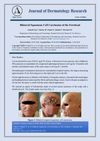
A 70-year-old man with skin cancer on both sides of his forehead was treated with surgery and cryotherapy, highlighting the need for early detection and prevention.