Search
for
Sort by
Research
180-210 / 1000+ resultsresearch BH10 Unequal National Health Service wig provision: toupée or no toupée, that is the question?
This study surveyed UK healthcare professionals on wig provision for nonprivate patients with severe alopecia, finding significant regional disparities in access and perceived ease, which contradict the Alopecia UK Charter for equitable wig distribution.
research Nothing about us, without us: Are we asking the right questions in transgender research?
This abstract lacks findings or results and does not provide a summary about any specific research study or topic.
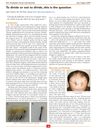
research To divide or not to divide, this is the question
This article introduces the concept of follicular units, highlighting their significance in hair restoration, but reports no new findings.
research Expanding phenotype of hereditary fibrosing poikiloderma with tendon contractures, myopathy, and pulmonary fibrosis caused by FAM111B mutations: Report of an additional family raising the question of cancer predisposition and a short review of early-onset poikiloderma
This study reports a new family with hereditary fibrosing poikiloderma (POIKTMP) and identifies a pancreatic cancer occurrence in a family member, raising questions about FAM111B's role as a potential cancer predisposition gene.
research Increased anxiety from fear of Omicron in China as compared to North America and Western Europe: A cross-sectional Kendall’s tau-b analysis using the generalized anxiety disorder 7-item questionnaire
This study found that Chinese participants experiencing anxiety were significantly more likely to worry about the sequelae of Omicron compared to peers in North America and Western Europe.
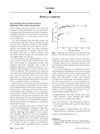
research Iron and hair loss in women; what is deficiency? This is the real question!
This commentary critiques the definition of iron deficiency in hair loss studies, suggesting higher serum ferritin levels as a more accurate threshold for diagnosing deficiency in women.

research Prevalence and Patterns of Dermatological Diseases in Lesbian, Gay, Bisexual, Transgender, and Queer Population: A Cross-Sectional Survey
In this cross-sectional survey conducted in Lahore, Pakistan, 64% of LGBTQ participants experienced dermatological conditions such as androgenic alopecia, atopic eczema, melasma, and infections like scabies, highlighting the need for specialized dermatological care within this community.

research Evaluation of Prevalence of PCOS and Associated Depression, Nutrition, and Family History: A Questionnaire-based Assessment.
This study found a higher prevalence of PCOS among young women, with significant associations to factors like diabetes, non-vegetarian diet, and family history.
research Translation into Spanish Language (México), Transcultural Adaptation, and Validation of the Quality of Life Questionnaire in Female Pattern Hair Loss (WAA-QoL-Sp)
In this study, the authors successfully translated, culturally adapted, and validated the Women's Androgenetic Alopecia Quality of Life questionnaire into Spanish, demonstrating it as a reliable tool for assessing female pattern hair loss.
research Flavonoids as Potential Wound-Healing Molecules: Emphasis on Pathways Perspective
This review compiled evidence suggesting that flavonoids may promote skin wound healing due to their anti-inflammatory, angiogenesis, re-epithelialization, and antioxidant properties, while also discussing current limitations and future prospects for these compounds as wound-healing agents.

research Hair evaluation methods: Merits and demerits
This review discusses the advantages and limitations of various hair loss evaluation methods but reports no new results; it emphasizes the importance of cautious interpretation for these diagnostic tools.
research Cosm-nutraceutical nanovesicles for acne treatment: Physicochemical characterization and exploratory clinical experimentation
Vitamin C-based nanovesicles effectively treat acne.
research Treatment of chronic prostatitis/chronic pelvic pain syndrome
This review discusses various treatment recommendations for Chronic Prostatitis/Chronic Pelvic Pain Syndrome, noting the need for further trials on herbal therapies and specific indications for surgical intervention, but reports no new clinical results.
research Chemical profiling and quantitation of bioactive compounds in Platycladi Cacumen by UPLC-Q-TOF-MS/MS and UPLC-DAD
This study identified 43 compounds in Platycladi Cacumen, including flavonoids, and found significant chemical variation in flavonoid content across different regions and processed products.

research Mechanism of action of herbs and their active constituents used in hair loss treatment
This article reviews mechanisms by which herbal ingredients may stimulate or inhibit hair growth, and it reports no new clinical findings while suggesting potential for developing hair loss treatments.

research Design of a Multifunctional Biomaterial Inspired by Ancient Chinese Medicine for Hair Regeneration in Burned Skin
In this study, researchers created a novel fibrous membrane inspired by ancient Chinese medicine that effectively promotes hair follicle regeneration and wound healing in deep burn injuries by releasing quercetin, copper, and silicon ions.
research An updated review on the parasitic herb of Cuscuta reflexa Roxb
This review discusses the pharmacognosy, phytochemistry, and medicinal uses of Cuscuta reflexa but reports no new experimental results.

research Inhibition of Rat 5α-Reductase Activity and Testosterone-Induced Sebum Synthesis in Hamster Sebocytes by an Extract ofQuercus acutissimaCortex
This study found that Bokusoku extract and its compound pentagalloyl glucose inhibited testosterone metabolism and sebum synthesis, suggesting potential therapeutic use for androgen-related acne.
research Chronic prostatitis and chronic pelvic pain in men: aetiology, diagnosis and management1
This review highlights that current diagnostic and treatment methods for chronic pelvic pain syndrome lack robust evidence, suggesting a need for further research.

research In silico prediction of prostaglandin D2 synthase inhibitors from herbal constituents for the treatment of hair loss
This study identified several compounds from traditional Chinese medicines that may inhibit prostaglandin D2 synthase, potentially providing promising candidates for treating androgenic alopecia with minimal adverse skin reactions.
research Polyphenols from the Heartwood ofCercidiphyllum japonicumand their Effects on Proliferation of Mouse Hair Epithelial Cells
In this study, the methanol extract of Cercidiphyllum japonicum heartwood was found to stimulate the proliferation of mouse hair epithelial cells, with several isolated compounds showing significant proliferative activities.
research Risk factors for intraoperative floppy iris syndrome: a retrospective study
This study found that current use of benzodiazepines, α1-blockers (like tamsulosin, alfuzosin, terazosin), finasteride, and possibly rivastigmine is associated with increased risk of intraoperative floppy iris syndrome in cataract surgery patients.
research Microneedles as an Emerging Platform for Transdermal Delivery of Phytochemicals
This review discusses the challenges of traditional phytochemical delivery methods and highlights the potential of microneedles to improve intra/transdermal delivery, reporting no new clinical results.
research Natural Melanogenesis Inhibitor, Antioxidant, and Collagen Biosynthesis Stimulator of Phytochemicals in Rice Bran and Husk Extracts from Purple Glutinous Rice (Oryza sativa L. cv. Pieisu 1 CMU) for Cosmetic Application
This study found that PES1CMU-defatted rice bran (DFRB) showed effective skin whitening and anti-aging properties comparable to standard treatments in cell models, suggesting its potential use in dermatocosmetics.
research Prevention of Male Late-Onset Hypogonadism by Natural Polyphenolic Antioxidants
In this review, researchers highlighted that natural polyphenolics like flavonoids and resveratrol may help enhance testosterone production in aging males by boosting the expression of the Star gene in Leydig cells, potentially preventing age-related degenerative conditions linked to testosterone insufficiency.

research Androgen Receptor in Human Health: A Potential Therapeutic Target
The Androgen Receptor could be a target for treating diseases like cancer, but more research is needed to confirm the effectiveness of potential treatments.
research Evaluation of Personalized Skincare Through in-silico Gene Interactive Networks and Cellular Responses to UVR and Oxidative Stress
In this study, SNPs in genes affecting skin pigmentation were linked to each skin type's unique response to environmental stress, suggesting potential for personalized skin care products.
research Phytochemical Constitution, Anti-Inflammation, Anti-Androgen, and Hair Growth-Promoting Potential of Shallot (Allium ascalonicum L.) Extract
This study found that shallot extract may promote hair growth in androgenetic alopecia by reducing inflammation and modulating gene expression related to key hair growth pathways.
research Role of Polyphenols in Dermatological Diseases: Exploring Pharmacotherapeutic Mechanisms and Clinical Implications
This source reviews the potential of polyphenols as therapeutic and preventive treatments for common skin disorders such as acne, fungal infections, dermatitis, alopecia, and skin cancer, emphasizing their anti-inflammatory and antimicrobial effects and ability to penetrate the skin barrier.