
This study found that Pygo2 is crucial for early intestinal hyperproliferation induced by stabilized β-catenin, suggesting it as a potential target for therapeutic intervention in cancers with β-catenin mutation.
 30 citations
,
February 2017 in “Histochemistry and Cell Biology”
30 citations
,
February 2017 in “Histochemistry and Cell Biology” This study found that applying TPA to mice accelerated hair follicle regeneration by activating Akt and Wnt/ß-catenin signaling pathways, involving hair follicle stem cell proliferation.
 5 citations
,
October 2019 in “The journal of investigative dermatology/Journal of investigative dermatology”
5 citations
,
October 2019 in “The journal of investigative dermatology/Journal of investigative dermatology” This study identified a high-risk allele in the PLCD1 gene associated with hereditary trichilemmal cyst formation, proposing a monoallelic two-hit mechanism as the underlying genetic pathogenesis.
2 citations
,
May 2020 in “Journal of the American Academy of Dermatology” Hair shaft changes may be linked to CCCA, but their role is unclear.
 April 2023 in “The journal of investigative dermatology/Journal of investigative dermatology”
 This study found that local PGE2 injection may prevent radiotherapy-induced hair loss by protecting hair follicle cells and promoting hair follicle self-repair.
This observational study reviewed thyroid eye disease patients treated with teprotumumab at one center, reporting common side effects like fatigue and dry eye symptoms, with serious adverse events including two cases of blood clots and one pulmonary embolism.
4 citations
,
January 1994 in “Current Opinion in Endocrinology & Diabetes” This review discusses multiple physiological roles of parathyroid hormone-related protein, such as cartilage mineralization and hair follicle regulation, and reports no new experimental results.
March 2026 in “Journal of Enzyme Inhibition and Medicinal Chemistry” This review examines the development and challenges of using PROTACs, a targeted protein degradation strategy, to treat cancer by degrading specific proteins like PARPs and GPX4, highlighting issues such as target diversification and bioavailability.
 15 citations
,
January 2015 in “Skin Pharmacology and Physiology”
15 citations
,
January 2015 in “Skin Pharmacology and Physiology” This study indicates that targeting the PTH/PTHrP receptor may potentially stimulate hair growth, particularly for chemotherapy-induced alopecia, as observed in hairless and cyclophosphamide-treated mice.
12 citations
,
March 2021 in “Journal of Investigative Dermatology” TRPM5 is crucial for maintaining hair growth.
 April 2020 in “Research Square (Research Square)”
 This study reported genetic mutations in trichilemmal carcinoma similar to those found in other skin cancers, including TP53 mutations associated with aggressive disease.
24 citations
,
December 2011 in “International Journal of Cancer” This study found that the collagen-binding fusion protein PTH-CBD significantly improved hair regrowth and follicle health in mice after chemotherapy, suggesting potential as a therapy for chemotherapy-induced alopecia.
2 citations
,
October 2020 April 2023 in “Medicina Clínica (english Edition)” In this study, a risk score was developed and validated to identify patients at high risk of clinical failure after femoropopliteal peripheral vascular intervention, aiming to guide the selection of patients who may benefit from paclitaxel-coated devices or alternative strategies.
9 citations
,
October 2025 in “MedComm” This review discusses the development and clinical progression of PROTAC technology for targeted protein degradation, highlighting its potential to address previously "undruggable" targets but reports no new clinical results.
42 citations
,
June 2019 in “Aging” This study found that treatment with the polyphenolic compound TCQA activated β-catenin, promoting hair regrowth and the initiation of the anagen phase in mice and human dermal papilla cells.
This study found that simultaneous inactivation of pRb and p53 genes in mice's epidermis accelerates aggressive squamous cell carcinoma development, highlighting p53 as a key tumor suppressor.
7 citations
,
January 2017 in “International Journal of Trichology” This case report describes a unique occurrence of plica polonica in a lung adenocarcinoma patient on chemotherapy, linked to anagen effluvium from paclitaxel and carboplatin and uncustomary shampoo use.
April 2012 in “Cancer research” In this study, the authors found that targeting mTORC1 with rapamycin inhibited TPA-induced skin tumor promotion by affecting keratinocyte proliferation, including critical stem cell populations in the mouse epidermis.
38 citations
,
January 2017 in “PPAR Research” This review discusses the role of PPAR-γ in the pathogenesis of primary cicatricial alopecia, including its involvement in lichen planopilaris and treatment trials using PPAR-agonists, and reports no new clinical results.
 99 citations
,
August 2009 in “Nature Genetics”
99 citations
,
August 2009 in “Nature Genetics” This study found that combined loss of Atr and p53 in adult mice led to severe tissue degeneration and delayed regeneration due to the accumulation of highly damaged cells.
This study found that the simultaneous inactivation of pRb and p53 genes in mouse epidermis accelerated aggressive squamous cell carcinoma development via activation of the epidermal growth factor receptor/Akt pathway.
April 2012 in “Neuropediatrics” This article reviews the genetic and phenotypic characteristics of Trichothiodystrophy and discusses the associated DNA repair defects, but does not report new clinical findings.
 October 2025 in “Proceedings of the National Academy of Sciences”
 This study identifies the PI4P-RHD4 module as a key regulator of GET pathway receptor dynamics in Arabidopsis, affecting TA protein insertion and root hair growth.
 January 2015 in “Journal of clinical & experimental dermatology research”
 This study found that treatment with PTH-CBD stimulated hair growth in mice with alopecia areata, with increased levels of beta catenin indicating activation of the Wnt pathway.
1 citations
,
January 2023 in “IntechOpen eBooks” This review explores the advantages and drawbacks of the anticancer drug paclitaxel, noting its effectiveness in combination with cisplatin for breast cancer survival, its potential for treating non-cancer conditions, and the mechanisms behind its resistance.
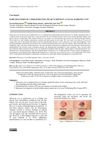 March 2022 in “Folia Medica Indonesiana”
 This case report described a facial hairline tumor initially diagnosed as a sebaceous cyst but ultimately confirmed as a rare Proliferating Pilar Tumor with focal malignancies upon histopathological examination.
2 citations
,
September 2023 in “Journal of the American Academy of Dermatology” CTP-543 effectively promotes hair regrowth in adults with moderate to severe alopecia areata.
April 2026 in “UNC Libraries” This case report describes a 49-year-old woman with metastatic adrenocortical carcinoma in the liver who experienced an abscopal effect after pulse electric field ablation, with PET/CT imaging showing complete resolution of three untreated lesions two months post-treatment.
February 2023 in “Materials today bio” In this study, researchers developed a promising transdermal agent using Triton X-100-modified polyethyleneimine that successfully delivered genetic material to hair follicle cells in mice, potentially alleviating hair loss due to androgenetic alopecia by promoting cell proliferation and inhibiting apoptosis.