January 2025 in “Anais Brasileiros de Dermatologia” This review examines male androgenetic alopecia and reports no new clinical results, offering insights to aid dermatologists in making informed therapeutic decisions.
 January 2025 in “Applied Sciences”
 This review examines sulforaphane's interactions with hormone-mediated health conditions, focusing on gender-specific health issues, but reports no new original research findings.
January 2025 in “Open Medicine” This review discusses the connection between acne and metabolic syndrome, noting shared pathogenic mechanisms and suggesting integrated management strategies without presenting new clinical results.
 December 2024 in “Pharmaceutics”
 This review discusses the role of extracellular vesicles in psoriasis pathogenesis and their potential as therapeutic agents or drug delivery systems, but it reports no new clinical findings.
 August 2024 in “Drug Design Development and Therapy”
 This review explores the biological applications and pharmacokinetics of decursin, a compound isolated from Angelica gigas, highlighting its potential neuroprotective, anti-inflammatory, and anticancer properties based on in vitro and in vivo studies.
 January 2024 in “International Journal of Trichology”
 The authors concluded that the concept of postfinasteride syndrome remains contentious and may be more plausibly characterized as a psychiatric condition rather than a consistent medical syndrome.
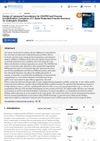 November 2023 in “ACS Omega”
 This study reported that a novel cationic liposome formulation for delivering encapsulated Cas9 protein and sgRNA successfully decreased SRD5α2 mRNA expression by 29.7% in vitro, suggesting a potential alternative treatment option for conditions like prostate cancer and benign prostatic hyperplasia without current drug side effects.
 April 2023 in “Clinical Chemistry and Laboratory Medicine”
 The document concludes that inflammation markers can be used in diabetes, vitamin D3 affects immune pathways, hyperthyroidism changes hormone levels, androgen levels help diagnose Adrenocortical Carcinoma, erectile dysfunction is linked to diabetes, hypogonadism is common in HIV-infected males, and hormones can be biomarkers for various conditions.
 March 2023 in “Translational Andrology and Urology”
 This review discusses the pharmacology of 5-alpha reductase inhibitors, their expanding clinical indications beyond benign prostatic hyperplasia, and notes unresolved claims about their potential role in SARS-CoV-2.
 February 2023 in “IntechOpen eBooks”
 This article discusses the various administration methods and considerations for testosterone replacement therapy, highlighting the importance of individualized therapeutic monitoring and potential adverse effects, but reports no new clinical results.
 August 2022 in “IARS international research journal”
 This review discusses drug repurposing for various conditions, including cancer and COVID-19, highlighting ongoing trials with potential repurposed drugs but provides no new clinical results.
October 2022 in “Biomedicines” In this rat study, offspring from females fertilized by finasteride-treated males showed hyperglycemia and increased hepatic glycogen, linking paternal androgen imbalance to liver issues across generations.
September 2022 in “Dermatology and therapy” This review discusses the pathological factors and comorbidities associated with androgenetic alopecia and reports no new clinical results, emphasizing the need for improved understanding and treatment in clinical practice.
July 2025 in “Nano Research” This review highlights the application of microneedle technology as a promising advancement in psoriasis management, focusing on its roles in enhanced transdermal drug delivery and minimally invasive biomarker monitoring, while also discussing current challenges and future research directions.
 41 citations
,
June 1999 in “The Prostate”
41 citations
,
June 1999 in “The Prostate” In this study, finasteride alone or combined with terazosin significantly reduced PSA levels in men with BPH, while terazosin alone did not affect PSA levels.
 16 citations
,
January 2000 in “The Journal of clinical endocrinology and metabolism/Journal of clinical endocrinology & metabolism”
16 citations
,
January 2000 in “The Journal of clinical endocrinology and metabolism/Journal of clinical endocrinology & metabolism” This study found that serum PSA levels are higher in hirsute women and can be significantly reduced by antiandrogen treatment, suggesting PSA as a marker of androgen action in females.
 6 citations
,
July 2016 in “Gynecological Endocrinology”
6 citations
,
July 2016 in “Gynecological Endocrinology” This study found that women with PCOS have higher total PSA levels than controls, and the total PSA level correlates positively with testosterone and free androgen index.
 5 citations
,
January 2010 in “Acta Chirurgica Iugoslavica”
5 citations
,
January 2010 in “Acta Chirurgica Iugoslavica” In this study, higher urethral prostate-specific antigen (urPSA) levels in men after radical prostatectomy were associated with higher androgenic alopecia scores and higher postoperative PSA.
 3 citations
,
June 1999 in “The Prostate”
3 citations
,
June 1999 in “The Prostate” This study found that finasteride and its combination with terazosin significantly reduced PSA levels in patients with benign prostatic hyperplasia, whereas terazosin alone showed no clinically significant effect.
1 citations
,
September 2025 in “Archivio Italiano di Urologia e Andrologia” In this study, the combination of Serenoa repens extract with Phenolmicin P3 and Bosexil suppositories significantly improved lower urinary tract symptoms and decreased PSA levels in patients with benign prostatic obstruction-related symptoms.
1 citations
,
June 2007 in “Journal of Clinical Oncology” This study found that weekly low-dose bicalutamide was safe and appeared to be associated with high-grade PIN remission and favorable PSA modulation in subjects with persistently elevated PSA but negative biopsy.
 1 citations
,
October 2006 in “Oncology times”
1 citations
,
October 2006 in “Oncology times” This study found that finasteride does not increase the risk of high-grade prostate cancer but instead improves the prostate-specific antigen test's sensitivity to detect such cancers.
July 2014 in “Urologia Journal” This study concludes that the accuracy of PSA testing for prostate cancer diagnosis is not only maintained but may be increased when used alongside 5-alpha reductase inhibitors like finasteride and dutasteride.
April 2012 in “The Journal of Urology” This study found that one year of finasteride treatment significantly reduced PSA levels and prostate volume in men with elevated PSA and negative prior biopsy, potentially aiding prostate cancer diagnosis.
 September 2009 in “European Urology Supplements”
 This study found that a 3 mm margin around the prostate CTV may be adequate if accompanied by frequent imaging, but superior-inferior displacements were notably greater than in other directions.
 March 2009 in “The Journal of Urology”
 Low dose finasteride causes only minor changes in PSA levels in men over 50 with BPH.
November 2007 in “Cancer Epidemiology and Prevention Biomarkers” In this study, PSA levels were significantly lower among African-American men with higher C-peptide levels and Caucasian men with higher HbA1c levels, suggesting a link between metabolic markers and prostate cancer detection.
 June 2007 in “Nature Clinical Practice Urology”
 This study found that taking 1 mg of finasteride daily for male-pattern hair loss significantly reduces serum PSA levels, suggesting similar PSA adjustment is needed as for higher doses during prostate cancer screening.
 April 2007 in “Nature Clinical Practice Urology”
 Finasteride lowers PSA levels about the same whether taken at 1 mg or 5 mg daily.
February 2007 in “Journal watch” Low-dose finasteride lowers PSA levels, which can make prostate cancer harder to detect.