6 citations
,
November 2024 in “Molecular Medicine” This review highlights that hormones significantly influence the wound healing process by coordinating cellular and molecular activities, and hormonal therapy is emerging as a promising treatment, with current research focusing on optimizing dosages and minimizing side effects.
6 citations
,
September 2024 in “Journal of the American Academy of Dermatology” Oral 5-alpha reductase inhibitors do not increase breast cancer or benign breast disorder risk in women.
 5 citations
,
July 2000 in “Southern Medical Journal”
5 citations
,
July 2000 in “Southern Medical Journal” This review discusses available treatments for androgenetic alopecia in men, like finasteride and 5% minoxidil, and notes that hair growth results are unpredictable and often driven by industry-sponsored studies.
4 citations
,
August 2025 in “Journal of Cosmetic Dermatology” This study found that while hormone replacement therapy can improve skin aging in menopausal women, inconsistent findings and a lack of robust clinical trials mean it isn't recommended purely for skin benefits.
 3 citations
,
January 2020 in “Skin appendage disorders”
3 citations
,
January 2020 in “Skin appendage disorders” This study observed that among dermatologists in Spain, topical minoxidil and oral finasteride are the most commonly prescribed treatments for male androgenic alopecia, while oral dutasteride and oral minoxidil have seen increased use in recent years.
3 citations
,
January 2009 in “Elsevier eBooks” This review discusses soy's potential benefits for skin, hair, and nails, noting that while skin and nail improvements are more pronounced, hair benefits are modest; it reports no new clinical results.
 3 citations
,
January 2007 in “Elsevier eBooks”
3 citations
,
January 2007 in “Elsevier eBooks” The document concludes that individualized treatment and lifestyle changes are important for managing menopause symptoms and health risks.
 3 citations
,
January 2001 in “Cambridge University Press eBooks”
3 citations
,
January 2001 in “Cambridge University Press eBooks” This review discusses the role of androgens in male sexual differentiation and characteristics and reports no new clinical results; it emphasizes the androgen dependence of male pattern scalp hair loss.

In this observational study, dutasteride treatment was associated with statistically significant stabilization of frontal fibrosing alopecia compared to other systemic therapies, with a dose-dependent effect observed across the frontal and bilateral temporal hairlines.
2 citations
,
January 2019 in “Skin appendage disorders” This article reports a case of frontal fibrosing alopecia in its early inflammatory stage that responded positively to intralesional steroid treatment.
 2 citations
,
October 2012 in “PubMed”
2 citations
,
October 2012 in “PubMed” This study found that topical minoxidil is effective for treating female pattern hair loss, regardless of age or androgen levels, while the efficacy of antiandrogens remains limited.
 2 citations
,
June 2011 in “Expert Review of Dermatology”
2 citations
,
June 2011 in “Expert Review of Dermatology” This review discusses the characteristics and management options for female pattern hair loss, highlighting the unclear role of androgens and the psychosocial impact, and reports no new clinical results.
 1 citations
,
May 2017 in “Maturitas”
1 citations
,
May 2017 in “Maturitas” This review discusses the role of physical activity in healthy aging and reports no clinical results; the authors emphasize the need for integrating exercise into daily life and social settings.
 1 citations
,
February 2009 in “Clinical and Experimental Dermatology”
1 citations
,
February 2009 in “Clinical and Experimental Dermatology” This study reports an improvement in lymphomatoid papulosis type A in a 52-year-old patient who concurrently used hormone-replacement therapy.

This review reports that oral collagen peptide supplements may improve skin elasticity, hydration, and wrinkle appearance while also supporting hair and nail health and wound healing, but emphasizes the need for longer, high-quality studies due to current research limitations and variability in findings.
 June 2026 in “Zenodo (CERN European Organization for Nuclear Research)”
 This review concludes that finasteride and dutasteride are the most evidence-supported oral treatments for androgenetic alopecia, with dutasteride offering slightly greater hair count improvements and both affected by genetic response modifiers.
 June 2026 in “Zenodo (CERN European Organization for Nuclear Research)”
 This study reviews the effectiveness and safety of finasteride and dutasteride for treating androgenetic alopecia, highlighting that dutasteride reduces DHT more deeply than finasteride, with genetic factors influencing patient response and both drugs being evidence-supported options for men and women.
March 2026 in “Actas Dermo-Sifiliográficas” In this study, dermatologists in Spain reported a shift in androgenetic alopecia treatment practices from 2019-2020 to 2024, with increased prescribing of oral minoxidil and oral dutasteride, and changes in antiandrogen choices for different patient groups.
 February 2026 in “American Journal of Clinical Dermatology”
 Spironolactone is effective for treating female hair loss, with new treatments like clascoterone showing promise.
 January 2026 in “Frontiers in Nutrition”
 This study found that various dietary supplements positively impacted hair density and were well-tolerated among patients with androgenetic alopecia, suggesting they may be useful adjuncts or alternatives to standard treatments.
 October 2025 in “International Journal of Innovative Research in Technology”
 This review examines the evidence on nutritional and herbal supplements for women's health, emphasizing the need for more long-term studies to develop evidence-based guidelines for personalized supplementation.
October 2025 in “Frontiers in Toxicology” This study found that a human relevant potency threshold for estrogen receptor alpha agonism may serve as a health-protective screening tool, and highlights inference performance as essential for scientific confidence frameworks.
 May 2025 in “Clinical Cosmetic and Investigational Dermatology”
 In this clinical study, the researchers found that a standardized wheat polar lipid complex, in both oil and powder form, significantly reduced hair shedding and improved hair growth in 99 women with acute telogen effluvium over 56 to 84 days.
 January 2025 in “Clinical Dermatology Review”
 In this study of female pattern hair loss, oral finasteride 5 mg and topical minoxidil 5% both significantly improved hair density and patient satisfaction over 6 months, outperforming finasteride 2 mg, which showed limited improvement beyond the third month. All treatments were deemed safe.
 June 2024 in “Infection and Drug Resistance”
 This study reports a rare case of tinea capitis in an adult female, where Malassezia species may facilitate Microsporum canis growth, and successful treatment with oral antifungals led to rash resolution and hair regrowth.
May 2024 in “JAAD Case Reports” This case report describes a 29-year-old man with a year-long non-itchy skin eruption and hair loss, with distinct papules and plaques across his scalp, beard, body, and suprapubic regions, but no systemic symptoms or family history of autoimmune disease.
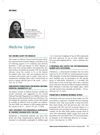
The CDC reports 23 measles cases in unvaccinated US kids, new treatments for eosinophilic esophagitis and osteopenia are approved, poor sleep may cause migraines, atopic dermatitis could lead to asthma, migraines might increase Crohn's disease risk, cancer may raise heart disease risk, gout is linked to prostate issues, Cabo Verde is malaria-free, social factors and vitamin D affect dementia risk, smoking increases hair loss risk, certain drugs might lower thyroid disease risk in arthritis, noma is a neglected disease, and meal timing could impact heart health.
 February 2024 in “Actas Dermo-Sifiliográficas”
 This study involved a Delphi-method consensus from 34 Spanish dermatologists, outlining structured recommendations for managing androgenetic alopecia based on available scientific evidence and expert opinions, aiming to guide clinical practice amid limited treatment approvals and varying effectiveness.
 July 2023 in “IntechOpen eBooks”
 Some types of hair loss can be reversed, others are permanent, and treatments vary by type.
May 2023 in “The Journal of Sexual Medicine” In this study, researchers reported significant improvement in sexual function and related symptoms for four patients using off-label flibanserin, suggesting potential broader applications beyond premenopausal women with hypoactive sexual desire disorder.