
This study explored the molecular mechanisms by which Polygonum multiflorum may treat androgenic alopecia, suggesting it influences cell apoptosis and inflammation through specific pathways, with potential application value pending further testing.
 April 2023 in “Journal of Investigative Dermatology”
 The study identified increased IL-24 expression in keratinocytes and fibroblasts exposed to particulate matter, contributing to skin aging by promoting conditions similar to age-related changes such as increased MMP1 expression and decreased type I collagen production.
 July 2022 in “The journal of investigative dermatology/Journal of investigative dermatology”
 This study suggests that particulate matter can induce inflammation in human outer root sheath cells, potentially affecting hair growth, through oxidative stress-dependent MAPK and JAK-STAT signaling pathways.
 April 2026 in “Frontiers in Physiology”
 This study evaluated nanovesicles derived from Polygonum multiflorum roots, finding that they promote dermal papilla cell proliferation and activate β-catenin signaling, which in turn enhances hair shaft elongation in ex vivo cultured human hair follicles, suggesting their potential use for alopecia treatment.
January 2006 in “OpenCommons at University of Connecticut (University of Connecticut)” This study found that double transgenic Arabidopsis plants overexpressing both AVP1 and AtNHX1 showed improved salt tolerance and enhanced root hair and hypocotyl growth compared to single transgenic lines.
 July 2026 in “International Journal of Molecular Sciences”
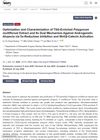
 This study found that TSG-enriched Polygonum multiflorum extract, optimized through microwave-assisted and chromatographic methods, promotes hair regrowth in a mouse model of androgenetic alopecia via 5α-reductase inhibition and Wnt/β-catenin pathway activation, suggesting its potential as a natural treatment.
June 2026 in “JAAD International” Long-term exposure to air pollution increases the risk of hair loss.
 May 2026 in “Frontiers in Endocrinology”
 In a mouse model, this study found that exposure to PM2.5 leads to significant postpartum hair loss, apparent via morphological changes and elevated markers of inflammation, apoptosis, and fibrosis, potentially exacerbated by changes in hormone receptors and stem cell populations.
This review found that exposure to pollutants like PM, NOx, and PAHs is linked to various skin and hair disorders, indicating a need for cosmetics with natural adsorbents to reduce pollutant effects, achieving 30-55% removal efficiency.
August 2026 in “International Journal For Multidisciplinary Research” This case report suggests that a comprehensive phase-wise Unani therapeutic approach may improve multiple clinical, hormonal, and metabolic outcomes in a young woman with Polyendocrine Metabolic Ovarian Syndrome.
February 2026 in “Journal of Surfactants and Detergents” In this study, researchers synthesized new surfactants with hair repair properties, finding that they effectively restored the hydrophobic barrier of damaged hair and improved combing ease compared to untreated hair, highlighting their potential in haircare products.
January 2026 in “Medicina” This study conducted among medical students in Saudi Arabia found a 37.2% prevalence of premature hair graying and associated it with smoking, a keto diet, hair coloring, and family history, while suggesting that lifestyle changes may reduce its impact.
January 2026 in “Current Issues in Molecular Biology” This study found that transfecting alpaca melanocytes with miR-5110 altered gene expression related to pigmentation, specifically identifying pathways like MAPK and Wnt as involved in melanogenesis regulation, providing insights into miR-5110's role in pigmentation processes.
January 2026 in “Dermatologic Therapy” This study found that Pinus massoniana needles extract may promote hair regrowth in a mouse model of androgenetic alopecia, potentially by reducing oxidative stress and affecting immune, metabolic, and apoptosis-related pathways.
January 2026 in “Methods in molecular biology” This paper discusses methods for distinguishing viable microbial communities in hair follicle dysbiosis studies and reports no new clinical results, suggesting potential improvements in sample analysis.
November 2025 in “Pharmacological Research” In this study, researchers found that exosome-like nanoparticles isolated from Polygoni Multiflori Radix can promote hair growth in mice by modulating androgen signaling and gene expression, outperforming Minoxidil in testosterone-induced conditions.
 November 2025 in “Eurasian journal of applied biotechnology”
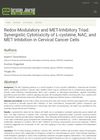
 In this study, combining L-cysteine and N-acetylcysteine with MET inhibition enhanced cytotoxicity in cancer cell lines by sensitizing them to MET inhibition through redox stabilization, suggesting a promising approach for improving MET-targeted cancer therapies without additional oxidative or chemotherapeutic stress.
In this study, FemmeBalance significantly alleviated several PMS symptoms, including physical discomfort and mood disturbance, while also enhancing skin health and social functioning, suggesting it might serve as a viable alternative to traditional PMS treatments.
 October 2024 in “Journal of Cutaneous Immunology and Allergy”
 This case report describes a successful treatment of sarcoidal foreign body reactions caused by permanent makeup ink with local steroid injections, while also identifying the involvement of M2 macrophages in the reaction.
 March 2024 in “CRC Press eBooks”
 This chapter reviews hormonal imbalances and related disorders, discussing nutraceuticals—such as cod liver oil, green tea, and Omega-3s—that may alleviate symptoms and improve hormonal fluxes in lieu of traditional synthetic treatments that have potential side effects.
 July 2023 in “bioRxiv (Cold Spring Harbor Laboratory)”
 This study reports that a low concentration of chitosan induces callose deposition and slows root hair growth in Arabidopsis, suggesting an evolutionary conservation of this response to mild biotic stress across plant types.
July 2021 in “Belarusian State Pedagogical University repository (Belarusian State Pedagogical University)” In this study, PMC was identified as a promising plant for nourishing hair, with effective hair growth promotion and 5α-reductase inhibition observed in both laboratory and animal studies for androgenetic alopecia treatment.
 April 2020 in “Rheumatology”
 This study found significant but small variations in glucocorticoid adherence among patients with giant cell arteritis, mainly due to medical advice rather than patient factors.
 September 2019 in “Journal of Investigative Dermatology”
 This study found that a combination of botanical extracts from Pisum sativum and Salvia hispanica reduced oxidative damage, re-balanced scalp oiliness, and improved scalp hydration and barrier function after pollution exposure.
 April 2018 in “The journal of investigative dermatology/Journal of investigative dermatology”
 This study found that treating human skin explants with TPA increased the number of certain melanocyte phenotypes in the interfollicular epidermis, suggesting that this ex vivo model can effectively replicate human skin's pharmacologic responses for studying potential treatments.
This study found that Polygonum multiflorum radix ethanol extract may promote melanin synthesis, potentially helping to turn gray hair back to black by enhancing antioxidant activity and increasing tyrosinase expression.
December 2010 in “대한미용학회지” This study found that Polygoni multiflori Radix water extracts stimulated hair growth and hair follicle development in mice, suggesting it may be safer than minoxidil.
January 2010 in “대한미용학회지” This study observed that Polygoni mulitiflori Radix water extracts accelerated hair regrowth in mice by enhancing enzyme activities and increasing IGF-1 gene expression related to hair growth.
April 2009 in “The FASEB Journal” This study demonstrated that a keratin gel promotes nerve regeneration across critical defects in rabbit models, showing improved nerve conduction and muscle action potential compared to control treatments.
 May 2006 in “Frontiers in Neuroendocrinology”
 This study found that patients with androgenic alopecia had altered neuroactive steroid levels and depression symptoms after stopping finasteride treatment, suggesting lingering neuropsychiatric effects.