 January 2025 in “International Journal of Pharmacognosy and Pharmaceutical Research”
 This study found that hydroalcoholic extracts of Bacopa monnieri demonstrated significant antimitotic activity in an Allium cepa model, suggesting potential comparable effects to the standard drug methotrexate.
 September 2024 in “Ahmar Metastasis Health Journal”
 In this study on Wistar rats, ginger and celery extracts at the tested dosage did not significantly affect hair growth onset, duration, or regrowth, nor did they cause significant inflammation, despite the presence of bioactive phytochemicals in the extracts.
 June 2024 in “Journal of medical pharmaceutical and allied sciences”
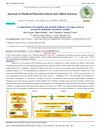
 In this study, researchers observed that Pectin from Nagpuri oranges significantly increased colony counts of probiotic bacteria like L. acidophilus and L. plantarum both in vitro and in vivo, suggesting potential use as a prebiotic or synbiotic in nutraceutical formulations.
 January 2024 in “Journal of Pharmacognosy and Phytochemistry”
 This study demonstrated that aqueous and hydroethanolic extracts of Catharanthus roseus and Schwenckia americana showed no acute oral toxicity at the tested dose in rats, although histological changes in kidney and liver tissues were observed.
 April 2022 in “Journal of applied science and environmental management”
 This study found that Aframomum melegueta seed extract improved wound healing in albino rats, with treated groups showing smaller wound sizes and formation of new tissues compared to controls.
January 2016 in “Journal of chemical and pharmaceutical research” The study reported that both ethanol and water extracts of pakis munding roots significantly promoted hair growth in male rabbits, showing better results than the marketed hair growth drug minoxidil.
 23 citations
,
January 2017 in “Journal of Oleo Science”
23 citations
,
January 2017 in “Journal of Oleo Science” This review discusses the use of supercritical carbon dioxide for extracting rice bran oil, noting its advantages over conventional methods for preserving nutrients and antioxidants, but provides no new experimental results.
 11 citations
,
November 2015 in “Journal of Functional Foods”
11 citations
,
November 2015 in “Journal of Functional Foods” This study found that the ethyl acetate fraction of Hibiscus rosa sinensis petals significantly reduced serum glucose and glycated hemoglobin levels in diabetic rats, with effects comparable to metformin.
 1 citations
,
November 2023 in “Indian Journal of Science and Technology”
1 citations
,
November 2023 in “Indian Journal of Science and Technology” In this study, researchers identified several active metabolites in Eclipta alba, demonstrated strong interaction with Alzheimer's disease proteins, and found that 28 days of treatment improved memory without significant toxicity in rats, suggesting potential pathways for treating Alzheimer's.
 March 2026 in “International Ayurvedic Medical Journal”
 This study reported that Gunja (Abrus precatorius Linn.) demonstrates various pharmacological activities, including antifertility, hair growth promotion, immunomodulatory effects, and anticancer properties, supported by its phytochemical composition and analytical advancements, suggesting its potential in Ayurvedic therapeutic applications and future drug development.
25 citations
,
January 2013 in “Colloids and surfaces. B, Biointerfaces” This study found that melanin granules in black human hair are key dyeing regions for oxidative hair coloring, as confirmed by nanoscale mass spectrometry analysis detecting deuterium ions.
 22 citations
,
November 2016 in “Indian Journal of Pharmaceutical Education and Research”
22 citations
,
November 2016 in “Indian Journal of Pharmaceutical Education and Research” This study found that ethanolic leaves extract of Hibiscus rosa-sinensis L. exhibited strong antioxidant activity and enhanced wound healing properties in mice, showing reasonable safety in toxicological evaluations without severe alterations.
 17 citations
,
April 2021 in “Clinical Phytoscience”
17 citations
,
April 2021 in “Clinical Phytoscience” This review discusses the ethnobotanical uses and phytochemistry of Plumbago zeylanica L., highlighting its potential pharmacological benefits for conditions such as diabetes and cardiovascular disorders, but reports no new experimental findings.
 13 citations
,
December 2017 in “BMC Complementary and Alternative Medicine”
13 citations
,
December 2017 in “BMC Complementary and Alternative Medicine” In this study, the herbal complex of Houttuynia cordata, Perilla frutescens var. acuta, and green tea promoted hair growth in C57BL/6 mice, enhancing regrowth and follicle development compared to controls.
 13 citations
,
October 2012 in “Free Radicals and Antioxidants”
13 citations
,
October 2012 in “Free Radicals and Antioxidants” This study found that red-flowered cultivars of Hibiscus rosa-sinensis displayed the highest antioxidant activity, phenolic, and flavonoid content compared to other colored cultivars.
 12 citations
,
December 2022 in “Annals of Phytomedicine An International Journal”
12 citations
,
December 2022 in “Annals of Phytomedicine An International Journal” This review discusses the historical and potential medical uses of Cyperus rotundus rhizomes, but reports no new clinical results and emphasizes the need for further study on its pharmacognostic properties.
 6 citations
,
May 2022 in “Research and reports in urology”
6 citations
,
May 2022 in “Research and reports in urology” This study found that Caesalpinia bonduc seed extracts significantly reduced prostate weight and improved prostate tissue morphology in Wistar rats with testosterone-induced benign prostatic hyperplasia.
 1 citations
,
January 2020 in “International journal of research in pharmacy and chemistry”
1 citations
,
January 2020 in “International journal of research in pharmacy and chemistry” This review provides an overview of the ethnomedicinal uses, chemical composition, and pharmacological profile of Eclipta alba Hassk and presents no new clinical findings.
 March 2026 in “Journal of Hunan University Natural Sciences”
 This study evaluated the antimicrobial activity of Albizia saponaria stem bark against microorganisms causing dandruff and fungal alopecia. It found that the hexane fraction exhibited potent antifungal effects comparable to ketoconazole, highlighting its potential as a natural therapeutic for dandruff.
 December 2025 in “INSTITUTE OF MOLECULAR BIOLOGY & BIOTECHNOLOGIES TRANSACTIONS”
 This study highlights the significant ethnomedicinal potential of Asteraceae species used in traditional medicine, particularly for treating inflammatory and skin-related diseases.

In this study, researchers analyzed the waters of Ladakh's hotsprings, identifying 27 bioactive compounds with potential health benefits, but emphasize that further clinical trials are needed to confirm their therapeutic efficacy and safety.
 May 2023 in “International journal of pharmaceutical sciences and medicine”
 This study found that Helianthus annuus oil promoted hair growth in a testosterone-induced alopecia mouse model, with higher hair density observed compared to untreated mice, though it was less effective than the standard minoxidil treatment.
 January 2023 in “Journal for ReAttach Therapy and Developmental Diversities”
 In this study, the n-hexane fraction of Carthamus oxyacantha methanolic extract exhibited significant 5α-reductase inhibitory activity in vitro, suggesting potential therapeutic use for benign prostatic hyperplasia through DHT inhibition.
 January 2023 in “Indian Journal of Unani Medicine”
 This review discusses the chemical composition, pharmacological properties, and ethnomedical applications of Myrtus communis Linn and reports no new clinical results.
 August 2022 in “International journal of research in pharmacy and chemistry”
 This review summarizes the chemical composition and pharmacological properties of Teak (Tectona grandis) but presents no new research findings, emphasizing its use in traditional medicine and therapeutic potentials.
 1 citations
,
January 2017 in “Organic chemistry”
1 citations
,
January 2017 in “Organic chemistry” This article reviews the traditional uses and documented properties of Tridax procumbens in medicine but reports no original research findings, emphasizing its potential therapeutic applications.
 46 citations
,
August 2019 in “Journal of Ethnopharmacology”
46 citations
,
August 2019 in “Journal of Ethnopharmacology” This review compiles current information about Eclipta prostrata, traditional uses, and its promising pharmacological properties, like hepatoprotective and anti-inflammatory effects, but emphasizes that more research is needed to fully understand its mechanisms and ensure safety for clinical application.
 24 citations
,
December 2014 in “International Journal of Molecular Medicine”
24 citations
,
December 2014 in “International Journal of Molecular Medicine” In this study, researchers found that petroleum ether extract of Eclipta alba significantly stimulated follicular keratinocyte proliferation and reduced TGF-β1 expression in nude mice, suggesting potential use for certain types of alopecia.
 13 citations
,
May 2021 in “Plants”
13 citations
,
May 2021 in “Plants” This study found that the n-hexane fraction from Leea indica leaves significantly increased hair growth in mice and showed potential as a natural treatment for alopecia.
 10 citations
,
January 2023 in “Molecular and Cellular Biochemistry”
10 citations
,
January 2023 in “Molecular and Cellular Biochemistry” This review discusses the potential therapeutic role of the edible plant Solanum nigrum for managing COVID-19 symptoms and post-COVID complications based on in silico docking and pharmacological studies, but reports no new clinical results.