56 citations
,
November 2003 in “Journal of Investigative Dermatology” This study identified altered expression of MMP-19 in the skin's epidermal layers during diseases like psoriasis and eczema, implying a role in disease processes.
9 citations
,
June 2017 in “The journal of allergy and clinical immunology/Journal of allergy and clinical immunology/The journal of allergy and clinical immunology” This study suggests that local skin inflammation may enhance the deposition of autoantibodies in the skin, potentially affecting the severity of pemphigus lesions in mice.
 9 citations
,
November 2012 in “Biomolecules & therapeutics”
9 citations
,
November 2012 in “Biomolecules & therapeutics” This study found that diphlorethohydroxycarmalol significantly increased prostaglandin $E_2$ synthesis in HaCaT human keratinocytes by upregulating COX-1 and COX-2 expression, suggesting potential benefits from elevated $PGE_2$ production.
 11 citations
,
May 2015 in “Stem Cells Translational Medicine”
11 citations
,
May 2015 in “Stem Cells Translational Medicine” This study found that megestrol acetate increases the proliferation, migration, and adipogenic differentiation of adipose-derived stem cells through glucocorticoid receptor phosphorylation.
 September 2024 in “Journal of the American Academy of Dermatology”
 This study found that estetrol (E4) significantly prolonged the anagen phase and increased hair matrix keratinocyte proliferation in cultured human hair follicles, suggesting its potential as a treatment for female pattern hair loss.
65 citations
,
April 2007 in “Chemistry and Physics of Lipids” This study found that incorporating steroid hormones into DPPC liposomes altered their physicochemical properties, including size, zeta potential, and phase transition temperatures.
 2 citations
,
January 2020 in “BioMed Research International”
2 citations
,
January 2020 in “BioMed Research International” This study found that Phaeodactylum tricornutum extract enhanced hair follicle cell proliferation, indicated by increased keratin and ERK1/2 signaling, suggesting its potential for hair care applications.
 August 2019 in “Journal of Invertebrate Pathology”
 This study observed that different alkaline buffers had a significant impact on the volume of liquid consumed by fall armyworm larvae, emphasizing the importance of measuring imbibed volumes to reduce dose errors in bioassays.
 22 citations
,
January 2001 in “Chemical & Pharmaceutical Bulletin”
22 citations
,
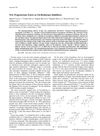
January 2001 in “Chemical & Pharmaceutical Bulletin” This study found that two new progesterone derivatives showed higher antiandrogenic effects and 5α-reductase inhibition than finasteride in hamsters, particularly reducing seminal vesicle weight and flank organ size.
April 2019 in “Journal of Investigative Dermatology” This study developed an Asian human sebocyte cell line from breast skin tissue that can be used for sebaceous gland biology investigations, showing that Y27632 may promote cell growth through EGFR-CRAF-MEK-ERK and AKT pathways.
 15 citations
,
April 2008 in “Steroids”
15 citations
,
April 2008 in “Steroids” This study found that pregnane derivatives with higher lipophilicity, like compound 9d, had stronger androgen receptor binding and greater antiandrogenic effects in rats, correlating relative binding affinity with log P values.
November 2025 in “Journal of Investigative Dermatology” Estetrol may help prevent hair loss and support hair growth in women.
31 citations
,
February 1972 in “Experientia” This study found that the diphosphonate ethan-1-hydroxy-1,1-diphosphonat was the most effective compound in preventing calcifications in rats induced by DHT, compared to other phosphatase inhibitors and polyphosphates tested.
September 2015 in “Photodiagnosis and Photodynamic Therapy” 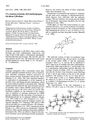 December 1998 in “Acta Crystallographica Section C-crystal Structure Communications”
 This study describes the molecular conformation and intermolecular interactions in the crystalline structure of the compound C24H31BrO4.
 6 citations
,
September 2024 in “BMC Pulmonary Medicine”
6 citations
,
September 2024 in “BMC Pulmonary Medicine” This study demonstrated that CEP may effectively treat pulmonary fibrosis by inhibiting fibroblast activation through regulating macrophage M2 polarization and decreasing fibrosis-associated factors, suggesting a new avenue for future research in this area.
26 citations
,
January 1992 in “Carcinogenesis” This study suggests that chronic treatment with TPA in mouse skin selectively expands a keratinocyte subpopulation hyperinducible for ODC, which may be a key target for neoplastic transformation.
4 citations
,
February 2019 in “BioMed Research International” In this study, ebastine significantly increased the proliferation of human follicle dermal papilla cells and may contribute to hair regrowth by activating the ERK signaling pathway.
52 citations
,
May 2011 in “Journal of Neuroendocrinology” This study found that palmitoylethanolamide may stimulate allopregnanolone synthesis and reduce oxidative stress in astrocytes through PPAR-α activation, suggesting a neuroprotective role.
May 2005 in “Molecular Carcinogenesis” This study found that mrp/plf-mRNA expression in murine skin increases in response to different tumor promoters, suggesting its potential as a short-term biomarker for chemical carcinogenesis.
 6 citations
,
December 2020 in “Biological & Pharmaceutical Bulletin”
6 citations
,
December 2020 in “Biological & Pharmaceutical Bulletin” This study found that certain fatty acids and triterpenoid-glycosides from Eclipta prostrata L. leaves exhibit potent inhibitory effects on the protein tyrosine phosphatase 1B enzyme, suggesting potential anti-diabetic and anti-obesity benefits.
 1 citations
,
May 2017 in “Journal of The American Academy of Dermatology”
1 citations
,
May 2017 in “Journal of The American Academy of Dermatology” The moisturizer with phytol improved skin texture and reduced fine wrinkles better than the moisturizer without it.
103 citations
,
April 2005 in “Experimental dermatology” This study found that PGF2alpha analogues and PGE2 stimulated hair follicle activity in mice, with PGF2alpha analogues also linked to potential side effects like poliosis when used as eye treatments.
 13 citations
,
January 2005 in “Chemical and Pharmaceutical Bulletin”
13 citations
,
January 2005 in “Chemical and Pharmaceutical Bulletin” This study reported that newly synthesized progesterone derivatives significantly reduced prostate weight in testosterone-treated hamsters, with 5alpha-reductase inhibitory activity dependent on the size of the substituent at C-17.
 39 citations
,
June 2017 in “Scientific Reports”
39 citations
,
June 2017 in “Scientific Reports” Different lab conditions and light treatment methods change how human skin cells respond to light therapy.
7 citations
,
December 2020 in “Clinical and Experimental Dermatology” This study found that cepharanthine and its structural analogues may stimulate hair growth by promoting the proliferation of human dermal papilla cells and increasing VEGF expression in vitro.
1 citations
,
May 2017 in “Journal of Clinical Oncology” This study found that applying BPM 31543 twice daily was safe, well-tolerated, and showed signs of reducing chemotherapy-induced alopecia in women receiving taxane-based chemotherapy.
April 2021 in “Journal of Investigative Dermatology” New inhibitors may help treat hair loss by promoting fat cell growth in the skin.
 April 2023 in “Journal of Investigative Dermatology”
 This study found that the oral IRAK4-inhibitors BAY 1834845 and BAY 1830839 reduced skin inflammation and systemic inflammatory responses in healthy volunteers, showing similar pharmacodynamic effects to prednisolone when challenged with topical imiquimod and intravenous LPS.
 11 citations
,
August 2007 in “Bioorganic & Medicinal Chemistry Letters”
11 citations
,
August 2007 in “Bioorganic & Medicinal Chemistry Letters” This study found that among the tested analogs, compound 4e was the most effective in inhibiting wax esters in vivo in the Golden Syrian hamster ear model.