 41 citations
,
February 2001 in “Current pharmaceutical design”
41 citations
,
February 2001 in “Current pharmaceutical design” This review discusses current and potential treatments for alopecia areata, focusing on immunosuppressive and immunomodulatory approaches, but provides no new clinical results.
31 citations
,
October 2002 in “Journal of Investigative Dermatology” IL-10 may worsen alopecia areata instead of helping it.
22 citations
,
December 1991 in “PubMed” 9 citations
,
December 1991 in “Annals of the New York Academy of Sciences” 1 citations
,
November 2025 in “Journal of Cosmetic Dermatology” This source reports on ongoing clinical trials examining the therapeutic potential of topical CBD for skin conditions like acne, dermatitis, and psoriasis, and emphasizes that upcoming trial results will be crucial in evaluating its effectiveness.
 February 2026 in “Nature Communications”
 In this study, researchers created a detailed human skin cell atlas by analyzing over 700,000 cells, finding that disrupted communication among specific immune and stromal cell subsets may play a key role in initiating and sustaining chronic skin inflammation in atopic dermatitis.
 February 2024 in “Bioengineering”
 This study found that a hydrogel formulation containing insulin, chitosan, and hydroxypropyl methyl cellulose improved wound healing in diabetic mice, promoting faster wound closure and organized tissue formation, with in vitro tests showing no cytotoxicity and enhanced cell migration.
This review reports that thermal spring waters, enriched with a diverse hydrobiome, hold promising potential for use in dermocosmetics, as their bioactive compounds could enhance skin protection, repair, and appearance, benefiting conditions like atopic dermatitis and rosacea.
April 2023 in “Journal of The American Academy of Dermatology” This letter discusses findings from an article by Sun et al. showing that neodymium doped yttrium aluminum garnet laser effectively treats prominent facial vasculature in patients with frontal fibrosing alopecia, but highlights concerns about the risk of iatrogenic scarring and suggests caution with treatment frequency.
 January 2023 in “International Journal of Molecular Sciences”
 This review discusses the biologically active compounds in Maxillariinae orchids, highlighting 62 semiochemicals with medical potential, but reports no new clinical findings.
July 2020 in “Stem Cells Translational Medicine” In this study, Caplan et al. found that treatment with human Tregs expanded from umbilical cord blood may modulate immune responses and improve outcomes in a rodent model of traumatic brain injury.
 10 citations
,
January 2019 in “The Nurse Practitioner”
10 citations
,
January 2019 in “The Nurse Practitioner” This article reviews diagnostic and treatment guidelines for polycystic ovary syndrome, discussing how nurse practitioners can enhance patients' quality of life through education; it reports no new clinical results.
 8 citations
,
March 2017 in “Experimental Dermatology”
8 citations
,
March 2017 in “Experimental Dermatology” In this exploratory study, researchers found slightly increased levels of inflammatory markers in scalp skin affected by androgenetic alopecia, suggesting differential gene expression involved in hair cycle and keratin production.
4 citations
,
January 2016 in “Skin research and technology” This study found that oxidative hair dyes altered the color and ultrastructure of Caucasian hair but did not significantly affect the hair's breaking strength.
425 citations
,
June 2020 in “Nature” Scientists created human skin with hair from stem cells, which could help treat hair loss and skin conditions.
47 citations
,
May 1994 in “Experimental Brain Research” This study observed that innervation of the mystacial pad in rats by fine-caliber axons is more extensive and complex than previously described, with distinct differences in labeling patterns depending on the tracer and survival time.
31 citations
,
November 1986 in “Journal of the American Academy of Dermatology” 28 citations
,
November 2017 in “Molecular and cellular endocrinology” This review examines the roles of testosterone, dihydrotestosterone, and estradiol in activating male sexual behavior in laboratory animals and humans, reporting no new clinical results.
 28 citations
,
September 2014 in “Journal of Clinical Oncology”
28 citations
,
September 2014 in “Journal of Clinical Oncology” This study observed that frontal plus moderate vertex baldness at age 45 was associated with a higher risk of aggressive prostate cancer in a large cohort.
26 citations
,
June 2003 in “Obstetrics and gynecology clinics of North America” This review discusses the use of insulin-sensitizing agent metformin for treating PCOS in adolescents, noting potential benefits but emphasizing the need for more rigorous trials due to current study limitations.
25 citations
,
April 1985 in “Journal of Investigative Dermatology” 23 citations
,
August 1989 in “American Journal of Veterinary Research” In this study, high selenium diets from different sources caused weight and hair loss in pigs, with additional hoof and coronary band problems particularly in those fed sodium selenate.
 15 citations
,
September 2021 in “Archives of Plastic Surgery”
15 citations
,
September 2021 in “Archives of Plastic Surgery” This review addresses the preoperative considerations and surgical techniques for facial feminization, focusing on facial areas such as the forehead, orbits, and nose, and outlines literature on patient-reported outcomes after such procedures.
July 2026 in “Journal of Investigative Dermatology” Alopecia totalis/universalis involves more intense immune activity and inflammation than patchy alopecia areata.
 April 2023 in “The journal of investigative dermatology/Journal of investigative dermatology”
 This study found that HPV8-induced actinic keratoses may mechanistically involve Lrig1+ hair follicle keratinocyte stem cells, with the E6 gene promoting downstream STAT3 activity in a mouse model.
11 citations
,
January 1988 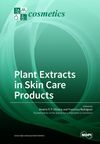 5 citations
,
August 2018
5 citations
,
August 2018 This paper highlights the growing scientific interest in plant extracts for cosmetics due to their potential benefits, including antioxidant, antimicrobial, and protective properties, while emphasizing the need for quality and safety assessment to mitigate possible adverse reactions.
 July 2023 in “Письма в Вавиловский журнал генетики и селекции”
 This review article discusses studies showing that extracellular nucleic acids play a role in tissue regeneration by triggering sterile inflammation through endosomal toll-like receptor activation, but notes that the regulatory transition from inflammation to proliferation phases remains incompletely understood.
 5 citations
,
September 2018 in “Acta histochemica”
5 citations
,
September 2018 in “Acta histochemica” This study observed that proteins in the mTOR signaling pathway are expressed differently in the hair follicles of patients with lichen planopilaris and frontal fibrosing alopecia, suggesting a role in the pathogenesis of these conditions.
21 citations
,
February 2023 in “Pharmaceuticals” This study reports that extracts from pomegranate leaves contain bioactive compounds with antioxidant, antimicrobial, and skin-beneficial properties, suggesting their potential use in nutraceutical and cosmeceutical applications.