 February 2023 in “Han'gug miyong haghoeji/Journal of the Korean society of cosmetology”
 This study observed that using an aroma shampoo containing essential oils for 4 weeks improved hair density and number in the occipital area, unlike a general shampoo used by the control group, which led to decreased hair number and thickness in the parietal area.

This study found that the RADA-GHK and RADA-KGHK peptide hydrogels improved wound healing and cell growth without cytotoxicity, suggesting potential for use in skin regeneration.
 December 2021 in “Consilium Medicum”
 This study found that treating diffuse alopecia associated with prior COVID-19 infection using a combination of Selencin (homeopathic drug) and Selencin Peptide Active (peptide lotion) significantly reduced hair loss and improved hair structure and volume in 34 patients over two months.
October 2021 in “Authorea (Authorea)” In this study, using tyrosine as a cross-linking agent for hair perming showed better initial results compared to commercial products, though efficiency decreased after washing without compromising hair strength.
June 2021 in “SWU eJournals System (Srinakharinwirot University)” The study found that cyproterone acetate could be released over 15 days using coconut oil mixed with certain wax inhibitors, though further safety studies are needed.
 January 2021 in “bioRxiv (Cold Spring Harbor Laboratory)”
 This study identified non-structural proteins in preschool children's scalp hair that suggest potential biomarkers for brain development, immune function, and stress response with heritability and age-related differences.
 January 2021 in “Research Square (Research Square)”
 This study identified distinct metabolic differences between PCOS patients and healthy controls, suggesting potential metabolic markers for PCOS prognosis and diagnosis.
 February 2020 in “Benha Journal of Applied Sciences”
 This study suggests that high nesfatin-1 levels and insulin resistance are linked to an increased risk and severity of acne vulgaris.
This review discusses the potential effectiveness of certain essential oils in promoting hair growth for alopecia and reports no new clinical trials; the authors suggest these oils may increase hair thickness and volume.
This study found that in the San Plácido parish of Ecuador, various medicinal plants were widely used by locals for treating common ailments, with the most utilized species being Matricaria chamomilla L. and Mentha rotundifolia L.
 July 2019 in “bioRxiv (Cold Spring Harbor Laboratory)”
 This study observed that Indian women with PCOS had distinct gut microbiome profiles, linking specific bacterial genera to metabolic and hormonal predictors of the condition.
 July 2019 in “Technology audit and production reserves”
 This research discusses the formulation of probiotic gel shampoos with whey peptides and plant extracts, highlighting their potential effectiveness and market feasibility in Ukraine.
January 2019 in “Frontiers in neurology” This case report observed significant improvement in post-concussion symptoms, such as sleep and energy levels, in a 23-year-old female following a clinical nutrition program.
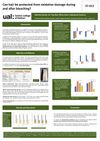 September 2018 in “University of the Arts London Research Online (University of the Arts London)”
 This study assessed three materials—L-arginine, hydrolysed keratin, and cystine-silanol copolymer—ex vivo for their potential to reduce undesirable effects of hair bleaching, such as damage to hair proteins.
 April 2018 in “Journal of Investigative Dermatology”
 The study found that, unlike in actinic keratosis and squamous cell carcinoma, basal cell carcinoma tissues showed higher expression of nidogen1 and Col4 in both basement membranes and surrounding stroma compared to normal skin.
April 2018 in “Journal of Investigative Dermatology” In this study, researchers observed that alopecia areata patients showed higher Th1 and Th2 responses against specific melanogenesis-related protein epitopes, suggesting a role in disease activity and potential targets for diagnostics and therapies.
September 2016 in “한국임상약학회지” In this study, ibuprofen, menthol, and cetirizine were found to potentially prevent or slow down damage to human dermal fibroblast cells caused by intermittent fever in early alopecia.
March 2016 in “RepositóriUM (Universidade do Minho)” Molecular dynamics simulations help understand keratin's properties and predict hair's response to treatments.
December 2014 in “대한미용학회지” In this study, 3% peppermint oil promoted hair regrowth faster than 3% minoxidil in mice and showed strong antibacterial activity against P. ovale.
February 2014 in “아시안뷰티화장품학술지” This review discusses various natural extracts, such as peppermint, rosemary, wild cultivated ginseng, and others, for their potential hair growth promotion effects and calls for further exploration into combinations with fewer side effects.
In this study, researchers found that substance P and calcitonin-gene-related peptide have distinct roles in the regulation of hair growth in mice, suggesting potential therapeutic targets for hair growth manipulation.
December 2012 in “한국피부미용향장학회지” This study suggests that aroma oils categorized by scalp type have similar chemical compositions, potentially enhancing their effectiveness in aromatherapy for scalp issues.
October 2012 in “The American Journal of Gastroenterology” This case report details a 21-year-old female diagnosed with a massive gastric trichobezoar due to trichophagia, successfully treated with single incision laparoscopic surgery and slated for psychiatric follow-up to prevent recurrence.
January 2008 in “한국미용학회지” This study found that in a shaving animal model of mice, increased enzyme activities and gene expression correlated with enhanced hair growth, suggesting they are good biomarkers in the anagen phase.
January 2008 in “대한미용학회지” This study reports that prolonged UV irradiation causes progressive damage to the hair's keratin structure, leading to increased surface roughness, cuticle destruction, and decreased tensile strength in young women’s hair.
December 2007 in “한국미용학회지” This study found that a 3% mixture of peppermint and rosemary oil in jojoba oil promoted hair regrowth in C57BL/6 mice similarly to minoxidil and showed notable antibacterial effects.
June 2004 in “Journal of Investigative Dermatology” Increased pigmentation may protect skin from UVB, new targets for skin disease treatments were identified, sunscreen ingredients don't affect hormones, TNF-α inhibitors may help diabetic wounds, and certain treatments could prevent chemotherapy-induced hair loss.
April 2023 in “International Journal of Dermatology” This article reviews existing studies on the use of oils, including castor, pumpkin, lavender, peppermint, rosemary, and tea tree oils, for treating androgenetic alopecia, highlighting the need for more research in humans, particularly within the Black community.
328 citations
,
November 2020 in “Nature Materials” This study found that D-peptide crosslinked MAP hydrogel accelerated material degradation in vivo but significantly enhanced skin regeneration, suggesting an adaptive immune response can drive regenerative healing even with rapid scaffold breakdown.
 262 citations
,
May 2017 in “Nanomedicine”
262 citations
,
May 2017 in “Nanomedicine” This review examines recent advancements in electrospun nanofibers for wound healing applications, but reports no new experimental results, highlighting their potential in sutures, dressings, and skin regeneration.