 June 2025 in “International Journal of Nephrology and Renovascular Disease”
 This study suggests that PLA2R1 overexpression in PMN affects the podocyte cycle and may involve an additional immune response, which could provide new directions for PMN treatment development.
 May 2025 in “International Journal of Clinical Obstetrics and Gynaecology”
 This article reviewed literature from 2013-2023 and found that while varied treatment options for PCOS exist, managing the condition holistically, including lifestyle changes and gastric bypass surgery, can significantly improve symptoms and quality of life without worsening side effects.
 April 2025 in “Cellular and Molecular Biology”
 This study found that human dermal stem/progenitor cells demonstrated greater proliferation and differentiation potential than hair follicle dermal papilla cells, which showed increased expression of hair regeneration markers.
 March 2025 in “International Journal of Pharmaceutical Research and Applications”
 This study highlights recent biological and technological strategies in anti-aging research aimed at delaying aging and related diseases, improving skin healing, and potentially restoring hair growth.
 February 2025 in “Journal of Pharmaceutical and Health Research”
 This study examined the cytotoxic effects of arumanis mango rind extract and its fractions on T47D breast cancer cells, with results showing that ethanol extract and ethyl acetate fraction exhibited significant potential in reducing cell viability, similar to the effects of doxorubicin.
 January 2025 in “Clinical and Medical Engineering Live”
 This study discusses the potential health risks associated with occupational radiation exposure, including genetic mutations, cancers, and other diseases, and outlines strategies for prevention and occupational health safety.
In this review, researchers evaluated 111 studies on the biological activities and phytochemical components of the plant Tridax procumbens, emphasizing its ethnobotanical potential and the need for more research to understand its therapeutic benefits, especially in its native tropical regions.
 January 2025 in “International Journal of Clinical and Diagnostic Pathology”
 This study found that skin adnexal tumors are mostly benign, with 98.6% of cases being non-cancerous, and highlighted histopathological examination as essential for accurate diagnosis and management, given their frequent clinical misdiagnosis.
 January 2025 in “International Journal of Veterinary Science”
 In this animal study, hibiscus leaf simplicia ointment was found to protect red blood cell levels and promote better hair growth in UV-exposed rats, though it did not maintain normal skin histology; the ointment showed no significant acute dermal toxicity.
 January 2025 in “Fitoterapia”
 This study reviewed literature on signaling pathways and concluded that these pathways are crucial pharmacological targets, influencing the mechanisms of drugs used in neurological, cardiovascular, and oncological treatments to correct signal transmission disturbances.
 January 2025 in “Journal of Medical Biochemistry”
 This review explores the roles of superoxide dismutases in cellular processes and cancer, highlighting the potential of SOD mimetics in enhancing cancer treatment strategies, but it reports no new clinical findings.
 December 2024 in “Ankara Universitesi Eczacilik Fakultesi Dergisi”
 This review highlights Nigella sativa L. (black cumin) as a plant with numerous health benefits, noting its rich nutritional profile and reported therapeutic effects such as antioxidant and anti-inflammatory activities, identified through various in vitro, in vivo, and clinical research studies.
 November 2024 in “Journal of Translational Internal Medicine”
 This study found that umbilical cord mesenchymal stem cell-derived exosomes improved hair growth in mice with androgenetic alopecia by promoting hair follicle stem cell stemness through the RAS/ERK pathway, suggesting a potential new treatment strategy for this condition.
 October 2024 in “Media Farmasi”
 In this in vitro study, researchers found that a combination of soursop leaf extract and doxorubicin moderately enhanced the anti-cancer effect against MCF-7 breast cancer cells, but they did not report on reducing doxorubicin's side effects.
 October 2024 in “Irish Journal of Medical Science (1971 -)”
 In this study, TENS of the T6 dermatome over a longer term was explored for its effects on weight, blood pressure, heart rate, and appetite-regulating hormones in obese subjects with moderate obstructive sleep apnea; however, results are not reported in the abstract.
 October 2024 in “Irish Journal of Medical Science (1971 -)”
 Continuous glucose monitoring and GLP-1 receptor agonists improve diabetes management, but personalized care and education are crucial.
 October 2024 in “Frontiers in Oncology”
 This review examines the potential of K18 as a diagnostic and prognostic marker in epithelial-derived tumors, highlighting its specific expression in tumor tissues and interaction with proteins involved in tumor progression, without reporting new clinical findings.
 September 2024 in “Oncology Advances”
 This review discusses the potential anticancer effects of medicinal plants, highlighting their diverse phytoconstituents and mechanisms, and considers both their future prospects and limitations in cancer treatment.

This study reports that in a rat model of myocardial infarction, Zn-Cu ion sequential therapy improved cardiac function and cardiomyocyte metabolic activity by precisely regulating ion concentrations and maintaining elevated levels of the Per2 protein, important for cellular repair.

This study identified 193 plasma proteins associated with prostate cancer risk, validating 20 high-risk proteins including KLK3, and pinpointed potential drug targets like HSPB1, RRM2B, and PSCA through genetic analysis, offering new insights for biomarkers and treatments.
This study suggests that using cell-free dexamethasone-primed stem cell media may offer a promising alternative treatment for systemic lupus erythematosus, showing immunomodulatory benefits and therapeutic efficacy in reducing various complications.
 June 2024 in “Journal of medical pharmaceutical and allied sciences”
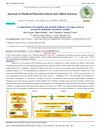
 In this study, researchers observed that Pectin from Nagpuri oranges significantly increased colony counts of probiotic bacteria like L. acidophilus and L. plantarum both in vitro and in vivo, suggesting potential use as a prebiotic or synbiotic in nutraceutical formulations.
 June 2024 in “Research Square (Research Square)”
 This study found that among young women in West Bengal, India, co-occurring PCOS and related conditions like estrogen resistance and leptin receptor insufficiency are common, with notable genetic variations identified, including impairments in leptin signaling and insulin resistance.
 May 2024 in “International journal of nanomedicine”
 This review highlights the potential of extracellular vesicles derived from medicinal plants as therapeutics for diseases such as cancer and inflammation, suggesting they may enhance the clinical use of herbal preparations, despite the challenges posed by extract complexity and individual variability.
 April 2024 in “Dermatovenerologiâ, kosmetologiâ”
 This material provides comprehensive information about actinic keratosis, highlighting its potential outcomes, risk factors, clinical features, diagnosis, and treatment considerations for medical specialists.
 April 2024 in “Dermatovenerologiâ, kosmetologiâ”
 This study provides a comprehensive overview of actinic keratosis, highlighting its potential to progress to squamous cell carcinoma and noting that routine treatment poses a significant burden on healthcare providers.
 April 2024 in “Frontiers in pharmacology”
 This review of Cynoglossum amabile, a traditional Chinese and ethnomedicine, provides insights into its uses, chemical components, biological activities, and toxicity. Highlighting its market potential, the study underscores the importance of indigenous knowledge in drug development despite noted hepatotoxic risk linked to its pyrrolizidine alkaloids.
 March 2024 in “bioRxiv (Cold Spring Harbor Laboratory)”
 In this study, early prenatal treatment with Minoxidil, a lysyl hydroxylase inhibitor, partly improved cardiac outflow tract septation in Tbx1 mutant mice, suggesting that inhibiting collagen cross-linking may mitigate some effects of Tbx1 mutation associated with DiGeorge syndrome.
 March 2024 in “GSC Advanced Research and Reviews”
 This study observed that exposure to different wavelengths of light affects opsin and clock gene responses in skin cells, suggesting potential therapeutic approaches using photobiomodulation for dermatological conditions like psoriasis and wound healing.
 March 2024 in “Frontiers in genetics”
 This review discusses the insights gained from single-cell RNA sequencing of fibroblasts in various cancers and wound healing, highlighting differences in gene expression and novel interactions.