 January 2019 in “Springer eBooks”
 The abstract reports that non-cultured cellular grafting has become a prevalent and cost-effective method for treating stable vitiligo, with safety and effectiveness confirmed by two decades of studies. It critiques strict legislative oversight, suggesting it might unnecessarily increase costs and limit patient access.

This book reviews evidence-based medicine practices in obstetrics and gynecology but reports no new clinical findings.
 November 2013 in “John Wiley & Sons, Ltd eBooks”
 This chapter reviews various mucocutaneous manifestations of endocrine disorders and provides illustrative images of these clinical features, but reports no new research findings.
In this thesis, researchers explored ways to enhance the management of myotonic dystrophy type 1 by investigating the genetic inheritance patterns, especially small-sized repeat expansions, and assessing cardiac care, energy expenditure, and body composition in affected individuals.
 June 2019 in “Brain Imaging and Behavior”
 In this study, androgenic alopecia was identified as an independent predictor of abnormal white matter hyperintensities in the brain, suggesting it may serve as a surrogate marker for cerebral small vessel disease linked to arteriolosclerosis.
 48 citations
,
February 2025 in “Nano-Micro Letters”
48 citations
,
February 2025 in “Nano-Micro Letters” This review summarizes the application of microneedles in treating various skin diseases and highlights challenges like low drug loading, noting no new clinical results are reported.
 11 citations
,
March 2020 in “American Journal of Medical Genetics Part A”
11 citations
,
March 2020 in “American Journal of Medical Genetics Part A” This study identified a novel homozygous EDNRA variant linked to Oro-Oto-Cardiac Syndrome and showed that EDNRA signaling is essential for normal craniofacial and cardiovascular development.
 1 citations
,
October 2024 in “Journal of Clinical Immunology”
1 citations
,
October 2024 in “Journal of Clinical Immunology” This study observed that adult Netherton syndrome patients showed a range of normal to diminished immune responses to polysaccharide, conjugate, and mRNA-based vaccines, with responses generally overlapping those of healthy controls, suggesting no consistent B- or T-cell immunodeficiency in this population.
 June 2025 in “Journal of General-Procedural Dermatology & Venereology Indonesia”
 In this study, a 14-year-old boy with nevus sebaceous on his scalp underwent a three-stage serial excision, resulting in complete lesion removal with minimal scarring and no recurrence after six months.
1 citations
,
April 2024 in “Animal Genetics” This study described an Appenzeller Mountain Dog with clinical signs of an NSDHL defect, discovering a large heterozygous de novo deletion spanning the entire NSDHL gene through whole genome sequencing.
December 2024 in “European journal of medical research” This study suggests that the NCSTN knockout mouse could serve as an HS animal model, with tamoxifen potentially used for gene deletion in mice.
 January 2024 in “JAAD case reports”
 Netherton syndrome can cause severe and chronic vulvovaginal symptoms that may improve with continuous oral contraceptives.
This case study reports that early genetic testing and targeted therapies, such as secukinumab, can significantly improve skin barrier function in patients with Netherton syndrome, despite persistent symptoms.
July 2024 in “Journal of Investigative Dermatology” This study found that systemic treatment with DS77754007, a KLK5 inhibitor, improved skin symptoms in a mouse model of Netherton Syndrome more effectively than certain antibody treatments, suggesting KLK5 inhibition as a promising therapeutic approach for this condition.
 February 2010 in “Journal of The American Academy of Dermatology”
 NB-002 is a promising new topical treatment for fungal nail infections, showing better results than a non-medicated option.
January 2025 in “Indian Journal of Dermatopathology and Diagnostic Dermatology” In this histopathology study of nevus sebaceus, researchers observed distinct epidermal, sebaceous, follicular, and apocrine changes, including sebaceous hyperplasia and basaloid adnexal proliferation, which help differentiate it from similar conditions like basal cell carcinoma and trichoblastoma.
 3 citations
,
January 2020 in “Acta Dermato Venereologica”
3 citations
,
January 2020 in “Acta Dermato Venereologica” This clinical case report presents photographs of a patient with Netherton syndrome, highlighting severe inflammatory vegetative lesions on the pubic area and umbilicus.
March 2022 in “Clinical Cosmetic and Investigational Dermatology” This study identified altered mRNA and lncRNA profiles in NS scalp tissues, highlighting CDKN2AIP as a downregulated gene involved in a ceRNA network.
 April 2026 in “Scientific Reports”
 In this study, the proposed MSF-VMDNet, combining dual encoder networks with a multi-frequency domain mechanism, significantly outperformed existing methods in segmenting skin cancer tissues from histological slide images, achieving high accuracy with an MIoU of 95.37% and a Dice coefficient of 95.11%.
 8 citations
,
May 2022 in “International journal of nanomedicine”
8 citations
,
May 2022 in “International journal of nanomedicine” This study developed a fully natural resveratrol nanoparticle system using lecithin, showing potent anti-cancer activity in vitro and increased tumoral uptake in vivo on breast cancer models.
 January 2025 in “Clinical Dermatology Review”
 In this case report, a 16-year-old female with Netherton syndrome, a rare genetic disorder, exhibited symptoms such as skin issues, hair abnormalities, and elevated serum IgE levels. The diagnosis was supported by skin biopsy, and treatment included topical therapies, NB-UVB, and infliximab.
November 2019 in “Harper's Textbook of Pediatric Dermatology” This article reviews Netherton syndrome, focusing on its genetic basis, clinical presentation, and treatment options, and reports no clinical results; the authors mention potential benefits of targeted therapies and gene therapy.
September 2016 in “Journal of Dermatological Science” Polarizing light microscopy can easily and reliably diagnose congenital keratinizing disorders like Netherton syndrome.
 19 citations
,
September 2020 in “Pharmaceutics”
19 citations
,
September 2020 in “Pharmaceutics” This study investigated a new formula called SV-loaded nanospanlastics for topical application to treat androgenic alopecia. It showed similar effectiveness to minoxidil lotion but with fewer adverse effects when used to enhance dermal delivery and efficacy of sodium valproate.
July 2024 in “Journal of Investigative Dermatology” In these two clinical trials, DS-2325a, a KLK5 inhibitor, was found to be generally safe and well tolerated in healthy volunteers, with mild and non-serious adverse events, suggesting its potential for further development as a treatment for Netherton Syndrome.
 January 2022 in “Elsevier eBooks”
 This study found that sodium valproate nanospanlastics could be an effective and safer method for treating androgenic alopecia, with results comparable to minoxidil but fewer side effects.
 6 citations
,
April 2013 in “International Journal of Dermatology”
6 citations
,
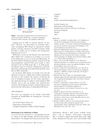
April 2013 in “International Journal of Dermatology” This correspondence describes the dermoscopic features of an osteonevus of Nanta but does not report new clinical findings.
44 citations
,
January 1999 in “Dermatology” This article reviews different perspectives on nevus comedonicus, discussing its classification and potential associations with systemic findings, but it reports no new results.
52 citations
,
September 2022 in “Viruses” This review discusses the functions of SARS-CoV-2 non-structural proteins in facilitating immune evasion and highlights possible therapeutic strategies, reporting no new clinical results.
 August 2025 in “Stem Cell Reviews and Reports”
 This study demonstrated that adipose derived stem cells nanovesicles enhanced hair growth and reduced sebum secretion in androgenetic alopecia, showing effects comparable to minoxidil in laboratory and mouse models.