 November 2023 in “International journal of Ayurveda and pharma research”
 This study prepared and evaluated a polyherbal hair oil using plant-based ingredients, finding that it met standard parameters and effectively addressed hair problems such as growth and dandruff, with FDA approval for clinical use.
 November 2023 in “Cermin Dunia Kedokteran”
 In this case report, a girl with tinea capitis experienced psychological disorders, but oral and topical treatment with griseovulfin led to both clinical and psychological improvement, as assessed by CDQLI and DMHC methods.
 October 2023 in “Urologie in der Praxis”
 This article reviews the diagnostics and medical transition options for adults with gender incongruence, reports no new clinical results, and highlights the importance of primary care knowledge in managing these patients.
This case report highlights the diagnosis of Parry Romberg syndrome in a 52-year-old man within a primary care setting, emphasizing the importance of awareness and team discussion among family physicians for rare conditions.
 October 2023 in “International journal of biology, pharmacy and allied sciences”
 This study reviews previous research on Lawsonia inermis Linn., commonly known as henna, to evaluate its potential for enhancing wound healing, given concerns about the adverse effects and resistance associated with synthetic antibiotics and antimicrobials.

Bee pollen, green tea, essential oils, and various plant extracts improve skin and hair health.
 September 2023 in “Jurnal Ilmu Kesehatan Hewan”
 This case report describes a Balinese breed dog diagnosed with demodecosis and malasseziosis, which improved after 30 days of treatment including amitraz, ketoconazole, and supportive therapies. The findings suggest that consistent treatment and environmental management can aid in recovery from these skin conditions in dogs.
 September 2023 in “International journal of biomedicine”
 This review evaluated current evidence on minoxidil's potential to treat scars and reported reduced collagen accumulation and fibrosis in various studies, suggesting its antifibrotic effects may benefit wound healing; however, direct studies on acne scars are yet to be conducted.
 August 2023 in “Jurnal Pharmacia Mandala Waluya”
 This study examined the effects of purified Albizia saponaria bark extract on hair growth in rabbits, finding that a 20% concentration of the extract increased hair weight significantly, though it was less effective than minoxidil.
 August 2023 in “Sabuncuoglu Serefeddin Health Sciences”
 This study investigated genetic markers for alopecia areata in the Turkish population, finding that the CT60 polymorphism might be linked to increased susceptibility, while no such association was found for the +49AG polymorphism; further studies are needed to confirm these findings.
 July 2023 in “Jurnal Ilmu Kesehatan Hewan”
 In this case report, a 2-month-old dog with scabies showed improvement in skin condition and reduced mite presence 24 days after treatment with simparica, sulfur-based soap, and various topical and oral therapies.
 June 2023 in “Deleted Journal”
 This study found that all healthy cats tested were carriers of *Microsporum canis*, and 86.66% of dogs carried this fungus, with further positive cultures for other dermatophytes and yeasts suggesting these animals may contribute to environmental fungal spread.
 May 2023 in “Jurnal Sains Insani”
 This study focused on Shaykh Abbas Kuta Karang, a prominent 19th-century Malay scholar, and his influential medical manuscript, Al-Rahmah fi al-Tib wa al-Hikmah, which documents traditional Malay medical knowledge spanning human anatomy, dietary principles, and treatments for various illnesses.
 May 2023 in “Buletin Veteriner Udayana”
 This study found that dogs with dermatitis exhibited specific histological skin changes, such as hyperkeratosis and inflammatory cell infiltration, and showed increased leukocyte counts compared to non-dermatitis dogs.
 April 2023 in “Medizinische Genetik”
 This review summarizes recent genetic findings in alopecia areata research and their implications for developing new treatments, without reporting new clinical results.
 January 2023 in “Brazilian Journals Editora eBooks”
 Girls with Autism Spectrum Disorder may show different symptoms than boys, leading to missed or delayed diagnoses.
 January 2023 in “Brazilian Journals Editora eBooks”
 People with cleft lip and palate often have respiratory problems.
 January 2023 in “Brazilian Journals Editora eBooks”
 Passiflora incarnata may help with anxiety and sleep issues but has side effects; teleconsultation for heart failure can improve quality of life; increased screen time for children during the pandemic led to more clinical complaints; older and severely affected COVID-19 patients are more likely to have long-term symptoms.
 January 2023 in “Brazilian Journals Editora eBooks”
 Nursing staff's mental health was affected during the COVID-19 pandemic.
 January 2023 in “Brazilian Journals Editora eBooks”
 The document concludes that Passiflora incarnata could help with anxiety, telemedicine might improve heart failure care, screen time for kids has increased, pregnant teens in Brazil are mostly okay with their body image, rare tuberculosis infection can occur after knee surgery, older and severely ill people are more likely to have long COVID-19 symptoms, HPLC might diagnose more diabetes cases, and psychiatrists should be involved in pain management.
 January 2023 in “Brazilian Journals Editora eBooks”
 Pharmacists play a key role in managing the use of anxiety medications and ensuring patients use them correctly.
 January 2023 in “Brazilian Journals Editora eBooks”
 Psychiatrists are crucial in pain management teams because they help treat severe pain and related mental health issues.
 January 2023 in “Brazilian Journals Editora eBooks”
 The document concludes that Passiflora incarnata may help with anxiety, healthcare workers need mental support, common bacteria cause hospital UTIs, telehealth for heart failure needs research, kids' screen time has increased, pregnant teens are mostly okay with their body image, diagnosing post-surgery tuberculosis is hard, older and severely ill people are more likely to have long COVID symptoms, and psychiatrists should be part of pain management teams.
 January 2023 in “Brazilian Journals Editora eBooks”
 Surgery to fix a broken upper arm bone can sometimes lead to nerve damage.
 January 2023 in “Brazilian Journals Editora eBooks”
 Passiflora incarnata may help with anxiety but has risks and drug interactions.
There's a genetic link between Fragile X Syndrome and Autism Spectrum Disorder.
6.7% of urine cultures showed hospital-acquired urinary tract infections.
Children used screens more during COVID-19, causing various health complaints.
Autism Spectrum Disorder is often underdiagnosed in females.
Dissociative disorders in childhood sexual abuse victims are more common in males.
Most pregnant teenagers are not dissatisfied with their body image but worry about weight.
Diagnosing tuberculosis after knee surgery is challenging due to non-specific symptoms.
Post-COVID-19 syndrome is more common in older, severely affected patients.
Psychiatrists should be part of pain management teams due to the psychological aspects of pain.
 January 2023 in “Brazilian Journals Editora eBooks”
 HPLC may detect prediabetes and diabetes earlier than Immunoturbidimetry because it shows higher A1c levels.
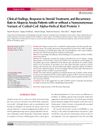 January 2023 in “Annals of Dermatology”
 This study found that alopecia areata patients with a CCHCR1 gene variant had higher recurrence rates and structural abnormalities in hair compared to those without the variant.

This study concludes that one year after COVID-19 infection, patients in Northeast Brazil showed improvements in quality of life, although some symptoms such as anxiety and memory loss persisted.
 December 2022 in “theses.fr (ABES)”
 This study found that microplastics on the Lebanese Mediterranean coast transport various organic and inorganic pollutants, posing threats to marine organisms and potentially human health.
 September 2022 in “Ciencia Unemi”
 This review found that while many medicinal plants show potential antiviral and other therapeutic effects against COVID-19 based on prior studies, more rigorous clinical trials are needed to confirm their efficacy and safety.