 9 citations
,
December 2020 in “International Journal of Medical Sciences”
9 citations
,
December 2020 in “International Journal of Medical Sciences” This article reviews the development and use of induced pluripotent stem cell models and artificial organoids for studying neurodevelopmental disorders, but it reports no new clinical findings.
 January 2012 in “Durham e-Theses (Durham University)”
 This study found that knock-down of keratin 15 in various cell lines affected cell spreading, morphology, migration, differentiation, and proliferation, suggesting its role in maintaining the stem cell nature of keratinocytes.
 May 2026 in “İzmir Katip Çelebi Üniversitesi Sağlık Bilimleri Fakültesi Dergisi”
 In this study, researchers successfully developed a 3D printed alginate-gelatin composite hydrogel scaffold characterized by high porosity and potential applications in drug delivery and screening, particularly for neurodegenerative diseases like Alzheimer's.
 January 2015 in “Farmatsevtychnyĭ zhurnal”
 This research discusses the development of a complex tincture for telogen effluvium using nettle, sage, and chestnut leaves, but provides no new clinical results.
 57 citations
,
September 2017 in “Journal of controlled release”
57 citations
,
September 2017 in “Journal of controlled release” This review discusses recent advances in using nanocarrier-loaded gels for various medical applications and reports no new clinical results, highlighting potential advantages in therapeutic strategies.
 4 citations
,
July 2025 in “Molecular Diversity”
4 citations
,
July 2025 in “Molecular Diversity” This review outlines drug repurposing as an efficient, low-cost strategy to identify new uses for existing drugs, highlighting various computational and experimental approaches as well as publicly available databases to aid in personalized pharmacotherapy.
 4 citations
,
July 2023 in “Legume Research - An International Journal”
4 citations
,
July 2023 in “Legume Research - An International Journal” This review integrated findings on the nutritional, pharmacological, and techno-functional properties of Leucaena seeds, highlighting their potential benefits and challenges for human nutrition, particularly due to the presence of the antinutrient mimosine, which can cause adverse effects.
 1 citations
,
August 2023 in “Advanced Drug Delivery Reviews”
1 citations
,
August 2023 in “Advanced Drug Delivery Reviews” This review discusses various microneedle technologies for long-acting drug delivery, highlighting design considerations and challenges in bringing these minimally invasive devices to market, but it reports no new clinical results.

This review highlights various plant-based and herbal treatments that reportedly help prevent hair loss and encourage hair growth. It also explores the molecular mechanisms, identified plant compounds, recent technologies such as nanoarchitectonics, and patents related to hair growth promotion.
 March 2025 in “American Journal of Medical Genetics Part A”
 In this study, researchers found that mosaic PLCD1 hotspot variants, even without the recognized germline "risk allele," may be a rare but significant genetic cause of nevus trichilemmocysticus, warranting DNA testing and sensitive sequencing technologies for accurate diagnosis.
 42 citations
,
January 2021 in “Journal of Clinical Medicine”
42 citations
,
January 2021 in “Journal of Clinical Medicine” This review discusses advancements in the use of microneedle arrays and nanoparticles for transdermal delivery of therapeutics, noting challenges in overcoming the skin barrier and summarizing recent clinical trial achievements in areas like cancer therapy and gene therapy.
 67 citations
,
January 2022 in “Theranostics”
67 citations
,
January 2022 in “Theranostics” This review highlights how advanced nanocarrier and microneedle-based transdermal drug delivery strategies can potentially improve the treatment of skin diseases by enhancing site-specific drug delivery, increasing skin penetration, and reducing systemic toxicity compared to conventional methods.
 April 2026 in “bioRxiv (Cold Spring Harbor Laboratory)”
 This study introduced hydrogel microneedles loaded with palladium nanoparticles, which utilize the inherent cytotoxicity of polyethyleneimine to enhance the effectiveness of doxorubicin in treating melanoma, achieving a tumor inhibition rate of up to 98% in a murine model.
 March 2026 in “SHILAP Revista de lepidopterología”
 This review found that cosmeceuticals blend cosmetic and biological skin effects, offering promise in mild dermatoses and photoaging prevention, yet face challenges like regulatory gaps and the need for standardized definitions and pharmacovigilance systems.
 5 citations
,
January 2018 in “PubMed”
5 citations
,
January 2018 in “PubMed” In this study, applying a biodegradable microneedle patch after topical steroid application significantly increased steroid penetration and improved treatment outcomes in patients with prurigo nodularis compared to the control.
 262 citations
,
May 2017 in “Nanomedicine”
262 citations
,
May 2017 in “Nanomedicine” This review examines recent advancements in electrospun nanofibers for wound healing applications, but reports no new experimental results, highlighting their potential in sutures, dressings, and skin regeneration.
 108 citations
,
August 2017 in “Clinical, Cosmetic and Investigational Dermatology”
108 citations
,
August 2017 in “Clinical, Cosmetic and Investigational Dermatology” This review highlights microneedling's promise as an adjuvant therapy for enhanced drug delivery in dermatology, especially for conditions like atrophic scars and pigmentation disorders, though its efficacy for vitiligo is limited.
 49 citations
,
August 2016 in “Aesthetic Surgery Journal”
49 citations
,
August 2016 in “Aesthetic Surgery Journal” This study found that micro-needling with cosmeceuticals or platelet-rich plasma significantly improved wrinkles, skin laxity, scar softening, and hair growth over 12 months, with minimal side effects, and that the best results occur with pigment and platelet massaging between 5 to 30 minutes post-treatment.
 33 citations
,
July 2021 in “Clinical, Cosmetic and Investigational Dermatology”
33 citations
,
July 2021 in “Clinical, Cosmetic and Investigational Dermatology” This review discusses the use of nanocarrier technology in functional cosmetics to enhance skin penetration, increase ingredient stability, and allow codelivery of active ingredients, without reporting new clinical results.
 28 citations
,
November 2020 in “Journal of Controlled Release”
28 citations
,
November 2020 in “Journal of Controlled Release” In this study, microneedles combined with finasteride nanostructured lipid carriers (FIN-NLC-MNs) were found to enhance skin penetration and specifically target hair follicles, promoting hair growth and gene regulation in androgenetic alopecia.
 1 citations
,
October 2025 in “Nano Research”
1 citations
,
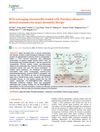
October 2025 in “Nano Research” In this study, researchers developed a dissolvable microneedle patch combining HA-TEMPO and Portulaca oleracea L.-derived nanoparticles, which effectively reduced oxidative stress and inflammation in an atopic dermatitis model while restoring immune balance, suggesting a promising treatment strategy.
 1 citations
,
January 2023 in “Journal of Clinical Medicine”
1 citations
,
January 2023 in “Journal of Clinical Medicine” This study reported that Tomorrowlabs HIF strengthening factor [HSF] hair restoration technology significantly improved hair thickness, density, shine, and elasticity, while reducing hair loss by an average of 66.8% and enhancing hair growth by up to 32.5% in subjects with androgenic alopecia over nine months.
 May 2026 in “Commagene Journal of Biology”
 This review found that anti-aging peptides show promise in cosmeceuticals due to their targeted actions to rejuvenate skin, but challenges like peptide stability, penetration, and limited clinical data limit their current effectiveness.
 January 2026 in “Nanoscale Advances”
 This review provides an overview of microneedle-assisted photomedicine, detailing diagnostic and therapeutic strategies, design principles, and challenges for translating this approach to skin disease management.
January 2026 in “Research” This review discusses advanced biomedical technologies, such as nanotechnology and stem cell-based approaches, for treating androgenetic alopecia, detailing their benefits, current applications, and challenges, without reporting new experimental results.
 May 2025 in “Journal of International Medical Research”
 In this study, micrografting technology was found to potentially shorten healing time compared to other grafting techniques, especially in treating burns, though results showed high heterogeneity and a risk of bias.
 January 2023 in “Nanomedicine & nanotechnology open access”
 This review suggests that microneedling shows promise for improving hair quality, thickness, and density in treating androgenetic alopecia, but standardized treatment protocols are currently lacking.
 January 2022 in “Bio web of conferences/BIO web of conferences”
 This study concluded that the elemental composition of tail brush hair in newborn calves can indicate trace element supply to the fetus during the last months of pregnancy.
 April 2019 in “Advances in Cosmetic Surgery”
 The document concludes that ongoing medical therapy is crucial for preventing hair loss, and surgical options can restore hair, with future treatments for hair loss being promising.
125 citations
,
March 2017 in “Micromachines” This review highlights recent advancements in microfluidics for 3D tissue model generation and discusses its applications in tissue engineering and high-throughput drug screening without reporting new experimental results.