 30 citations
,
November 2012 in “Anais Brasileiros De Dermatologia”
30 citations
,
November 2012 in “Anais Brasileiros De Dermatologia” This review discusses chronic telogen effluvium and diffuse alopecia areata, providing clinical and diagnostic insights, but presents no new clinical findings.
 May 2023 in “Scientific Reports”
 This study found that Lepidium sativum seed extract showed potential in treating alopecia in rats by reducing 5(alpha)-dihydrotestosterone levels and improving hair length compared to minoxidil.
 June 2008 in “British Journal of Dermatology”
 Herpes gestationis is linked to certain antigens, atopic eczema affects T cell populations and may be eased by breastfeeding, higher doses of anti-androgen treatment can improve androgenic alopecia, topical minoxidil increases hair thickness, long-term methotrexate therapy can cause liver fibrosis in psoriasis patients, and Lichen Sclerosus et Atrophicus patients aren't at higher risk for autoimmune disorders.
 June 2023 in “Current Issues in Molecular Biology”
 In this study, the alcoholic extract DN106212 from Centipeda minima was shown to be more effective in promoting hair growth in C57BL/6 mice compared to dimethyl sulfoxide and tofacitinib, suggesting its potential as a natural hair growth agent.
 17 citations
,
October 2015 in “Medicine and Pharmacy Reports”
17 citations
,
October 2015 in “Medicine and Pharmacy Reports” This article reviews current research on animal models for hair regrowth treatments and reports no new findings; it highlights the need for studies comparing therapy efficiency and long-term safety.
 12 citations
,
February 2013 in “Journal of Cutaneous Pathology”
12 citations
,
February 2013 in “Journal of Cutaneous Pathology” This review evaluates various biopsy protocols for alopecia diagnosis and discusses the authors' experience with the St John's protocol but presents no new clinical findings.
 March 2023 in “Journal of Applied Biomedicine”
 This study suggests that oleanolic acid may promote hair growth in mice with testosterone-induced androgenetic alopecia by activating the Wnt/β-catenin pathway and influencing various molecular levels.
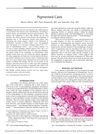 16 citations
,
July 2013 in “The American Journal of Dermatopathology”
16 citations
,
July 2013 in “The American Journal of Dermatopathology” This study observed that pigmented casts are present in various alopecia types but are not specific to any single diagnosis, with distinct morphological features noted in trichotillomania.
 34 citations
,
May 2013 in “Journal of the European Academy of Dermatology and Venereology”
34 citations
,
May 2013 in “Journal of the European Academy of Dermatology and Venereology” In this study, changes in hair cycle phases during pregnancy and the post-partum period showed a rise in telogen rates after delivery, especially among non-breastfeeding women, but no drastic exaggerations were noted.

This study found that a complex extract of Polygonatum sibiricum and Nelumbinis semen improved menopause symptoms in an ovariectomized rat model by enhancing blood lipid metabolism and reducing osteoporosis, without increasing risks of side effects like endometriosis, unlike conventional hormone-replacement therapy.
 82 citations
,
August 2017 in “Cell Reports”
82 citations
,
August 2017 in “Cell Reports” This study found that antibiotic-induced gut dysbiosis, particularly overgrowth of Lactobacillus murinus, can lead to hair loss in mice by depleting biotin.
 1 citations
,
January 2013 in “Mayo Clinic Proceedings”
1 citations
,
January 2013 in “Mayo Clinic Proceedings” This case study details a 31-year-old woman diagnosed with secondary syphilis that presented with chronic headaches and hair loss, ultimately attributed to neurosyphilis and alopecia syphilitica.
 127 citations
,
January 2013 in “PLOS ONE”
127 citations
,
January 2013 in “PLOS ONE” This study found that feeding aged mice a probiotic yogurt induced changes leading to thicker, healthier fur, suggesting a bacteria-triggered interleukin-10-dependent mechanism that mimics signs of youth and reproductive fitness.
 2 citations
,
October 2021 in “Journal of skin and stem cell”
2 citations
,
October 2021 in “Journal of skin and stem cell” This study observed that nail abnormalities often indicate underlying dermatological or systemic conditions, with psoriasis and infections being the most common causes among patients.
 2 citations
,
November 2022 in “Skin research and technology”
2 citations
,
November 2022 in “Skin research and technology” This study found that the p.E402K mutation in the KRT86 gene is a hotspot in Chinese patients with monilethrix, and treatment with 5% topical minoxidil significantly improved hair density and quality.
 September 2023 in “bioRxiv (Cold Spring Harbor Laboratory)”
 This study describes the use of a genetically engineered mouse model, mTurquoise2-Col4a1, to fluorescently label collagen IV and observe basement membrane dynamics during skin development, revealing its stability and pliability during rapid growth phases.
27 citations
,
March 2008 in “Cell stress & chaperones” This study found that localized administration of heat or certain stress protein inducers effectively prevented chemotherapy-induced hair loss in rodent models without affecting chemotherapy efficacy.
37 citations
,
December 2001 in “Journal of Investigative Dermatology” This study found that human follicular papilla cells in the scalp produce leptin and express functional leptin receptors, suggesting leptin's significant role in hair biology.
 8 citations
,
March 2021 in “Medicina-lithuania”
8 citations
,
March 2021 in “Medicina-lithuania” This review discusses the use of platelet-rich plasma for treating female androgenetic alopecia, reporting that it shows high patient satisfaction and improved quality of life in affected women.
 3 citations
,
March 2023 in “Scientific Reports”
3 citations
,
March 2023 in “Scientific Reports” This study found that organoid cultures of human epithelial and mesenchymal cells can produce hair peg-like structures, and their growth is enhanced by minoxidil, suggesting potential for hair drug screening.
 1 citations
,
December 2022 in “Current Issues in Molecular Biology”
1 citations
,
December 2022 in “Current Issues in Molecular Biology” This study found that orally administered Annurca apple extract improved hair length, thickness, weight, and density in mice, while also increasing the expression of hair growth-related genes and proteins, suggesting potential as a natural treatment for hair loss.
 2 citations
,
May 2023 in “International Journal of Molecular Sciences”
2 citations
,
May 2023 in “International Journal of Molecular Sciences” This review discusses current knowledge about the TRPV3 ion channel's role in skin functions and diseases, highlighting its potential as a therapeutic target for pain and itch, though suitable ligands are limited.
 11 citations
,
June 2005 in “Stem Cells and Development”
11 citations
,
June 2005 in “Stem Cells and Development” This study demonstrated that stem cells from the small intestine can differentiate into skin cells and reduce skin damage in irradiated mice, supporting the theory of stem cell plasticity.
 109 citations
,
December 2003 in “American Journal of Pathology”
109 citations
,
December 2003 in “American Journal of Pathology” This study observed that the ontogenetic transition from scarless repair in early fetal rat wounds to scar-forming repair in late gestation is associated with differential TGF-β ligand and receptor expression patterns.
 5 citations
,
October 2022 in “Journal of Ethnopharmacology”
5 citations
,
October 2022 in “Journal of Ethnopharmacology” This review of Anemarrhena asphodeloides highlights its extensive historical use in Eastern traditional medicine and identifies diverse chemical compounds with numerous pharmacological activities, noting the need for further research to understand its mechanisms and ensure safe use.
 February 2023 in “Laboratory Animal Research”
 This study found that Cudrania tricuspidata and Sargassum fusiforme extracts significantly increased hair growth and related gene activity in C57BL/6 mice, suggesting potential use in alopecia treatment.
 9 citations
,
November 2022 in “Applied sciences”
9 citations
,
November 2022 in “Applied sciences” This review explores marine algae-derived phenolic compounds and their potential cosmeceutical benefits, but reports no new clinical results.
 1 citations
,
July 2022 in “Frontiers in Microbiology”
1 citations
,
July 2022 in “Frontiers in Microbiology” This study found that dietary supplementation with 0.2% MSM improved hair quality in kittens and had no significant negative effects on their growth performance, antioxidant capacity, or gut microbiota.
 2 citations
,
February 2022 in “Biology”
2 citations
,
February 2022 in “Biology” This study found that blue laser irradiation reduced ATP levels and cell viability in mouse skin by increasing oxidative stress through the production of reactive oxygen species.
 4 citations
,
May 2018 in “Electronic Journal of Biotechnology”
4 citations
,
May 2018 in “Electronic Journal of Biotechnology” This study found that all-trans retinoic acid (ATRA) negatively affects hair growth by reducing goat dermal papilla cell viability and growth factor expression.