 5 citations
,
June 2024 in “Cureus”
5 citations
,
June 2024 in “Cureus” This scoping review suggests there is a relationship between polycystic ovarian syndrome and vaginal microbiome dysbiosis, potentially linked to decreased Lactobacillus and increased pathogenic species.
This study found that patients with androgenetic alopecia showed distinct scalp bacterial imbalances compared to healthy individuals, which were associated with unhealthy lifestyles. These microbial changes might contribute to follicular inflammation, potentially accelerating hair loss in these patients.
 November 2022 in “Journal of Education, Health and Sport”
 This review discusses the current understanding of the skin microbiome's potential influence on alopecia areata and emphasizes the need for further study, reporting no new experimental results.

This paper highlights the role of the skin microbiome in influencing skin and hair conditions, suggesting that understanding these microbial communities could aid in developing new probiotic or antibiotic treatments for disorders like alopecia and skin diseases.
 April 2018 in “Journal of Investigative Dermatology”
 This study found that sensitive scalp is characterized by increased pH levels, redness, altered sebum composition, and a disrupted microbiome, suggesting these features could inform treatment approaches.

This study found that γδ T cells play a role in regulating stromal behavior, influencing the composition and vascularity of fibrotic tissues during the foreign body response.
 3 citations
,
August 2023 in “World Journal of Biology and Biotechnology”
3 citations
,
August 2023 in “World Journal of Biology and Biotechnology” This research underscores the critical role of the human microbiome in health, highlighting potential therapeutic benefits of interventions like fecal microbiota transplantation and probiotics for conditions linked to microbiome dysbiosis, such as metabolic disorders and inflammatory diseases.
 1 citations
,
December 2025 in “Frontiers in Endocrinology”
1 citations
,
December 2025 in “Frontiers in Endocrinology” This review examines the potential role of gut microbiota and its metabolites in polycystic ovary syndrome (PCOS) and highlights the growing interest in this area; it reports no new clinical findings.
This research found significant associations between gut microbiome composition and 14 out of 37 examined health conditions, suggesting that increased microbial abundance often aligns with favorable health states.
 9 citations
,
December 2023 in “Journal of Neuroimmune Pharmacology”
9 citations
,
December 2023 in “Journal of Neuroimmune Pharmacology” This study found that systemic administration of NDP-MSH, a melanocortin receptor agonist, provided neuroprotective effects on dopaminergic nigrostriatal neurons in a mouse model of Parkinson's disease, reducing neuroinflammation and suggesting a role for regulatory T cells in these neuroprotective effects.
 July 2024 in “Frontiers in Microbiology”
 Data-driven methods can help understand microbiota's role in diseases and develop personalized treatments.
 October 2023 in “bioRxiv (Cold Spring Harbor Laboratory)”
 This study found that neonatal Regulatory T cells are crucial for maintaining PPARγ signaling in hair follicles, which supports melanocyte stem cell function and skin pigmentation during early postnatal development.
 14 citations
,
August 2009 in “Cancer epidemiology”
14 citations
,
August 2009 in “Cancer epidemiology” This study found that AHCC significantly reduced alopecia caused by Ara-C in neonatal rats and improved liver function affected by 6-MP and MTX in mice.
 August 2016 in “Journal of Investigative Dermatology”
 This study found that Rosebay extract significantly reduced dandruff and sebum production, suggesting it may be an effective anti-dandruff ingredient as a complement or alternative to antifungal treatments.
 11 citations
,
May 2023 in “Journal of Cancer Research and Clinical Oncology”
11 citations
,
May 2023 in “Journal of Cancer Research and Clinical Oncology” This review discusses various applications of CRISPR-based tools in cancer research, emphasizing their potential for investigating microRNA functions and developing microRNA-based therapies, despite challenges like off-target effects and delivery issues in using CRISPR/Cas9.
 January 2026 in “Food Science and Human Wellness”
 This research examined krill oil's effects on benign prostatic hyperplasia and found that it inhibited the growth of prostate cells in vitro and reduced prostate size and weight in a BPH rat model, suggesting potential as a prophylactic or therapeutic agent for BPH.
 September 2025 in “Cureus”
 This review suggests that GLP-1 receptor agonists may improve various dermatologic conditions, but larger studies are needed to confirm these findings.
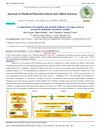 June 2024 in “Journal of medical pharmaceutical and allied sciences”
 In this study, researchers observed that Pectin from Nagpuri oranges significantly increased colony counts of probiotic bacteria like L. acidophilus and L. plantarum both in vitro and in vivo, suggesting potential use as a prebiotic or synbiotic in nutraceutical formulations.
This study suggests that bioactives like Curcumin, Quercetin, and "Tulsi" may relieve chemotherapy-induced adverse drug reactions in cancer patients, potentially reducing resistance and recurrence.
 39 citations
,
July 2021 in “Stem Cell Research & Therapy”
39 citations
,
July 2021 in “Stem Cell Research & Therapy” This study found that combining platelet-rich plasma with adipose-derived mesenchymal stem cells significantly improved diabetic wound healing in rats by enhancing angiogenesis and modulating the Notch signaling pathway.

This review reports that alterations in the scalp, hair follicle, and gut microbiome are associated with alopecia, and interventions targeting microbiome dysbiosis may have potential in treating hair loss.
 2 citations
,
May 2022 in “Cosmetics”
2 citations
,
May 2022 in “Cosmetics” This review explores the potential roles of the gut and skin microbiome in alopecia areata, suggesting topical and systemic strategies for managing the condition, but it reports no new clinical results.
 November 2025 in “Cureus”
 This review discusses the link between PCOS and acne, highlighting the roles of hyperandrogenism and insulin resistance, but it reports no new clinical findings.
November 2025 in “Dermato” In this review, researchers synthesized contemporary findings about the human skin microbiome's influence on conditions like acne, aging, and hyperpigmentation, highlighting the potential of microbiome-informed strategies and treatments such as postbiotics and probiotics to improve dermatological outcomes.
7 citations
,
November 2024 in “Journal of the American Academy of Dermatology” Genetics, hormones, and microbiome changes contribute to hidradenitis suppurativa.
December 2025 in “Cosmetics” This research identified unique gut microbiota patterns in alopecia areata patients, with potential as diagnostic biomarkers and suggesting avenues for microbiota-focused therapies.
January 2018 in “Florence Research (University of Florence)” This study identified significant differences in the fungal gut microbiota between melanoma and vitiligo patients compared to healthy controls and observed varying bacterial abundances associated with melanoma histopathology and vitiligo clinical parameters.
 March 2026 in “Frontiers in Oncology”
 This study concluded that dermatologists are integral to the care of cancer survivors by shifting focus from symptomatic skin treatment to preventive and rehabilitative strategies that enhance long-term skin health and quality of life post-oncology therapy.
 April 2018 in “Journal of Investigative Dermatology”
 This study demonstrated that in genetic mouse models, the calcium sensor Stim1, not Stim2, is essential for sweat secretion in sweat glands.
 78 citations
,
June 2021 in “Dermatology and Therapy”
78 citations
,
June 2021 in “Dermatology and Therapy” This study highlights the evolving understanding of acne's pathophysiology and suggests that targeting pro-inflammatory cytokines such as IL-1β, IL-17, IL-23, and TNFα with biological antibodies may offer new treatment strategies for severe acne and its scars.