 May 2017 in “bioRxiv (Cold Spring Harbor Laboratory)”
 This study found that the peach gene CTG134, involved in auxin-ethylene interactions, plays a role in hormonal regulation during root hair formation in Arabidopsis and tobacco.
 April 2017 in “Journal of Investigative Dermatology”
 This study found that fisetin, a dietary flavonoid, significantly improved psoriasiform skin lesions in mice by promoting cell differentiation, inhibiting proliferation, and modulating inflammatory responses.
 April 2017 in “Journal of Investigative Dermatology”
 This study found that SM04755, a novel topical drug, inhibited inflammation, keratinocyte proliferation, and fibrosis in vitro and improved skin health in a mouse model of psoriasis, indicating potential as a topical psoriasis treatment.
 April 2017 in “Journal of Investigative Dermatology”
 In laboratory tests and mouse models, this study found that the novel IPC analog SIG-1451 may offer potent anti-inflammatory effects for treating allergic skin inflammation, potentially outperforming some current therapies in specific inflammatory phases.
 April 2017 in “Journal of Investigative Dermatology”
 In this study, the novel isoprenylcysteine analog SIG-1451 was shown to inhibit pro-inflammatory cytokine release in various cell-based assays relevant to allergic dermatitis, acting on targets such as IL-4 and IL-6 with potential anti-inflammatory benefits.
 April 2017 in “Journal of Investigative Dermatology”
 This study found that retinoic acid and a retinol complex formulation showed different permeation and compound localization in a skin equivalent model, with unique lipid changes observed with only the retinol formulation.
 March 2017 in “De Gruyter eBooks”
 The Leechbook shows how hair and sexual health were key to medieval masculinity and some remedies may still be useful.
 February 2017 in “Cancer Causes & Control”
 In this study, Swedish men carrying the AR haplotype H2 were found to have a significantly lower risk of prostate cancer compared to those with the more common H1 variant.
 January 2017 in “Clinical approaches and procedures in cosmetic dermatology”
 This chapter reviews differences in dermatological treatments and conditions between male and female patients, particularly noting the impacts of sex steroids on various skin processes, but presents no new clinical findings.
 November 2016 in “Dermatologic Therapy”
 This abstract provides issue information for the Dermatologic Therapy journal's November/December 2016 edition and offers no new study results.
 August 2016 in “Journal of Investigative Dermatology”
 This study found that Rosebay extract significantly reduced dandruff and sebum production, suggesting it may be an effective anti-dandruff ingredient as a complement or alternative to antifungal treatments.
 March 2016 in “Journal of the European Academy of Dermatology and Venereology”
 The April 2016 JEADV issue covered various dermatology topics, including psoriasis, psoriatic arthritis, mTOR inhibitors, autoimmune diseases, photodynamic therapy, viral DNA in skin diseases, chronic hand eczema, and female hair loss.
 January 2016 in “Research Explorer (The University of Manchester)”
 Activating the Eda/Edar pathway improves wound healing by enhancing hair follicle growth.
 December 2014 in “Endocrinología y nutrición”
 The woman's rare combination of diseases suggests an unknown factor may predispose individuals to multiple endocrine diseases.
 November 2014 in “Elsevier eBooks”
 This article reviews the clinical and biochemical features of genetic mutations affecting dihydrotestosterone production and their potential role in male pseudo-hermaphroditism, but presents no new clinical results.
 May 2014 in “Journal of The American Academy of Dermatology”
 The project aimed to understand how genetic test results affect patients' actions and feelings in dermatology.
 May 2014 in “Journal of The American Academy of Dermatology”
 Patients with nonmelanoma skin cancers are most bothered by fear of progression, appearance concerns, and having cancer.
 December 2013 in “Biomedical and biopharmaceutical research”
 This review discusses technological advances in liposome systems for drug delivery and reports no new clinical results; it highlights the clinical acceptance and market presence of liposomal products.
 November 2013 in “John Wiley & Sons, Ltd eBooks”
 The document concludes that accurate diagnosis of male and female gonadal disorders is crucial for effective treatment and better patient outcomes.
 October 2012 in “Semina. Ciências Agrárias”
 This case report details a 7-year-old Shih Tzu with pituitary-dependent hyperadrenocorticism, where initial trilostane treatment did not improve skin conditions, necessitating a dosage increase.
 March 2012 in “Korean Journal of Microscopy”
 This study found that nanoparticles can penetrate the skin, but artifacts produced during specimen preparation complicate accurate observation, and proposed a method for reducing errors in imaging quantum dots as tracers.

This chapter reviews the structure, pharmacokinetics, and clinical applications of PEGylated liposomes and reports no new research findings.
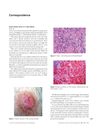 October 2010 in “International Journal of Dermatology”
 An 86-year-old man with prostate cancer was diagnosed with a rare, low-grade breast cancer and underwent surgery but declined additional hormone therapy.
 February 2010 in “Journal of The American Academy of Dermatology”
 The document concludes that using gadolinium-based contrast agents during MRI can be linked to Nephrogenic Systemic Fibrosis in patients with severe kidney disease.
 February 2010 in “Journal of The American Academy of Dermatology”
 A woman with Degos disease managed her condition for nine years with medications and had two healthy pregnancies, while a separate finding suggests a possible link between female pattern hair loss and high blood pressure.
 January 2009 in “Springer eBooks”
 The document concludes that managing skin conditions during pregnancy is important and requires specialized care.
 January 2009 in “Side effects of drugs annual”
 This study observed no teratogenic effects of oral decongestants and surprisingly favorable neonatal outcomes in Swedish women who used them during pregnancy.
 April 2008 in “Companion Animal”
 This article is a self-assessment by Rosa Angela Ragni and Kenneth Smith, reporting no new results.
 January 2008 in “Durham e-Theses (Durham University)”
 This study observed that stem cells from the hair follicle dermis share similarities with bone marrow-derived mesenchymal stem cells and have potential to form neural-like cells under specific conditions.
 September 2006 in “Dermatologic Surgery”
 This study reported that squamous cell carcinomas of the scalp can be extraordinarily aggressive, potentially metastasizing and causing death, highlighting the need for early diagnosis and careful treatment approaches.