In this study, 1% pimekrolimus cream was found to be more effective than 0.05% clobetasol propionate for treating active plaques in patients with alopecia areata.
25 citations
,
October 1993 in “American Journal of Physical Anthropology” This study observed that in Namibian/Southern African men, hormone levels, particularly estradiol, influence the growth of body hair, with different effects noted in various ethnic groups.
6 citations
,
December 2021 in “International Journal of Endocrinology” This study found that the INSR His1058 C/T SNP does not increase the risk of developing PCOS among Kashmiri women.
1 citations
,
January 2010 in “International journal of medicinal mushrooms” This study found that Ganoderma lucidum fruiting body powder improved cholesterol profiles and hair follicle health in rats exposed to a tumor-promoting agent, suggesting potential chemopreventive properties against skin abnormalities.

This study found that liquid nitrogen cryotherapy resulted in good responses in 33% of patients with recalcitrant alopecia areata, although nearly 30% showed no response.
This study observed that a combination of two mineral and nutritional supplement products increased anagen-phase hair and reduced hair loss in women with androgenetic alopecia and acute or chronic telogen effluvium after four months.
 December 2024 in “Jurnal Mandala Pharmacon Indonesia”
 In this study, high-dose oral administration of Ramania leaf ethanol extract in Wistar rats resulted in no significant acute toxicity symptoms, though gastric ulcers and hair loss were observed. The extract is classified as non-toxic under specified guidelines, with an LD50 greater than 5000 mg/kg.
December 2023 in “FUDMA Journal of Sciences” In this study, researchers analyzed Vachellia nilotica and Senegalia ataxacantha from Katsina state, Nigeria, identifying various bioactive compounds in their shoots and suggesting their potential as raw materials for pharmaceutical antifungal therapies.

This study found that dyslipidemia is prevalent in 64.8% of male patients with androgenetic alopecia at Dr. Ruth K.M Pfau Civil Hospital, Karachi, highlighting the need for further research to confirm these findings.
January 2020 in “AYBU AVESIS” This study found no significant difference in 2D:4D ratios and autism questionnaire scores between acne vulgaris patients and healthy controls, despite investigating potential links in this novel context.
This study observed that heavy draft horses with verrucous pastern dermatitis showed significantly increased expression of keratins K6 and K16, suggesting a phylogenetically conserved keratin expression pattern in response to skin inflammation and proliferation.
10 citations
,
May 2017 in “Symmetry” This study observed that among !Kung San males, adult androgen levels, particularly DHT, were negatively associated with indicators of fluctuating and directional asymmetry, suggesting a link to phenotype quality.
1 citations
,
January 2021 in “SISTEMASI” This study found that the multi-thresholding method was the most effective for segmenting hair during laser removal, as it clearly distinguished hair patterns with minimal noise.
 October 2025 in “International Journal For Multidisciplinary Research”
 In this study, researchers documented the use of 69 plant species across 38 families in traditional medicine by herbal practitioners in Raichur District, detailing their therapeutic properties for 22 ailments such as fever, epilepsy, and diabetes, though interest in traditional practices is declining.
September 2025 in “Archives of Medicine and Health Sciences” In this study, a high prevalence of anemia and iron deficiency was reported among first-trimester pregnant women in Mysore, with sociodemographic factors like residence, education, and BMI significantly influencing anemia risk.
 June 2025 in “Jurnal Mandala Pharmacon Indonesia”
 In this study, researchers found that methanol extract from E. alba stem reduced the expression of the apoptosis marker gene Caspase-3 in T47D breast cancer cells, particularly at 100 ppm, achieving 1.859 times suppression compared to DMSO 2%.
In this study conducted among high school students in rural Eskişehir, Turkey, alopecia prevalence was 37.4% and was associated with factors such as oily scalp and irregular menstruation, negatively affecting quality of life.
 June 2006 in “British Journal of Dermatology”
 The document reports unique growth lines in a child after Stevens-Johnson syndrome, skin reaction from parsnips and sun in a girl, and itchy skin with xanthomas in a boy with Alagille syndrome.
 522 citations
,
January 2001 in “Cancer investigation”
522 citations
,
January 2001 in “Cancer investigation” This review describes the unique pharmacological profile and clinical applications of pegylated liposomal doxorubicin, emphasizing its role in Kaposi's sarcoma and recurrent ovarian cancer, but reports no new clinical results.
174 citations
,
July 2003 in “The Journal of Clinical Endocrinology & Metabolism” This study investigated genetic and phenotypic characteristics of androgen insensitivity syndrome in individuals with a 46,XY karyotype, documenting a range from complete to partial insensitivity.
 161 citations
,
July 2003 in “ACM Transactions on Graphics”
161 citations
,
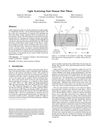
July 2003 in “ACM Transactions on Graphics” In this study, a new shading model for hair was developed that better matches real-life light scattering, thanks to detailed new measurements of hair fiber scattering not predicted by existing models.
 157 citations
,
June 2011
157 citations
,
June 2011 Dermatoscopy and videodermatoscopy are useful for diagnosing and monitoring various skin, hair, and nail conditions.
148 citations
,
May 2012 in “The American Journal of Human Genetics” This study identified heterozygous mutations in the ABCC9 gene as the genetic basis of Cantú syndrome, suggesting the syndrome as a new member of potassium channelopathies.
123 citations
,
June 2006 in “Journal of Neurobiology” This study reports that progesterone metabolism to DHP and THP is necessary for its neuroprotective effect against kainic acid excitotoxicity in ovariectomized rats, unlike the synthetic progestin MPA.
114 citations
,
May 2001 in “Development” This study found that overexpressing the Hoxc13 gene in mice causes hair loss and a skin condition similar to ichthyosis, identifying several gene targets that may regulate hair growth.
 102 citations
,
February 2008 in “The FASEB Journal”
102 citations
,
February 2008 in “The FASEB Journal” This study found that human hair follicles express ATP-sensitive potassium channels, suggesting that minoxidil acts on these channels and that drugs targeting them may treat hair disorders.
 98 citations
,
June 2001 in “Journal of biological chemistry/The Journal of biological chemistry”
98 citations
,
June 2001 in “Journal of biological chemistry/The Journal of biological chemistry” This study identified a cluster of genes on chromosome 17 related to hair keratin-associated proteins, including 37 genes forming seven multigene families, localized in the hair shaft's upper cortex.
95 citations
,
March 2009 in “Differentiation” Gene expression in wool follicles changes with growth cycles, offering insights into wool and human hair growth.

This study introduced a new hair shading model that more accurately simulates light scattering on hair fibers, capturing effects not predicted by previous models.
86 citations
,
April 2009 in “Journal of anatomy” This paper reviews the evolution of skin appendages and keratin-associated proteins among amniotes, proposing a model for their genetic divergence without new experimental results.