 May 2025 in “The Journal of Rheumatology”
 In this case report, two patients with coexisting systemic lupus erythematous and neuromyelitis optica spectrum disorder achieved remission of SLE activity using an anti-CD19 monoclonal antibody.
 May 2025 in “The Journal of Rheumatology”
 This case report describes a young female with pediatric SLE and latent TB who was found to have gastrointestinal tuberculosis, a rarely recognized and often misdiagnosed condition, highlighting the diagnostic challenges and need for early recognition in such cases.
 May 2025 in “The Journal of Rheumatology”
 This case report describes a 21-year-old woman whose catatonia led to the diagnosis of systemic lupus erythematosus, suggesting catatonia may be an underrecognized manifestation of neuropsychiatric lupus.
 May 2025 in “The Journal of Rheumatology”
 This case report details a 56-year-old woman's diagnosis with an overlapping syndrome of dermatomyositis, systemic lupus, and secondary antiphospholipid syndrome, highlighted by purpura fulminans, treated successfully with immunosuppressants and plasmapheresis.
 May 2025 in “The Journal of Rheumatology”
 This study highlights the efforts of the Oyemam Autoimmune Foundation in raising awareness and supporting lupus patients in Ghana, amid challenges like misdiagnosis and insufficient healthcare resources, revealing the impact of their advocacy and counseling initiatives on patients' lives.
May 2025 in “The Journal of Rheumatology” In this case report, researchers describe a rare instance of bullous lupus presenting with severe esophageal involvement in a 42-year-old woman, highlighting the significant diagnostic and therapeutic challenges encountered in such cases despite successful treatment with immunosuppressive therapy.
 May 2025 in “The Journal of Rheumatology”
 This case report describes a patient with systemic lupus erythematosus whose unusual nephrological presentation led to a diagnosis of C3 glomerulopathy, highlighting the importance of considering atypical findings to broaden diagnostic approaches.
 May 2025 in “The Journal of Rheumatology”
 In this case report, a 64-year-old woman diagnosed with both NMOSD and SLE showed mild improvement in vision and recovered from thrombocytopenia after treatment with glucocorticoids and Rituximab, highlighting the importance of accurate diagnosis and tailored treatment for overlapping autoimmune disorders.
 May 2025 in “The Journal of Rheumatology”
 This case report describes a 47-year-old woman with dilated cardiomyopathy as the first sign of primary antiphospholipid syndrome, highlighting the need for APS screening in similar patient presentations.
 May 2025 in “The Journal of Rheumatology”
 This case report highlights a rare instance of diffuse alveolar hemorrhage in a patient with catastrophic antiphospholipid syndrome, emphasizing the importance of early recognition and multidisciplinary management.
 May 2025 in “The Journal of Rheumatology”
 This case report details a rare instance of primary adrenal insufficiency as a manifestation of antiphospholipid syndrome, with the patient successfully managed through glucocorticoids, warfarin, and hydroxychloroquine.
 May 2025 in “The Journal of Rheumatology”
 This case report describes a woman whose initial presentation of SLE was persistent watery diarrhea, diagnosed as lymphocytic enterocolitis, and shows that immunosuppressive therapy resulted in symptom relief.
 January 2020 in “Animal Husbandry Dairy and Veterinary Science”
 This case report describes a Labrador retriever with arthrosis whose symptoms improved after sequential treatments including corticosteroids and tetracycline, leading to the resolution of dermatitis and nodular tumors.
 273 citations
,
May 2017 in “The Lancet”
273 citations
,
May 2017 in “The Lancet” This review discusses the diagnosis and management of severe cutaneous adverse reactions to drugs and provides guidance for physicians to improve patient outcomes, but it reports no new clinical results.
 213 citations
,
June 2017 in “Rheumatology”
213 citations
,
June 2017 in “Rheumatology” This guideline outlines the management of systemic lupus erythematosus in adults but reports no new clinical findings.
 139 citations
,
February 2010 in “The journal of allergy and clinical immunology/Journal of allergy and clinical immunology/The journal of allergy and clinical immunology”
139 citations
,
February 2010 in “The journal of allergy and clinical immunology/Journal of allergy and clinical immunology/The journal of allergy and clinical immunology” This review outlines the advancements in organ and tissue transplantation since the discovery of the human MHC and reports no new clinical results.
 105 citations
,
February 2017 in “British Journal of Dermatology”
105 citations
,
February 2017 in “British Journal of Dermatology” This review discusses the range of long-term complications, including mucocutaneous, ocular, and psychological sequelae, for survivors of Stevens–Johnson syndrome and toxic epidermal necrolysis, but reports no new clinical results.
 101 citations
,
July 2020 in “Dermatologic therapy”
101 citations
,
July 2020 in “Dermatologic therapy” This systematic review reports that "COVID toes" and other skin manifestations can be initial signs of COVID-19, and advises immunosuppressive therapy adjustments only for infected or at-risk patients.
 59 citations
,
June 2022 in “Frontiers in medicine”
59 citations
,
June 2022 in “Frontiers in medicine” This review discusses the complex causes and treatment challenges of chronic inflammatory skin diseases, emphasizing the need for biomarkers to predict treatment responses; it reports no new clinical results.
 47 citations
,
June 2011 in “Movement Disorders”
47 citations
,
June 2011 in “Movement Disorders” The LRRK2-G2019S mutation in Parkinson's disease has a lifetime penetrance of 25-35%, and finasteride may help reduce symptoms in adult male Tourette syndrome patients.
 46 citations
,
May 2011 in “Movement Disorders”
46 citations
,
May 2011 in “Movement Disorders” This article contains additional supporting information available online but presents no new research findings.
 40 citations
,
December 2006 in “Journal of The European Academy of Dermatology and Venereology”
40 citations
,
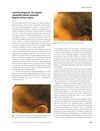
December 2006 in “Journal of The European Academy of Dermatology and Venereology” This article reports two cases where 2% topical minoxidil showed promise in treating traction alopecia, but it does not offer broader clinical conclusions.
 39 citations
,
May 2011 in “Movement Disorders”
39 citations
,
May 2011 in “Movement Disorders” Finasteride may help reduce symptoms in male Tourette syndrome patients.
 35 citations
,
October 2012 in “Dermatologic Clinics”
35 citations
,
October 2012 in “Dermatologic Clinics” This article reviews the impact of different forms of alopecia on patients with systemic autoimmune diseases and reports no new clinical findings; it emphasizes the need for attentive management of alopecia-related symptoms.
 31 citations
,
June 2020 in “Dermatologic Therapy”
31 citations
,
June 2020 in “Dermatologic Therapy” This systematic review reports that for patients with underlying dermatologic disorders who contracted COVID-19, most experienced mild to moderate exacerbation of their skin conditions and were managed similarly to the general population, suggesting treatment discontinuation during acute infection may prevent severe recurrence.
 31 citations
,
June 2011 in “Movement Disorders”
31 citations
,
June 2011 in “Movement Disorders” The document describes a woman with familial Parkinson's disease due to a genetic mutation, showing severe symptoms and poor response to treatment, and suggests finasteride may help reduce symptoms in Tourette syndrome.
 30 citations
,
January 2021 in “Journal of Clinical Immunology”
30 citations
,
January 2021 in “Journal of Clinical Immunology” This study describes various clinical phenotypes associated with FOXN1 mutations, finding that affected individuals may develop different severities of immunodeficiency based on their genetic mutations.
 17 citations
,
May 2011 in “Movement Disorders”
17 citations
,
May 2011 in “Movement Disorders” Finasteride significantly reduced tics and obsessive-compulsive symptoms in patients with Tourette syndrome.
 15 citations
,
September 2014 in “Journal of The American Academy of Dermatology”
15 citations
,
September 2014 in “Journal of The American Academy of Dermatology” This study found that seven cases of cicatricial alopecia initially diagnosed as discoid lupus erythematosus were more consistent with lichen planopilaris based on histopathology.
 14 citations
,
February 2023 in “Frontiers in immunology”
14 citations
,
February 2023 in “Frontiers in immunology” This review discusses the range of cutaneous immune-related adverse events induced by immune checkpoint inhibitors and the proposed mechanisms underlying these skin reactions, but reports no new clinical results.