 3 citations
,
January 2019 in “Therapeutic advances in urology”
3 citations
,
January 2019 in “Therapeutic advances in urology” This review concluded that WS PRO 160 I 120 mg, a herbal preparation, may be an effective and safer alternative to standard drugs for treating lower urinary tract symptoms in men with benign prostatic hyperplasia.
January 2014 in “Hebei yixue” This study found that combining tamsulosin and finasteride significantly improved urinary symptoms and IPSS scores in elderly patients with benign prostatic hyperplasia compared to finasteride alone, with good safety profiles.
 69 citations
,
July 1997 in “Der Urologe”
69 citations
,
July 1997 in “Der Urologe” This study found that PRO 160/120 and Finasteride showed similar effectiveness in improving urinary symptoms and quality of life in patients with benign prostatic hyperplasia over 48 weeks.
 28 citations
,
August 2011 in “Journal of The American Academy of Dermatology”
28 citations
,
August 2011 in “Journal of The American Academy of Dermatology” This study found that men with early-onset androgenetic alopecia had significantly larger prostate volumes and lower urinary flow rates compared to healthy controls, suggesting a possible link between AGA and prostate-related urinary symptoms.
21 citations
,
January 1998 in “Urologia internationalis” This study found that combining dibenyline and finasteride for symptomatic BPH treatment offered modest improvements with fewer additional side effects compared to each drug alone.
 19 citations
,
October 2018 in “PLOS ONE”
19 citations
,
October 2018 in “PLOS ONE” This study found that 5-alpha-reductase inhibitor monotherapy for symptomatic benign prostatic hyperplasia showed some clinical benefit over placebo but was linked to a higher incidence of sexual side effects.
 15 citations
,
June 2018 in “Food Reviews International”
15 citations
,
June 2018 in “Food Reviews International” This review discusses the potential benefits of pumpkin seed oil for men's health, particularly in conditions such as benign prostatic hyperplasia, overactive bladder, and androgenic alopecia, but reports no new clinical results.
14 citations
,
January 2020 in “Archivio Italiano di Urologia e Andrologia” This review found that finasteride monotherapy for managing LUTS/BPH significantly reduced prostate volume and improved symptoms, with sexual dysfunctions reported as notable side effects compared to placebo, but emphasizes the need for more comprehensive studies.
6 citations
,
June 2022 in “Journal of Clinical Medicine” This study found that for men with moderate-to-severe LUTS/BPH, 6 months of treatment with tamsulosin plus the hexanic extract of S. repens was as effective as tamsulosin plus a 5-alpha-reductase inhibitor but had better tolerability.
 5 citations
,
August 2023 in “The World Journal of Men s Health”
5 citations
,
August 2023 in “The World Journal of Men s Health” This study found that red ginseng oil (RXGIN) significantly improved lower urinary tract symptoms and some aspects of sexual function in men, with no serious adverse events reported.
 5 citations
,
September 2012 in “The Journal of Urology”
5 citations
,
September 2012 in “The Journal of Urology” This article discusses androgenetic alopecia as a potential early marker for benign prostatic hyperplasia but reports no new clinical findings.
 3 citations
,
January 2015 in “DOAJ (DOAJ: Directory of Open Access Journals)”
3 citations
,
January 2015 in “DOAJ (DOAJ: Directory of Open Access Journals)” This study found no relationship between androgenic alopecia and parameters such as PSA level, IPSS, and prostate volume in men over 50.
 3 citations
,
April 2003 in “BJUI”
3 citations
,
April 2003 in “BJUI” Doxazosin alone or combined with finasteride improves prostate symptoms better than finasteride alone, without extra benefits.
 2 citations
,
July 2021 in “Uro”
2 citations
,
July 2021 in “Uro” This review discusses the efficacy of the lipidosterolic extract of Serenoa repens for treating lower urinary tract symptoms and reports no new clinical results; the authors propose further examination of the existing literature and guidelines.
1 citations
,
September 2024 in “African Journal of Urology” This study found that dutasteride improved maximum urinary flow rate more effectively than finasteride when used in combination therapy with tamsulosin for treating benign prostatic hyperplasia over six months.
1 citations
,
September 2023 in “Prostate International” In this study, a 12-week treatment with Angelicae Gigantis Radix and Glycyrrhizae Radix complex was well tolerated and showed therapeutic effects on moderate lower urinary tract symptoms in men.
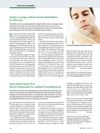
Early balding may be a sign of future prostate problems.
August 2018 in “Daehan binyogi jong-yang haksulji” In this retrospective study, researchers found that coadministration of finasteride and sildenafil in patients with benign prostatic hyperplasia improved both lower urinary tract symptoms and sexual function, without significant changes in vital signs, after a treatment period averaging 18 weeks.
3 citations
,
February 2019 in “Molecular genetics and metabolism” This study found that coadministration of tadalafil and finasteride improved lower urinary tract symptoms and erectile function in men with benign prostatic hyperplasia better than finasteride alone over 26 weeks.
 24 citations
,
October 2008 in “International Braz J Urol”
24 citations
,
October 2008 in “International Braz J Urol” In this study, short-term treatment with lovastatin showed no effect on symptom severity, prostate volume, or PSA levels in men with prostatic enlargement from presumed benign prostatic hyperplasia.
14 citations
,
May 2016 in “Therapeutic advances in urology” This review examines the use of tadalafil and finasteride as a combined therapy for BPH, suggesting it may effectively reduce treatment-related sexual adverse events and improve symptom relief.
 4 citations
,
April 2015 in “대한비뇨기종양학회지”
4 citations
,
April 2015 in “대한비뇨기종양학회지” This study concluded that packaging tamsulosin and finasteride together for co-administration in patients with benign prostatic hyperplasia improves medication adherence compared to packaging each drug separately.
 January 2026 in “Food and Nutrition Sciences”
 This randomized, placebo-controlled trial reported that USPlus PRO saw palmetto extract significantly improved lower urinary tract symptoms, including voiding, incomplete emptying, and weak stream, as well as sexual function in males over 12 weeks, while maintaining a favorable safety profile.
 January 2025 in “Investigative and Clinical Urology”
 This study found that after 12 weeks of taking the trial product SHPro®, participants reported improvements in prostate symptom scores and erectile function, with confirmed safety.
 September 2024 in “LUTS Lower Urinary Tract Symptoms”
 This study found that among patients over 45 with lower urinary tract symptoms due to benign prostatic hyperplasia, those with androgenic alopecia had worse symptoms and higher testosterone levels than those without baldness.
 October 2020 in “Cirugía y cirujanos”
 This study found that severe obesity is positively associated with more severe lower urinary tract symptoms compared to moderate obesity in patients with prostatic enlargement.
April 2019 in “Journal of the Endocrine Society” This case study reports a rare instance of ectopic ACTH secretion from a primary lung neuroendocrine tumor in a young woman, highlighting successful diagnosis and treatment following symptoms of Cushing syndrome, with normalization of ACTH, glucose, and cortisol levels post-surgery.
December 2013 in “Urology reports (St - Petersburg)” This study found that Sonirid Duo, a combination of tamsulosin and finasteride, significantly improved symptoms and quality of life in patients with BPH over 12 months.
 April 2013 in “The Journal of Urology”
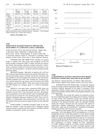
 Researchers created a simple tool to predict bladder blockage from prostate enlargement using urine flow rate and prostate volume.
April 2012 in “The Journal of Urology” This study found that one year of finasteride treatment significantly reduced PSA levels and prostate volume in men with elevated PSA and negative prior biopsy, potentially aiding prostate cancer diagnosis.