22 citations
,
September 2020 in “The journal of investigative dermatology/Journal of investigative dermatology” This review highlights the possible role of T regulatory cells in the immune-related mechanisms of alopecia areata but reports no new clinical findings.
2 citations
,
December 2024 in “Journal of Dermatological Treatment” This review suggests that IL-23 inhibitors may be effective for various non-psoriatic inflammatory skin conditions, but emphasizes the need for further large-scale trials to confirm their efficacy and safety.
 August 2007 in “Journal of Investigative Dermatology”
 This review covers presentations from the 68th Annual Meeting of the Society of Investigative Dermatology and highlights research advances in dermatology, but reports no new clinical results.
In a proof-of-concept study at Xiangya Hospital, the researchers observed that combining tofacitinib with low-dose interleukin-2 helped maintain remission in refractory alopecia areata patients, with three out of four maintaining complete remission for 11–20 months post-treatment and no adverse events reported.
 6 citations
,
July 2013 in “Experimental and Therapeutic Medicine”
6 citations
,
July 2013 in “Experimental and Therapeutic Medicine” This study found that topical ginsenoside Rg1 may protect skin from UVB-induced damage in mice by reducing pathological changes and modulating cytokine mRNA expression associated with inflammation and immune response.
 25 citations
,
July 1994 in “Archives of Dermatology”
25 citations
,
July 1994 in “Archives of Dermatology” This study describes a patient with metastatic renal cell carcinoma who experienced a recurrence of pemphigus vulgaris after receiving interleukin 2 immunotherapy, suggesting a possible link between the treatment and autoimmune disease recurrence.
 3 citations
,
January 2023 in “PloS one”
3 citations
,
January 2023 in “PloS one” In this study, hair-follicle-associated pluripotent stem cell implantation improved functional recovery and reduced inflammation in a mouse model of intracerebral hemorrhage.
20 citations
,
March 2019 in “Case Reports in Dermatology” This report describes two cases where patients developed alopecia while undergoing treatment for psoriasis with IL-17 inhibitors, suggesting an unexpected paradoxical reaction.
 12 citations
,
May 2018 in “JAAD Case Reports”
12 citations
,
May 2018 in “JAAD Case Reports” This case report describes a patient with psoriasis who experienced scalp hair darkening and increased growth during anti–IL-17 therapy.
April 2026 in “Health care of Tajikistan” This study found that patients with alopecia areata receiving combined therapy showed a significant reduction in proinflammatory cytokines and circulating immune complexes, along with increased IL-10 levels and phagocytic activity, suggesting an immunomodulatory effect that reduces inflammation and restores immune balance.
 December 2025 in “Nature Communications”
 In this study using mouse models, researchers found that elevated IL-17a in aged olfactory epithelium impairs olfactory function, while IL-17a inhibition promotes regeneration and mitigates age-related decline.
 December 2025 in “Naunyn-Schmiedeberg s Archives of Pharmacology”
 In this animal study, AGO (agomelatine) effectively alleviated testosterone-induced benign prostatic hyperplasia in rats by reducing oxidative stress and inflammation, indicating its potential as a therapeutic option for managing BPH through specific signaling pathways.
 January 2010 in “CNR Solar (Scientific Open-access Literature Archive and Repository) (Consiglio Nazionale delle Ricerche)”
 This study found that combining metformin and clomifene citrate improved pregnancy outcomes and reduced miscarriage rates in women with PCOS and infertility undergoing intrauterine insemination.
 9 citations
,
July 2018 in “European Journal of Dermatology”
9 citations
,
July 2018 in “European Journal of Dermatology” Brodalumab effectively treated a man's severe hand and foot psoriasis.
 4 citations
,
January 2023 in “The journal of allergy and clinical immunology/Journal of allergy and clinical immunology/The journal of allergy and clinical immunology”
4 citations
,
January 2023 in “The journal of allergy and clinical immunology/Journal of allergy and clinical immunology/The journal of allergy and clinical immunology” This study reported that dupilumab, an FDA-approved biologic, is a safe and effective first-line systemic treatment for children with moderate-to-severe atopic dermatitis, showing sustained skin improvement and itch reduction, with injection site reactions and conjunctivitis as potential side effects.
 4 citations
,
January 2019 in “Einstein (São Paulo)”
4 citations
,
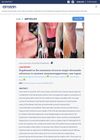
January 2019 in “Einstein (São Paulo)” In this case report, a patient with severe atopic dermatitis experienced significant improvement with dupilumab after other treatments, including immunosuppressive agents, failed to control the disease.
 January 2026 in “Dermatology Practical & Conceptual”
 In a systematic review and meta-analysis, the researchers found that intralesional triamcinolone acetonide was more effective than cryotherapy for achieving significant hair regrowth in patients with patchy alopecia areata, although both treatments had distinct safety profiles.
July 2026 in “Dermatology Practical & Conceptual” This narrative review reports that IL-17 and IL-23 inhibitors, while effective for psoriasis and other inflammatory diseases, can cause a variety of skin reactions that resemble primary dermatoses, highlighting the need for careful diagnosis and varied management strategies.
 4 citations
,
July 2020 in “International Journal of Cosmetic Science”
4 citations
,
July 2020 in “International Journal of Cosmetic Science” This study found that while all hair removal techniques increased axillary erythema and skin dryness, shaving caused less erythema but more dryness than plucking or waxing, without affecting post-inflammatory hyperpigmentation or other skin properties.
1 citations
,
December 2021 in “American Journal of Obstetrics and Gynecology” This study observed that hair cortisol levels increased during pregnancy and positively correlated with certain systemic cytokines postpartum, suggesting potential associations with perinatal outcomes.
 16 citations
,
November 2005 in “Journal of Investigative Dermatology Symposium Proceedings”
16 citations
,
November 2005 in “Journal of Investigative Dermatology Symposium Proceedings” This study found that intramuscular anti-IFN-γ significantly stabilized and promoted hair regrowth in alopecia areata patients with patchy, progressive hair loss, whereas those with total baldness showed more limited improvement.
 4 citations
,
July 2008 in “British journal of dermatology/British journal of dermatology, Supplement”
4 citations
,
July 2008 in “British journal of dermatology/British journal of dermatology, Supplement” This study found that alopecia areata patients who responded poorly to topical immunotherapy had impaired peripheral blood mononuclear cell responses to T-cell stimulants.
1 citations
,
July 2025 in “Journal of Investigative Dermatology” IL-27 may help prevent hair loss by creating immune-suppressing cells.
 September 2016 in “Journal of Dermatological Science”
 This study found that plasmacytoid dendritic cells may initiate alopecia areata in mice by overexpressing interferon-alpha.
May 2026 in “International Journal of Dermatology” IL-17 and IL-23 inhibitors may cause hair loss.
November 2025 in “The Journal of Immunology” In a murine model of alopecia areata, this study observed that the IL-2 fusion protein HCW9302 helped prevent disease development by expanding regulatory T cells and reducing disease-causing effector T cell infiltrates, suggesting potential for using IL-2 fusion proteins in alopecia areata treatment.
 2 citations
,
January 2024 in “Advances in Dermatology and Allergology”
2 citations
,
January 2024 in “Advances in Dermatology and Allergology” This study suggests a potential role for S100A7 and IL-17 in the pathogenesis of lichen planopilaris.
January 2026 in “Journal of the Egyptian Womenʼs Dermatologic Society” This study observed that male patients with alopecia areata had elevated serum levels of HSP70 and IL-15, with levels increasing alongside disease severity, suggesting these markers are strongly associated with the disease's pathogenesis.
 September 2024 in “South Eastern European Journal of Public Health”
 This study found that patients with alopecia areata had increased levels of serum immunoglobulin E and interleukin-13 compared to healthy controls, with additional variation in levels observed across age and weight.
 August 2025 in “Frontiers in Pharmacology”
 In this study, PA-011, a traditional Chinese medicine extract, was shown to improve hair growth in alopecia areata model mice by reducing skin inflammation and altering skin microbiota, indicating its potential therapeutic role for this condition.