 December 2023 in “bioRxiv (Cold Spring Harbor Laboratory)”
 This study observed that extracellular matrix scaffold membranes performed less effectively in wound healing for aged mice compared to younger ones, with senescent SPP1+ macrophages potentially hindering epidermal and fibroblast repair abilities.
 December 2023 in “bioRxiv (Cold Spring Harbor Laboratory)”
 This research examined the transcriptional landscape of quiescent melanocyte stem cells (qMcSCs) in adult female mice, revealing significant heterogeneity within this cell population and identifying novel subpopulations that vary in immune privilege regulation, melanocyte differentiation potential, and neural crest potential.
 December 2023 in “Frontiers in endocrinology”
 This review explores the role of hyperandrogenism, including adrenal-derived 11-oxygenated androgen, in the development of polycystic ovarian syndrome and discusses potential therapeutic strategies targeting androgen excess, without reporting new clinical results.
 December 2023 in “Communications biology”
 This study found that inhibiting the HEDGEHOG-GLI1 pathway could reduce keloid size and gene expression, suggesting it as a potential therapeutic target for keloid pathogenesis.
 December 2023 in “bioRxiv (Cold Spring Harbor Laboratory)”
 This study found that AP-2α and AP-2β transcription factors are crucial for maintaining adult skin homeostasis, with their inactivation in keratinocytes leading to impaired differentiation, hair abnormalities, and inflammation, highlighting their key regulatory roles.
 October 2023 in “Advancement in yoga and physical therapy”
 This narrative review explores the potential influence of brown adipose tissue on polycystic ovary syndrome and reports no new experimental findings.
 October 2023 in “Frontiers in endocrinology”
 This review investigates molecular mechanisms behind PCOS pathogenesis and discusses potential therapies, but reports no new clinical results.
 October 2023 in “bioRxiv (Cold Spring Harbor Laboratory)”
 This study constructed a comprehensive atlas of prenatal human skin, revealing that innate immune cells, such as macrophages, play a crucial role in skin morphogenesis by interacting with non-immune cells, influencing hair follicle formation and angiogenesis beyond their traditional immune functions.
 September 2023 in “Nature communications”
 This study found that VE-cadherin and Alk1, traditionally linked to vascular functions, also play crucial roles in maintaining nerve homeostasis in mice during hair growth cycles by modulating certain cell populations.
 September 2023 in “Research Square (Research Square)”
 This study found that TNC + fibroblasts are crucial in neuro-immune interactions in various skin diseases, particularly inflammation and tumors, by engaging extensively with immune cells and overexpressing inflammatory genes, suggesting their significant role in skin abnormalities.
 August 2023 in “Repository of the University of Primorsk (University of Primorska)”
 A Western diet may increase acne risk, while a Mediterranean diet and certain supplements can help reduce it.
 March 2023 in “Scientific reports”
 This study presents evidence that hair matrix progenitors and the enzyme Stearoyl CoA Desaturase 1 may play a role in maintaining the dermal papilla niche via autocrine Wnt and paracrine Hedgehog signaling in mice.
 February 2023 in “Sibirskij onkologičeskij žurnal”
 In this review, chemotherapy-induced alopecia in cancer patients is linked to drug pharmacology, genetics, and nutrition, affecting patients' mental health; scalp cooling is highlighted as an effective prevention method, but more research is needed for broader solutions.
 November 2022 in “CARDIOMETRY”
 This article discusses the potential benefits of GcMAF and oral MAF, developed by "Saisei Mirai", for cancer and other conditions, but reports no new clinical results.
 November 2022 in “Gigascience”
 This study identified a 582-bp deletion upstream of LHX2 in cashmere goats, likely linked to hair follicle development and cashmere production, providing insights into genetic factors in cashmere trait selection.
 January 2022 in “Revista del Centro Dermatológico Pascua”
 This study compared the clinical effectiveness of platelet-rich plasma therapy with minoxidil for treating hair loss in men, suggesting PRP is a promising option.
 June 2021 in “Experimental and Therapeutic Medicine”
 In this study, mouse hair follicle stem cells cultured in mouse embryonic fibroblast/keratinocyte serum-free medium exhibited the highest proliferative ability and stronger osteogenic differentiation potential, similar to hair follicle dermal papilla cells.

This study found that a combination of photoprotector and nighttime formulations with essential oils improved skin barrier function and structural characteristics in young men's oily, acne-prone, and photoaged skin.
 July 2020 in “International Journal of Research”
 This review examines the development of cardiovascular risk factors related to testosterone levels in PCOS women and reports no new clinical results.

This research concluded that the novel hydrogel PlacMA, derived from human placenta and curable by visible light, shows promise for cell culture and tissue engineering applications due to its tunable properties.
 January 2020 in “Research Portal Denmark”
 This study concludes that anti-androgenic chemicals causing short anogenital distance in male fetuses also induce a feminized transcriptional profile in the perineum, implicating Wnt and estrogen signaling in the process.
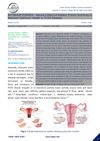 January 2020 in “Asian Journal of Basic Science & Research”
 This review discusses the role of Nutrease powder in managing hormonal disturbances in polycystic ovary syndrome and reports no new clinical results.
 November 2018 in “International Journal of Current Pharmaceutical Research”
 This review discusses the causes, underlying mechanisms, diagnosis, and treatment strategies for polycystic ovary syndrome but reports no new clinical findings.
 January 2018 in “Springer eBooks”
 This chapter reviews the skin side effects associated with targeted cancer therapies and emphasizes the importance of collaboration between oncologists and dermatologists without reporting new results.
 January 2018 in “Springer eBooks”
 This abstract describes the use of lasers in hair transplantation for creating recipient sites and enhancing hair growth but reports no new findings.
 January 2018 in “Elsevier eBooks”
 This chapter reviews various in vitro and laboratory animal models for studying potential therapies for alopecia and reports no new results.
 April 2017 in “Turkish Journal of Pediatric Disease”
 This study found that 20% of children initially diagnosed with premature pubarche were later identified with other conditions like central puberty precox or congenital adrenal hyperplasia during follow-up, emphasizing the importance of ongoing differential diagnosis.
 September 2016 in “Springer eBooks”
 This review discusses the application of mesenchymal stem cells and their secretory factors for skin and hair regeneration and reports no clinical results; the authors highlight the progress and call for practical applications.
 March 2015 in “Zagazig University Medical Journal”
 The study found that CK15 expression, representing hair follicle stem cell activity, was reduced or absent in scarred primary cicatricial alopecia lesions, suggesting stem cell damage may contribute to the scarring process.

In this study, researchers found that alopecia areata is linked to immune cell activation against hair follicle autoantigens and is associated with heart changes and cardiac marker alterations in humans and mice.