50 citations
,
November 2020 in “Physiology & behavior” This review found that patients with depression generally have higher hair cortisol concentrations compared to healthy controls, while those with PTSD tend to have lower concentrations.
 16 citations
,
August 2007 in “Histopathology”
16 citations
,
August 2007 in “Histopathology” This case report describes a functional adrenocortical oncocytoma that co-secreted testosterone and cortisol.
12 citations
,
January 1999 in “Journal of Animal Science” This study observed that combined treatment with thyroxine and hydrocortisone increased lipid accretion and fat cell development in hypophysectomized fetal pigs, suggesting a key role of these hormones in fetal adipogenesis.
 January 2025 in “JCEM Case Reports”
 In this case report, a 21-year-old woman diagnosed with ACTH-independent Cushing syndrome showed improvement in symptoms, including a more regular menstrual cycle and lower hirsutism, after starting treatment with ketoconazole, although she developed hypertension.
 2 citations
,
March 2018 in “INDONESIAN JOURNAL OF CLINICAL PATHOLOGY AND MEDICAL LABORATORY”
2 citations
,
March 2018 in “INDONESIAN JOURNAL OF CLINICAL PATHOLOGY AND MEDICAL LABORATORY” This case report describes a pregnant woman diagnosed with Cushing Syndrome, likely due to an adrenal tumor, whose condition worsened during hospitalization, resulting in heart failure, sepsis, and shock.
 11 citations
,
October 2003 in “Postgraduate Medical Journal”
11 citations
,
October 2003 in “Postgraduate Medical Journal” This study described four cases of delayed diagnosis of Cushing’s syndrome, highlighting that increased clinical awareness and screening could reduce its associated morbidity and mortality.
 40 citations
,
May 2014 in “PLoS ONE”
40 citations
,
May 2014 in “PLoS ONE” This study suggests that chronic stress can lead to decreased skin pigmentation in mice by disrupting the skin's HPA axis, potentially making stress a risk factor for depigmentation.
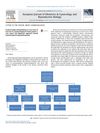 1 citations
,
February 2016 in “European Journal of Obstetrics & Gynecology and Reproductive Biology”
1 citations
,
February 2016 in “European Journal of Obstetrics & Gynecology and Reproductive Biology” This case study reports that medical imaging of the ovaries may not always conclusively identify the cause of postmenopausal hyperandrogenism, as demonstrated by a patient with a rare condition.
 November 2009 in “Journal of Pediatric Nursing”
 This case report describes a 6 1/2-year-old girl with significant height growth and early pubic hair development.
June 2026 in “Quality in Sport” This study reviewed the current understanding of congenital adrenal hyperplasia from 21-hydroxylase deficiency, highlighting the impact of universal newborn screening in reducing mortality and discussing ongoing treatment challenges and future therapeutic prospects.
 November 2024 in “Frontiers in Endocrinology”
 This study used a novel extraction method to detect and measure mineralocorticoids and glucocorticoids in hair follicles, concluding these steroids may serve as effective biomarkers for diagnosing conditions related to steroid excess or deficiency, such as Cushing’s syndrome and congenital adrenal hyperplasia.
August 2016 in “Psychoneuroendocrinology” 25 citations
,
January 1978 in “JAMA” This case report describes a 45-year-old woman who developed Cushing's syndrome and hirsutism after using topically applied desoximetasone (Topicorte).
This study found that hair cortisol concentrations in mother-daughter pairs are a potential biomarker for cortisol responses to chronic stress, with daughter-mother similarities affected by parenting styles and children's symptoms.
 May 2011 in “Journal of The American Academy of Dermatology”
 This research letter observed that patients with severe atopic dermatitis showed normal serum cortisol levels after hospitalization despite continued use of potent topical corticosteroids, though poor adherence may lead to overestimations of actual medication use.
 July 2017 in “Contemporary Endocrinology”
 This article discusses the ongoing care needs for individuals with 21-hydroxylase deficiency due to mutations in the CYP21A2 gene but does not present new clinical findings.
 16 citations
,
May 1998 in “International Journal of Dermatology”
16 citations
,
May 1998 in “International Journal of Dermatology” This study found that elevated serum cortisol levels and other immunological changes are significantly involved in the active phases of psoriasis eruptions.
 May 2016 in “Endocrine Abstracts”
 Proximal hair cortisol is a reliable tool for diagnosing Cushing's Syndrome.
April 2019 in “Journal of the Endocrine Society” This case study describes a 28-year-old woman with ACTH-independent Cushing's syndrome due to an adrenal adenoma, whose symptoms improved significantly after unilateral adrenalectomy.
 1 citations
,
June 2023 in “Psychoneuroendocrinology”
1 citations
,
June 2023 in “Psychoneuroendocrinology” This study found that sexual trauma, particularly occurring between ages 5-7, was significantly associated with blunted hair cortisol levels, revealing a potential critical developmental stage affecting HPA axis function. No significant link was observed between cortisol reactivity and other adverse childhood experiences or stressors.
 1 citations
,
November 2007 in “Humana Press eBooks”
1 citations
,
November 2007 in “Humana Press eBooks” This article reviews the differential diagnosis and management approaches for androgen excess disorders, highlighting the predominance of polycystic ovary syndrome as the underlying cause and reports no new clinical findings.
January 2017 in “Elsevier eBooks” Congenital Adrenal Hyperplasia is mainly caused by enzyme deficiencies, leading to varying symptoms like hormone imbalances and physical changes.
 2 citations
,
November 2011 in “InTech eBooks”
2 citations
,
November 2011 in “InTech eBooks” This article reviews the types and characteristics of adrenal cortex tumors, including their hormone secretion and detection as incidental findings, but presents no new research results.
May 2026 in “Research Square”  11 citations
,
August 2019 in “The Journal of Sexual Medicine”
11 citations
,
August 2019 in “The Journal of Sexual Medicine” This study found that women with nonclassic congenital adrenal hyperplasia (NC-CAH) reported lower sexual function and higher sexual distress compared to those with classic CAH (C-CAH), particularly among those showing signs of androgen excess.
 1 citations
,
July 2024 in “International Journal of Innovative Science and Research Technology (IJISRT)”
1 citations
,
July 2024 in “International Journal of Innovative Science and Research Technology (IJISRT)” In this case report, a 36-year-old woman was diagnosed with iatrogenic Cushing Syndrome caused by topical steroid use, leading to skin ulcers, diabetes, and anemia. Her condition improved after discontinuing the steroids and receiving appropriate treatment.
This case study describes a 30-year-old woman with ACTH-independent Cushing's syndrome from adrenal carcinoma, who showed significant health improvement and normalized tests 18 months after left adrenalectomy.
January 2026 in “Open MIND” This study found that a hair growth rate of 0.75 cm/month better matches retrospective cortisol timelines and identified factors influencing hair cortisol content in children and adolescents.
 46 citations
,
July 1988 in “Journal of The American Academy of Dermatology”
46 citations
,
July 1988 in “Journal of The American Academy of Dermatology” This review discusses various skin lesions associated with endocrinologic disorders such as Cushing's syndrome and adrenal insufficiency, and it reports no new clinical results.