 April 2026 in “bioRxiv (Cold Spring Harbor Laboratory)”
 In this study, periodic exposure to red light in aged mice led to increased histone acetylation and activated mitochondrial fatty acid oxidation, which collectively mitigated cellular aging by modulating metabolism, inflammation, and gene expression.
 March 2026 in “Tissue Engineering and Regenerative Medicine”
 In this review, the authors discuss recent advancements in underwater adhesion technologies, specifically highlighting mussel-inspired catechol-based adhesives, which offer strong underwater bonding through various interfacial interactions and the influence of dopamine-modified polymeric tissue adhesives.
 March 2026 in “The Indian Journal of Animal Sciences”
 This study on Indian dromedary camel breeds investigated the KRTAP7 protein, finding all four breeds shared an identical gene sequence, with 13 phosphorylation and glycosylation sites influencing hair characteristics, alongside predicted interactions with other biosynthesis-related proteins.
 February 2026 in “Scientific Reports”
 This preclinical study found that Mesenchymal Stem Cell-derived Conditioned Media formulations were safe and effective in rat and mouse models for treating chemotherapy- and radiation-induced oral mucositis, demonstrating improved tissue regeneration and healing, most notably at higher concentrations.
 January 2026 in “Journal of Surgery and Research”
 In this study, researchers observed that in a limb ischemia model, vascular transplants preserved for 3 days had better recovery from ischemia-reperfusion injury compared to those preserved for 7 days, with less tissue edema and necrosis.
 November 2025 in “Frontiers in Veterinary Science”
 In this study, feeding H-line chickens a diet with 1.0% tyrosine for 40 days significantly increased melanin deposition in feathers and revealed changes in gene expression related to melanin pathways, suggesting tyrosine's involvement in regulating feather color through the EDNRB2 regulatory network.
 November 2025 in “Journal of Ayurveda and Integrated Medical Sciences”
 This study evaluated an herbal hair dye made from plant-based ingredients, finding it stable, non-toxic, and effective in providing lasting color, improving hair texture, and reducing hair fall, making it a viable and eco-friendly alternative to chemical dyes.
 November 2025 in “Frontiers of Agricultural Science and Engineering”
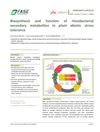
 This study observed that rhizobacterial strain RT3 significantly improved drought tolerance in lettuce by increasing survival rates and fresh biomass after rewatering, with metabolites such as proline and glycine enhancing stress resilience.
 October 2025 in “Folia Morphologica”
 This study found that lymph vessel morphology and density in airways differed based on location and type of epithelium, with the highest density in the ciliated epithelium of the nasal passages and site-specific patterns apparent in both fetal and adult specimens.
 October 2025 in “HAL (Le Centre pour la Communication Scientifique Directe)”
 This research observed that, in domestic cats like Maine Coon and Rex breeds, a "piebald" coat color pattern is likely influenced by the Silver locus, although the specific mutations involved are yet to be published.
 July 2025 in “International Journal of Dermatology Venereology and Leprosy Sciences”
 This review assessed the role of scalp hair Survivin protein in individuals with premature graying, exploring its potential involvement in graying-related processes and highlighting its overexpression in autoimmune diseases that may influence the survival of specific immune cell clones.
 June 2025 in “Asia-Pacific Journal of Molecular Biology and Biotechnology”
 This study used in-silico analyses to investigate papain's potential as a fibrinolytic agent and found that certain fibrin peptides displayed strong interactions with papain, suggesting it may be beneficial for cardiovascular disease treatment.
 March 2025 in “HAL (Le Centre pour la Communication Scientifique Directe)”
 This thesis investigates the underlying mechanisms and treatment options for androgenetic alopecia, highlighting the molecular roles of androgens and genetic predispositions, and evaluates current and emerging therapies, such as PROTACs and Janus Kinase inhibitors, to enhance patient management.
 February 2025 in “Journal of Nutrients”
 This research reviews the scientific literature on bone broth extract, exploring its nutritional composition, potential health benefits, food industry applications, and risks such as heavy metal and antibiotic contamination. Results are not reported in this summary.
 November 2024 in “Journal of Scientific Agriculture”
 This paper reviews the benefits of using silk proteins as natural ingredients in cosmetics, highlighting their potential for improving skin and hair health due to properties like antimicrobial activity, UV resistance, and enhanced moisture absorption.

This review discusses the role of nutrients in hair graying management and finds a possible link between low copper, iron, and vitamin B12 levels and premature hair graying.
This study found that mesotherapy combined with minoxidil for androgenetic alopecia shows promise with high patient satisfaction and manageable risks, though some uncommon side effects may occur.
 April 2024 in “Nepal journal of dermatology, venereology & leprology”
 This article discusses the challenges in understanding and treating premature graying of hair and calls for more extensive research, reporting no new findings.
 March 2024 in “World Journal Of Advanced Research and Reviews”
 This study highlights the potential benefits of herbal hair oil in improving hair health, controlling frizz, and preventing hair loss, with common ingredients like coconut, sesame, and mustard oils being frequently used.
 March 2024 in “Research Square (Research Square)”
 In this study, researchers discovered that the MafB gene, which is important for macrophage differentiation, shows high expression in the pancreas and is influenced by sex steroids, with varied expression patterns in hamster tissues and during reproductive phases.
 February 2024 in “Pharmaceutical research”
 In this in silico study, researchers found that the hair follicle's contribution to dermal permeability of small molecules varies with the lipophilic and hydrophilic properties of substances, highlighting the need for careful characterization of substances filling the follicular route when interpreting experimental permeability data.
 February 2024 in “BioMetals”
 This review found substantial data suggesting that heavy metals may influence tumor development and progression in cancers such as breast, lung, prostate, and gastric, though noted limitations and gaps in research data require further investigation.
This study examined the molecular communication in psoriasis cells, highlighting unique immune cell interactions and identifying new features of the hair follicle cell-psoriasis axis. It suggests the potential for targeted therapies at the single-cell level to improve psoriasis treatment.
 November 2023 in “Frontiers in cell and developmental biology”
 This source reviews mechanisms and existing treatments for hair aging, highlighting factors like oxidative stress and DNA repair defects that affect hair follicle and stem cell function, and discusses research limitations and future directions in the field.
 November 2023 in “Scientific reports”
 This study presents the first report on cloning and characterizing the full-length cDNA of SRD5A1 in Indian catfish (Clarias magur), revealing expression differences across reproductive phases and increased expression post-Ovatide administration in ovaries and testis.
 August 2023 in “Jurnal Pharmacia Mandala Waluya”
 This study examined the effects of purified Albizia saponaria bark extract on hair growth in rabbits, finding that a 20% concentration of the extract increased hair weight significantly, though it was less effective than minoxidil.
 June 2023 in “International journal of research in ayurveda and pharmacy”
 This study explores how Dhatryadi rasayana, a polyherbal formulation with antioxidant properties, may help prevent and treat premature hair greying by addressing factors such as oxidative stress, nutritional deficiencies, and hormone imbalances, potentially through rasayana therapy.
 February 2023 in “Aesthetic Cosmetology and Medicine”
 This review examines the health-promoting effects of medicinal plants used in nutricosmetics, highlighting their beneficial impact on skin physiology, but offers no new clinical results.
This review discusses the potential risks of formaldehyde in hair keratin treatments like Brazilian blow-dry, and reports no new clinical results; it emphasizes the need for greater safety assessments including occupational exposure.
 December 2022 in “Deleted Journal”
 In this study, topical application of keratin extract from wool promoted hair growth in mice by reducing the time for initiation and completion of growth phases and improving hair quality.