 December 2024 in “International Journal on Science and Technology”
 In this study, researchers prepared a poly herbal hair oil using fresh plant leaves, including neem, and reported that these herbal formulations exhibit effective hair growth with fewer side effects compared to synthetic alternatives.
 December 2024 in “Asian Journal of Pharmaceutical and Clinical Research”
 This study reviews the performance and safety of synthetic medications like minoxidil and finasteride compared to herbal remedies such as saw palmetto for treating alopecia, highlighting the need for more research to better understand their therapeutic roles and optimize patient care.
 November 2024 in “International Journal of Biology Pharmacy and Allied Sciences”
 This study aimed to evaluate a herbal shampoo made from custard apple leaves for its physical properties, skin irritability, and foam formation, with a focus on efficacy and safety, particularly for addressing hair issues like lice infection.
 November 2024 in “Research Journal of Pharmacognosy and Phytochemistry”
 This study developed an herbal shampoo using beetroot and sunflower seed extracts, aiming to provide multiple hair benefits compared to conventional shampoos, which typically offer only a single benefit for hair and scalp care.
 November 2024 in “Journal of Natural Remedies”
 This article reviews the use of herbal ingredients in hair care products, highlighting their potential benefits for scalp health, hair growth, and condition, while also discussing challenges such as individual sensitivities and the importance of transparent labeling.
 November 2024 in “International Journal of Pharmaceutical Sciences Review and Research”
 This study evaluated herbal hair gels made with extracts of flax seed and curry leaves, finding that the formulations offered good texture, stability, and sensory appeal while promoting healthy hair and scalp without irritation, making them suitable for regular use.
 October 2024 in “International Journal of Life Science Research Archive”
 This study formulated and evaluated a laboratory-scale herbal shampoo using natural ingredients like Ficus Religiosa and Aloevera, reporting good cleansing, froth stability, and ideal physicochemical properties, though further development is needed to enhance product performance and safety.
 July 2024 in “Annals of Phytomedicine An International Journal”
 In this study, the authors reviewed various herbal ingredients used in hair care products and found that components like aloe vera, hibiscus, amla, and fenugreek have traditional and scientifically validated benefits for addressing hair issues such as hair loss, dandruff, and damage.
 July 2024 in “International Journal of Pharmacognosy and Life Science”
 This review highlights several natural ingredients, including Citrus Sinensis, Nigella sativa, flax seed, and coconut oil, that may promote hair growth and prevent hair loss due to their protective and nourishing properties, focusing on their formulation into hair serum.
 June 2024 in “International Research Journal of Modernization in Engineering Technology and Science”
 This study developed and evaluated a Neem, Tulsi, and Aloe vera-based anti-dandruff shampoo, finding it effective and safe, potentially offering a natural alternative to conventional antifungal shampoos for managing dandruff and maintaining scalp health.
 June 2024 in “International Journal For Multidisciplinary Research”
 This study aims to develop and evaluate herbal shampoo powder made from natural ingredients, focusing on its efficacy in removing debris and dandruff, enhancing hair development and shine, and strengthening and darkening hair. Results are not reported.
 June 2024 in “International Journal of Advanced Research in Science Communication and Technology”
 This study highlights the growing issue of hair loss around the world and explores the potential of using certain herbs, such as Ficus religiosa and coriander seeds, as natural treatments to promote hair growth and manage hair loss, particularly in India, with minimal side effects.
 May 2024 in “International Journal For Multidisciplinary Research”
 The study developed a hair cream using extracts from plants like Hibiscus rosa sinensis and Nigella sativa, reporting that it may protect the scalp and hair by providing antimicrobial effects, promoting hair growth, and preventing hair fall and graying.
 May 2024 in “International Journal of Advanced Research in Science Communication and Technology”
 In this study, the preparation of herbal hair oil from ingredients like Amla, Hibiscus, and Bhringraj was reported to show anti-hairfall properties, along with beneficial effects such as anti-dandruff activity and improved scalp blood circulation, while meeting standard evaluation criteria for stability and organoleptic properties.
 May 2024 in “International Journal of Science and Research Archive”
 This study found that a herbal hair oil prepared using raw herbs in coconut oil may effectively address dandruff and hair fall, attributed to its components like saponins and antioxidants that enhance hair health.
 May 2024 in “Microbial Biosystems Journal”
 This study found that the antifungal potential of six herbal shampoos developed using various phytoconstituents is comparable to marketed synthetic antifungal shampoos in treating Seborrheic dermatitis caused by Candida albicans.
This study suggests that a herbal shampoo made from plant ingredients may be a promising natural remedy for hair fall and dandruff, demonstrating good quality and safety.
 April 2024 in “Pharmacognosy research”
 In this study, researchers developed a herbal hair dye using henna and other natural ingredients that achieved a color similar to natural black on blonde hair, though further testing on various hair shades is needed to explore its full benefits.
 April 2024 in “International Research Journal Of Modernization In Engineering Technology And Science”
 This study identified promising properties of a herbal shampoo formulation, suggesting its potential for human cosmetic use, but notes that further optimization is needed to fully explore its benefits.
 March 2024 in “World Journal Of Advanced Research and Reviews”
 This study highlights the potential benefits of herbal hair oil in improving hair health, controlling frizz, and preventing hair loss, with common ingredients like coconut, sesame, and mustard oils being frequently used.
 March 2024 in “International Journal of Advanced Research in Science, Communication and Technology”
 This review discusses the formulation and evaluation methods of herbal shampoos, highlighting various ingredients and their potential benefits for hair care, but reports no new clinical findings.

This chapter provides an overview of diverse herbal substances used in cosmetics, noting their popularity due to perceived safety over synthetic components, and their roles as antioxidants, anti-inflammatories, antiseptics, antibacterials, and in enhancing hair and skin health.
 February 2024 in “Journal of applied pharmaceutical research”
 This study formulated herbal hair oils using extracts such as Coconut and Amla, observing significant improvements in hair growth promotion, antioxidant, and antimicrobial properties in animal models, suggesting potential natural remedies for hair care with further research needed for human application.
 February 2024 in “International journal of biology, pharmacy and allied sciences”
 This review discusses the potential of plant-based preparations for treating hair loss and reports no new clinical results; the authors highlight herbs with evidence of efficacy against alopecia.
 February 2024 in “International Journal of Progressive Research in Engineering Management and Science”
 This study evaluated a herbal shampoo containing fermented rice water and traditional herbs and found it to be safe, effective, and efficient in treating hair loss, with pronounced results in foaming, washing, and environmental friendliness.
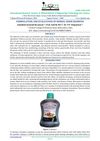 January 2024 in “International Research Journal of Modernization in Engineering Technology and Science”
 This study formulated a poly-herbal shampoo using ingredients like hibiscus, neem, and alo-vera and evaluated its cosmetic properties, reporting positive organoleptic and physico-chemical characteristics, with the potential for safe use as a hair cleansing and conditioning product.
 January 2024 in “International Research Journal of Modernization in Engineering Technology and Science”
 This review suggests that combining nanotechnology with herbal components in hair cosmetics may improve the delivery and effectiveness of treatments for issues like damage, dandruff, and hair loss.
 January 2024 in “International Journal of Research Publication and Reviews”
 The herbal hair serum with rosemary, hibiscus, and neem is safe and effective for hair care.

This study evaluated various herbal blends of powdered leaves, including Henna and Indigo, for their coloring and sensitivity reactions, finding Henna and Indigo to be effective natural colorants for achieving a reddish-brown hair color with better retention than marketed herbal hair dyes.
 January 2024 in “Open access journal of pharmaceutical research”
 This study aimed to develop a herbal hair oil formulation using ingredients like hibiscus, amla, and coconut oil to address hair loss and related issues without causing the adverse effects associated with synthetic medications.