January 2018 in “Digital Scholarship - UNLV (University of Nevada Reno)” This study found significantly higher hair cortisol concentrations in black children compared to white children aged 1-4 years, suggesting racial differences in cumulative stress as measured by hair cortisol.
This study found low concordance between distal and proximal hair cortisol concentrations during early pregnancy, particularly when measured with different assay methods.
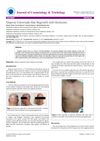 January 2017 in “Journal of cosmetology & trichology”
 This case study describes a man with long-standing alopecia universalis who experienced hair regrowth after taking testosterone, chorionic gonadotropin, and DHEA-S.
May 2016 in “Journal of pediatric nursing” This case report highlights the need to consider complementary and alternative medicine use in endocrine evaluations, as stopping lavender oil use coincided with normalization of a concerning lab finding in a girl with precocious puberty signs.
 January 2016 in “Springer eBooks”
 A 19-year-old male with delayed puberty was successfully treated for a condition that prevents normal hormone production.
This study found that hair cortisol concentrations in mother-daughter pairs are a potential biomarker for cortisol responses to chronic stress, with daughter-mother similarities affected by parenting styles and children's symptoms.
 August 2013 in “Fertility and Sterility”
 This study found that women with PCOS have higher follicular fluid levels of testosterone and IL-6, despite similar NEFA levels to non-PCOS women, suggesting increased lipotoxicity impact on androgenesis in PCOS.

This case study reports an unusual presentation of erosive lichen planus of the scalp linked to hepatitis C in a patient, highlighting challenges in establishing a definitive correlation between the two conditions.
April 2005 in “Journal of Investigative Dermatology” This compilation reviews multiple dermatologic studies, reporting findings such as the lack of a psoriasis-susceptibility allele in cluster 17, and highlighting a mouse model for studying hair follicle formation, among others.
 July 1976 in “Archives of Dermatology”
 This letter argues that the lymphangitis reported from using cantharidin on warts is instead a case of aseptic necrosis common to other aggressive wart treatments.
 July 1976 in “Archives of Dermatology”
 This article explores whether juxta-clavicular beaded and cutis punctata linearis colli are the same condition, finding both similarities and differences, but reports no new definitive findings.
 July 1976 in “Archives of Dermatology”
 This correspondence reports that using cantharidin on warts can result in lymphangitis, and dermatologists should consider all potential complications of treatments.

In this correspondence, the authors reported that patients on a 500-calorie crash diet with rapid weight loss experienced significant hair loss, which began months after dieting and gradually improved.
 July 1975 in “Archives of Dermatology”
 This letter to the editor describes two cases where stopping tetracycline treatment coincided with the disappearance of multiple flat warts on the face in young women.
May 2022 in “Dermatology practical & conceptual” This study developed new graded visual scales integrating macroscopic and trichoscopic images for assessing the severity of androgenetic alopecia in men and women, potentially aiding in more objective disease evaluation.

This study found that both finasteride and low level laser therapy were similarly effective in improving hair regrowth for frontal pattern hair loss in men and women over a 3-month period.
99 citations
,
September 2007 in “The American journal of pathology” This study found that organ-cultured human scalp hair follicles can mimic chemotherapy-induced damage in vivo and serve as a model to explore molecular targets and protective agents for hair follicle preservation.
 56 citations
,
October 2018 in “Journal of The American Academy of Dermatology”
56 citations
,
October 2018 in “Journal of The American Academy of Dermatology” This review discusses the role of androgens in women's skin-related conditions like acne, hirsutism, and female pattern hair loss, noting the lack of dermatology guidelines for when to pursue endocrinologic evaluation.
 30 citations
,
June 1988 in “Journal of Steroid Biochemistry”
30 citations
,
June 1988 in “Journal of Steroid Biochemistry” This study found that combining Flutamide and an LHRH agonist in adult male rats effectively inhibited prostatic growth and reduced androgen-sensitive prostatic activity markers to levels similar to castrated rats.
19 citations
,
September 2021 in “British journal of dermatology/British journal of dermatology, Supplement” This study suggests that pretreatment with a PPAR-γ modulator may prevent damage to hair follicle stem cells caused by a chemotherapy metabolite, potentially offering a strategy to mitigate permanent chemotherapy-induced alopecia.
 19 citations
,
July 2015 in “Journal of Ginseng Research”
19 citations
,
July 2015 in “Journal of Ginseng Research” In this study, Korean Red Ginseng showed protective effects against chemotherapy-induced premature hair follicle aging in an in vitro model by modulating specific cellular protein expressions.
18 citations
,
August 2008 in “Journal of Investigative Dermatology” 17-β estradiol and prednisolone may speed up hair regrowth after chemotherapy.
15 citations
,
March 2019 in “Veterinary Dermatology” This study found that three mousse products containing chlorhexidine and varying antifungal components maintained significant antibacterial activity against S. pseudintermedius in vitro for up to 10 days, while other mousses did not show significant differences.
 11 citations
,
January 2020 in “Micro and Nanosystems”
11 citations
,
January 2020 in “Micro and Nanosystems” This study found that transethosomal gel loaded with propranolol hydrochloride prolonged drug release and increased peak plasma concentration compared to an oral tablet, suggesting a promising alternative for delivery.
3 citations
,
August 2008 in “PubMed” This study found that digital perm treatments using sodium thioglycolate lotion led to the most significant reduction in protein content and greater hair damage compared to other methods and lotions.
1 citations
,
January 2024 in “Veterinary Science and Medicine Journal” In this case study, a 2-year-old mixed breed dog with ehrlichiosis was treated successfully with a combination of doxycycline, symptomatic therapies, and environmental measures to eradicate Rhipicephalus sanguineus ticks, resulting in improved symptoms and no further tick infestation.
 1 citations
,
January 2015 in “Springer eBooks”
1 citations
,
January 2015 in “Springer eBooks” Chemotherapy can cause skin side effects that affect patients' lives, but they can be managed to avoid interrupting cancer treatment.
 April 2023 in “Journal of Investigative Dermatology”
 This study found that ALRN-6924 effectively protected human hair follicles from cyclophosphamide-induced damage in an ex vivo setting, suggesting it may reduce both acute and permanent chemotherapy-induced alopecia.
January 2015 in “프로그램북(구 초록집)” This study found that Korean Red Ginseng may protect against chemotherapy-induced alopecia by reducing hair follicle damage in a human hair follicle organ culture model.
August 2025 in “Journal of Industrial and Engineering Chemistry” A new topical finasteride formulation effectively promotes hair growth with fewer side effects.