 1 citations
,
July 2023 in “Psychoneuroendocrinology”
1 citations
,
July 2023 in “Psychoneuroendocrinology” This study found that hair cortisol concentration is consistently associated with salivary cortisol output throughout the day, making it a potential reliable biomarker of long-term cortisol secretion.
 1 citations
,
February 2023 in “International journal of research - granthaalayah”
1 citations
,
February 2023 in “International journal of research - granthaalayah” This study reports that electromagnetic energy from a hydrocolloid wound dressing paste adversely affected human skin lipid droplets in vitro, but the implications, including potential cancer links, are unknown.
 1 citations
,
May 2018 in “Clinical chemistry”
1 citations
,
May 2018 in “Clinical chemistry” This case report described a 9-year-old girl initially suspected to have complete androgen insensitivity syndrome, whose laboratory tests later suggested an alternative diagnosis involving atypical steroid metabolism patterns and hormonal responses.
1 citations
,
September 2016 in “Brain Behavior and Immunity” Hair cortisol levels can indicate stress and are affected by washing frequency, not cosmetic treatments.
 1 citations
,
January 2015 in “Hair therapy & transplantation”
1 citations
,
January 2015 in “Hair therapy & transplantation” This investigation found that certain supplements, particularly whey protein isolate, growth hormones, and anabolic steroids, can negatively impact hair loss by affecting biochemical pathways.
1 citations
,
January 2003 in “Benjamins eBooks” This study found no significant difference in hair cortisol concentrations between sows confined in farrowing crates and those in loose-housing systems, suggesting confinement may not affect chronic stress levels.
 1 citations
,
July 1976 in “Archives of Dermatology”
1 citations
,
July 1976 in “Archives of Dermatology” In this correspondence, an observed pattern of significant hair shedding occurred four to six weeks after women discontinued chorionic gonadotropin and a 400-calorie diet, ruling out other common causes of telogen effluvium.
 1 citations
,
April 1976 in “Archives of Dermatology”
1 citations
,
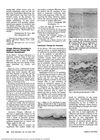
April 1976 in “Archives of Dermatology” Sudden weight loss can cause significant hair loss, and using colchicine on the skin for psoriasis may be unsafe.
 May 2019 in “The Journal of Sexual Medicine”
 This study found no baseline factors that predicted flibanserin efficacy for HSDD, though low testosterone or use of hormonal contraceptives were associated with reduced efficacy.
 April 2013 in “e-Competitions Bulletin”
 In 2013, the FTC settled with hair company Bosley over claims it illegally shared business information with a competitor.
 July 2025 in “Revista Eletrônica Acervo Científico”
 This integrative literature review found that hydroxychloroquine may stabilize inflammatory scarring autoimmune alopecias like frontal fibrosing alopecia, especially when combined with other therapies, while its effectiveness in non-scarring alopecias appears inconsistent and is limited to refractory cases.
 October 2023 in “BMC endocrine disorders”
 In this case study, researchers observed a 5.8-year-old male with peripheral precocious puberty due to a germ cell tumor, marked by elevated human chorionic gonadotropin levels. Treatment normalized hormone levels and arrested the puberty progression, highlighting melatonin's potential role in transitions to central precocious puberty.
 July 2026 in “International Journal of Science and Research (IJSR)”
 In this study, women with PCOS were found to have higher BMI, insulin resistance, and homocysteine levels, which are key predictors of the condition.
June 2026 in “Comprehensive Psychoneuroendocrinology” This study explored the relationship between menopause symptoms and hair cortisol concentrations among midlife Latinas, finding that vasomotor symptoms were associated with higher hair cortisol levels, suggesting a link warranting further investigation with larger sample sizes and multiple time points.
June 2026 in “Comprehensive Psychoneuroendocrinology” In this study, researchers observed a curvilinear relationship between loneliness and hair cortisol concentration among older adults at elevated cardiovascular risk, with cortisol levels higher at low-to-moderate loneliness and lower at higher loneliness, though results were sensitive to some data exclusions.
June 2026 in “Journal of Investigative Dermatology” This study reported that the anti-γc antibody hC2 restored hair follicle homeostasis and suppressed hair loss in an AA-like mouse model by inhibiting autoreactive T-cell activity, suggesting that hC2 may offer a safer and more effective treatment for alopecia areata compared to current Jak inhibitors.
 May 2026 in “Indian Journal of Medical Biochemistry”
 This review highlights that hair cortisol levels, linked to pregnancy changes and higher in conditions like PCOS, are promising stress biomarkers in female reproductive health, though further research is needed.
 May 2026 in “The Knowledge Bank (The Ohio State University)”
 This study observed significantly higher hair cortisol concentrations in foals compared to mares, with a strong positive correlation between the two, suggesting that hair cortisol can reflect maternal and fetal cortisol exposure during the last trimester of gestation in horses.
 April 2026 in “Journal of Experimental Psychopathology”
 This study suggests that hair cortisol concentration may not reliably indicate psychological distress or differentiate clinical from non-clinical populations, as observed in a female PhD student over nine years.
February 2026 in “Psychoneuroendocrinology” Lower family income is linked to more stress in parents and more behavior problems in children.
January 2026 in “Psychoneuroendocrinology” Lye relaxers don't significantly change hair cortisol levels.
January 2026 in “Neuroscience Applied” Hair cortisol levels decrease as children age, stabilizing around age 4.
January 2026 in “Open Science Framework” This study examines various methodological factors affecting hair cortisol concentration analysis, finding inconsistent results on the impact of factors like resuspension solution, hair weight, extraction duration, and hair-cutting method.
November 2025 in “The Journal of Immunology” In a murine model of alopecia areata, this study observed that the IL-2 fusion protein HCW9302 helped prevent disease development by expanding regulatory T cells and reducing disease-causing effector T cell infiltrates, suggesting potential for using IL-2 fusion proteins in alopecia areata treatment.
October 2025 in “Environment International” This study reports that prenatal and prepubertal exposure to organochlorine compounds and perfluoroalkyl substances may affect pubertal development at age 12, with observed changes in development patterns in both girls and boys, highlighting the need for further research.
 October 2025 in “Journal of Veterinary Diagnostic Investigation”
 This study found that in domestic cats, black hair contained significantly higher cortisol concentrations than white hair, whereas ginger hair showed no significant difference compared to white hair. Additionally, a positive correlation was reported between hair cortisol levels and behavioral issues mentioned by cat owners.
 July 2025 in “Medical Science”
 This review discusses recent studies on the hepatotoxic effects of anabolic androgenic steroids and selective androgen receptor modulators, including liver damage, tumors, and related conditions, and reports no new primary research results.
July 2025 in “Journal of Investigative Dermatology” Enhancing Tregs can protect against alopecia areata.
 May 2025 in “International Medical Case Reports Journal”
 This case report highlights lichen planus pigmentosus in a 60-year-old man, which was linked to previously undetected hepatitis C infection and liver cirrhosis, suggesting a need for hepatitis C testing in patients with similar dermatological manifestations.
January 2025 in “Dermatology Research and Practice” In this research, RNA expression analysis of scalp biopsies from lichen planopilaris patients revealed changes in specific genes after treatments with hydroxychloroquine, narrow band UVB, or low level laser light therapy, suggesting potential biomarkers and implicating M2 macrophages in the disease's immunopathogenesis.