 August 2025 in “Tobacco Induced Diseases”
 This study reported that active smokers, including e-cigarette and hookah users, had worse skin quality with more wrinkles and pigmentation compared to ex-smokers and non-smokers, suggesting smoking negatively impacts skin health and may motivate cessation efforts.
 April 2024 in “International journal of medical science and clinical research studies”
 In this review, the authors examine current treatments for acne in adult women with polycystic ovarian syndrome, noting that the combination of hyperandrogenism and metabolic issues in PCOS can lead to acne formation on the face, chest, and back.
 January 2023 in “Frontiers research topics”
 This article describes the Frontiers journal series, highlighting its open-access approach and tiered publishing system, but it presents no new empirical findings.
 1 citations
,
May 2002 in “British Journal of Dermatology”
1 citations
,
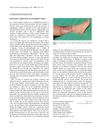
May 2002 in “British Journal of Dermatology” This article provides an overview of hair density, hair diameter, and the prevalence of female pattern hair loss but reports no new clinical findings.
 January 2020 in “Durham e-Theses (Durham University)”
 This study concluded that UK law falls short in ensuring effective workplace equality for individuals with visible differences, suggesting amendments to the definition of disability and other legal reforms as potential solutions.
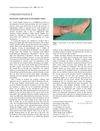 May 2002 in “British Journal of Dermatology”
 A pregnant woman's skin condition improved after giving birth, possibly due to high estrogen levels during pregnancy.
 May 2002 in “British Journal of Dermatology”
 This brief article is a response from the authors about hair density, hair diameter, and female pattern hair loss, and it reports no new clinical findings.
 101 citations
,
October 2016 in “Nanomedicine: Nanotechnology, Biology and Medicine”
101 citations
,
October 2016 in “Nanomedicine: Nanotechnology, Biology and Medicine” This review reports on the dual aspect of fullerene in skincare, highlighting its beneficial antioxidant properties as well as potential toxicity and skin cell reactions, while identifying areas for future research.
13 citations
,
April 2021 in “Value in Health” This review categorizes 59 modifications of the Dermatology Life Quality Index across multiple studies, highlighting the need for further validation of these customized health-related quality of life tools in dermatology.
 10 citations
,
March 2015 in “PubMed”
10 citations
,
March 2015 in “PubMed” This paper demonstrates that scalp micropigmentation can effectively conceal scalp and hair deformities with high patient satisfaction, offering a non-surgical alternative cosmetic solution.
2 citations
,
September 2025 in “Frontiers in Nutrition” This review reports that various bioactive compounds in Aloe vera demonstrate significant anti-inflammatory, antioxidant, antibacterial, and immunomodulatory effects, supporting its validated use in treating metabolic disorders, gastrointestinal recovery, dermatological conditions, and wound healing due to its nutritional and therapeutic properties.
4 citations
,
March 2022 in “Cosmetics” This review suggests that a dual treatment approach using Nourella® cream with nano-encapsulated Retilex-A® and per-oral Vercilex® tablets may effectively improve skin thickness, elasticity, and overall rejuvenation in aging skin, as shown in interventional studies.
36 citations
,
July 2022 in “Stem Cell Research & Therapy” This study concluded that using adipose tissue-derived stromal vascular fraction significantly improved acne scars by increasing collagen content and skin thickness compared to nanofat alone.
 18 citations
,
June 2019 in “Clinical research in dermatology”
18 citations
,
June 2019 in “Clinical research in dermatology” This review discusses psychological impacts associated with facial acne, noting that high levels of anxiety and depression among these patients are not linked to oxidative stress, and reports no new clinical results.
1 citations
,
February 2024 in “Cosmetics” In this review, researchers explored the potential of cannabinoids, particularly cannabidiol, as a holistic treatment for acne vulgaris, highlighting their lipostatic, anti-inflammatory, antiproliferative, and antimicrobial effects in modulating acne-related factors like sebum production and inflammation.
1 citations
,
January 2024 in “Fibrosis” This review examines advancements in hydrogel formulations aimed at preventing dermal fibrosis and promoting scarless wound healing, highlighting their role in regulating myofibroblast differentiation and controlling the wound microenvironment.
January 2025 in “Cosmetics” In this study, a systematic review highlighted the potential of exosomes in cosmetics and regenerative medicine for improving skin rejuvenation and addressing aging, while also pointing out existing challenges such as regulatory hurdles and the need for more clinical validation.

This review explores the potential of regenerative cosmetics, specifically engineered skin tissues, for rejuvenating aging skin, healing wounds, and restoring hair, offering promising alternatives to traditional dermocosmetic treatments by promoting collagen production, reducing wrinkles, and regenerating hair follicles.
May 2024 in “International journal of molecular sciences” This review synthesizes evidence on platelet-derived bioproducts like PRP and PRF, highlighting their role in tissue regeneration and their benefits in aesthetic medicine applications such as hair restoration, scar treatment, and wound healing.
April 2024 in “International journal of molecular sciences” This narrative review discusses the promising role of photobiomodulation in dermatology, emphasizing its non-invasive nature and potential benefits, but acknowledges the need for further research to establish standard protocols.
April 2024 in “Surgical Techniques Development” This article describes the significance of the Italian Association of Plastic Aesthetic Surgery's annual congress in European aesthetic plastic surgery, but reports no new research findings.
8 citations
,
February 2025 in “Pharmaceuticals” This source reviews the potential of polyphenols as therapeutic and preventive treatments for common skin disorders such as acne, fungal infections, dermatitis, alopecia, and skin cancer, emphasizing their anti-inflammatory and antimicrobial effects and ability to penetrate the skin barrier.
1 citations
,
July 2025 in “Cosmetics” This review highlights the multifunctional benefits of plant-derived ingredients in skincare, such as antioxidant and anti-inflammatory effects, supported by biological evidence from medicinal plants like Camellia sinensis and Panax ginseng, suggesting their potential as natural dermocosmetic agents.
 February 2026 in “Phycology”
 This review highlights the potential of microalgae as sustainable sources for nutraceuticals and cosmeceuticals, emphasizing their applications in functional foods, dietary supplements, and cosmetics for roles such as anti-aging and photoprotection in alignment with sustainability principles.
 308 citations
,
December 2018 in “PLOS Genetics”
308 citations
,
December 2018 in “PLOS Genetics” This study identified three novel genetic loci associated with PCOS and found similar genetic architecture across different diagnostic criteria, with evidence suggesting genetic links between PCOS and various metabolic and psychological traits.
 258 citations
,
July 2016 in “Reproductive Biology and Endocrinology”
258 citations
,
July 2016 in “Reproductive Biology and Endocrinology” This abstract reviews the characteristics and health risks associated with polycystic ovary syndrome and does not report new findings, highlighting the syndrome's multifactorial nature.
 253 citations
,
March 2006 in “The Journal of Clinical Endocrinology and Metabolism”
253 citations
,
March 2006 in “The Journal of Clinical Endocrinology and Metabolism” This review discusses the hypothesis that polycystic ovary syndrome may originate in fetal life due to prenatal androgen exposure, but reports no new clinical results.
 195 citations
,
June 2005 in “American Journal of Human Genetics”
195 citations
,
June 2005 in “American Journal of Human Genetics” Genetic variation in the androgen receptor gene mainly causes early-onset hair loss, with maternal inheritance playing a key role.
194 citations
,
November 2006 in “Science” This study identified a gene mutation in the LIPH gene associated with inherited hair loss and hair growth defects in certain populations, suggesting lipase H plays a role in hair development.
191 citations
,
December 2003 in “Journal of Investigative Dermatology” Male pattern baldness is largely genetic, linked to the androgen receptor gene, and may relate to certain health issues.