October 2023 in “University of Zadar Institutional Repository” This article reviews androgenetic alopecia, detailing its genetic and hormonal causes, clinical presentations, diagnosis, and treatment options, but it reports no new clinical findings.
 July 2021 in “Archives of Dermatological Research”
 This study found that serum GPER-1 levels were significantly higher in patients with androgenetic alopecia compared to healthy controls, suggesting a potential role in the condition's pathogenesis, independent of gender.
 April 2018 in “Journal of Investigative Dermatology”
 This study found that high skin expression of amphiregulin in acute graft-versus-host disease was associated with severe disease grade, poor overall survival, and increased non-relapse mortality.
 19 citations
,
November 1971 in “Clinica Chimica Acta”
19 citations
,
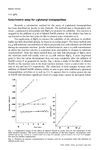
November 1971 in “Clinica Chimica Acta” In this study, the researchers found that the absence of the NFI-C transcription factor delayed the hair growth cycle in mice by affecting key gene expressions and signaling pathways.
 3 citations
,
November 2021 in “Journal of The American Academy of Dermatology”
3 citations
,
November 2021 in “Journal of The American Academy of Dermatology” This article discusses hormonal mechanisms underlying androgenetic alopecia but does not report any new findings; it reviews the roles of dihydrotestosterone and available FDA-approved treatments.
158 citations
,
January 2003 in “Journal of Forensic Sciences” This study demonstrates that a single exposure to GHB during a sexual assault can be detected by analyzing hair segments collected about one month after the incident.
 86 citations
,
February 2009 in “Journal of Neuroscience”
86 citations
,
February 2009 in “Journal of Neuroscience” This study found that during late pregnancy in rats, there is an increase in extrasynaptic GABA A receptor number in granule cells of the dentate gyrus, linked to hormonal fluctuations.
January 2012 in “Journal of Northwest A & F University” In this study, the researchers observed that Eda mRNA expression in goat skin peaks during the catagen phase of the hair cycle, suggesting its involvement in hair cycle regulation.
This article explores the potential applications of polyglutamic acid in cosmetics, discussing its benefits for skincare and haircare, but reports no new experimental results.
 September 2024 in “Journal of the American Academy of Dermatology”
 In this study, a novel compound named AH-001 demonstrated effective androgen receptor protein degradation, reducing hair loss progression in a mouse model of androgenetic alopecia, with minimal systemic exposure and side effects, suggesting potential for safer treatment.
 9 citations
,
September 2014 in “Cancer Epidemiology, Biomarkers & Prevention”
9 citations
,
September 2014 in “Cancer Epidemiology, Biomarkers & Prevention” This study found that men without prostate cancer carrying the A-allele of SNP rs1204038 had a 65% higher risk of PSA levels above 3 ng/mL compared to those with the G-allele, increasing referrals for further examination.
July 2020 in “Journal of Tissue Engineering and Reconstructive Surgery” 1 citations
,
May 2013 in “PubMed” This study found that glycylglycine treatment improved hair softness by enhancing hair alignment and altering internal fiber properties among Japanese women with typically coarse hair.
 14 citations
,
November 2013 in “Journal of the American Society for Horticultural Science”
14 citations
,
November 2013 in “Journal of the American Society for Horticultural Science” This study observed that glycine inhibited root growth and stimulated root hair development in habanero pepper seedlings, with ethylene signaling suggested to mediate these effects.
 26 citations
,
November 2009 in “Journal of Endocrinological Investigation”
26 citations
,
November 2009 in “Journal of Endocrinological Investigation” This study found no significant difference in the CAG and GGN repeat lengths between infertile and fertile men in Nigeria, but identified a unique GGN allele distribution in the Nigerian population compared to Caucasians.
January 2025 in “Figshare” This meta-analysis concluded that compound glycyrrhizin combined with conventional treatments improved hair regrowth in patients with alopecia areata, though it was associated with mild adverse events like edema.
June 2024 in “Current Developments in Nutrition” In this study, KeraGLO, a nutritional supplement with hydrolyzed keratin, was shown to significantly improve skin wrinkle depth, smoothness, moisture, firmness, and hair health in healthy adult females over a 90-day period at both 500mg and 1000mg doses compared to baseline.
In this study, a newly designed protein degrader targeting androgen receptors showed promise in reversing hair regrowth inhibition in a mouse model of androgenetic alopecia, suggesting potential as a novel and safe treatment strategy.
 11 citations
,
October 2021 in “Carbohydrate Polymers”
11 citations
,
October 2021 in “Carbohydrate Polymers” In this study, WGBP-A2 polysaccharides from Ginkgo biloba leaves promoted hair growth and altered inflammation markers in alopecia areata mice, suggesting potential therapeutic effects through modulation of inflammation pathways.

This study observed that a combination of sinapic acid and glabridin from Zhimo herbal extract improved hair growth and reduced oxidative stress in a DHT-induced model of androgenetic alopecia in mice by preventing ferroptosis and stabilizing β-Catenin, offering potential application for AGA treatment.
6 citations
,
April 2023 in “Current Issues in Molecular Biology” This study identified three variants in the HR gene among Mexican patients with alopecia areata, with one novel variant potentially serving as a risk factor for the disease.
5 citations
,
April 2022 in “Evidence-based Complementary and Alternative Medicine” This study explored the mechanism of Shaoyao Gancao decoction in treating alopecia areata and found that it may be closely related to the PI3K/AKT signaling pathway.
 76 citations
,
April 2005 in “Cancer Epidemiology, Biomarkers & Prevention”
76 citations
,
April 2005 in “Cancer Epidemiology, Biomarkers & Prevention” This study found that the AR-E211 A allele is associated with a lower risk of both metastatic prostate cancer and androgenetic alopecia in an Australian population.
In this study, researchers found that during late pregnancy, neuroactive steroid fluctuations increase the number of extrasynaptic GABAA receptors in rat hippocampal cells.
 1 citations
,
September 2023 in “Clinical, cosmetic and investigational dermatology”
1 citations
,
September 2023 in “Clinical, cosmetic and investigational dermatology” This genome-wide association study identified several genetic markers, including specific SNPs and HLA genotypes, associated with alopecia areata susceptibility in the Taiwanese population, highlighting key pathways involved in immune response and offering insights into the genetic origins of this autoimmune condition.
June 2026 in “Health Science Reports” This review proposes a theoretical model for treating androgenetic alopecia using STEAP3 protein, based on recent findings about genetic mutations affecting molecular pathways, but emphasizes that this hypothesis needs validation through laboratory and clinical studies.
9 citations
,
October 2017 in “Frontiers in plant science” This study found that the peach gene CTG134 mediates auxin-ethylene crosstalk, affecting root hair growth and hormone-regulated processes in plants.
135 citations
,
March 2000 in “Journal of Biological Chemistry” This review discusses the roles of the Agouti and Agouti-related proteins in pigmentation and energy regulation and reports no new experimental findings.
 1 citations
,
January 2016 in “Asian-Australasian journal of animal sciences”
1 citations
,
January 2016 in “Asian-Australasian journal of animal sciences” In this study, the expression of Gnαs was significantly higher in black mice compared to white mice, suggesting its potential involvement in coat color formation in mice.
 3 citations
,
March 2016 in “Journal of Cosmetic Dermatology”
3 citations
,
March 2016 in “Journal of Cosmetic Dermatology” This study found that the penta-peptide Gly-Pro-Ile-Gly-Ser increased the proportion of thick hair and improved baldness appearance in Japanese men with androgenetic alopecia.