 3 citations
,
October 2021 in “International Journal of Research in Ayurveda and Pharmacy”
3 citations
,
October 2021 in “International Journal of Research in Ayurveda and Pharmacy” This study reviewed the pharmacological properties of Priyaladi lepa, an Ayurvedic formulation, and reported its potential anti-dandruff benefits due to anti-inflammatory, anti-fungal, anti-microbial, anti-pruritic, antioxidant, and exfoliation effects, warranting further research for managing Darunaka (dandruff).
 December 2025 in “International Journal of Ayurvedic Medicine”
 This review reports that Fenugreek seeds contain compounds like Galactomannan and Trigonelline, which show anti-diabetic and anti-hyperlipidemic effects, while Fenugreek leaves have high saponin content, contributing to their anti-microbial activities.
January 2026 in “Journal of Nanomaterials” 7 citations
,
September 2024 in “PLANT PHYSIOLOGY” This study in Arabidopsis thaliana found that exposure to volatile compounds from Penicillium aurantiogriseum promotes root hair growth through signaling involving RALF22, ethylene, auxin, and photosynthesis, and that RALF22 plays a crucial role in the plants' response to these compounds.
 4 citations
,
January 2022 in “Journal of nanomaterials”
4 citations
,
January 2022 in “Journal of nanomaterials” In this study, silver nanoparticles prepared using Ziziphus nummularia fruit extract showed higher hair growth activity and were more effective against Gram-positive bacteria compared to other extracts.
 January 2023 in “Open journal of pediatrics”
 In this case report, a 7-month-old girl with suspected acrodermatitis enteropathica and severe dermatitis experienced a tragic outcome despite zinc treatment, highlighting the challenges of diagnosing and managing this rare genetic disorder.
November 2024 in “The Journal of Dermatology” This study observed that in children with persistent kerion, ingrown hairs could be identified with a dermatoscope and their removal often improved the condition, suggesting that ingrown hairs might be an aggravating factor in the persistence of this fungal infection.
August 2025 in “Asian Journal of Pharmaceutical Research and Development” This study scientifically evaluated a polyherbal hair oil made with amla, hibiscus, curry leaves, and coconut oil, finding it to have promising antioxidant and antimicrobial activity that may provide benefits like anti-hair loss and anti-dandruff effects.
16 citations
,
September 2015 in “International Journal of Molecular Sciences” In this study, a genetic analysis identified a pathogenic variant in the ALOXE3 gene associated with non-bullous congenital ichthyosiform erythroderma, and the patient's response to antifungal treatment highlights the risk of cutaneous fungal infections.
11 citations
,
January 2014 in “Open journal of veterinary medicine” In these clinical cases, topical propolis treatment effectively resolved canine dermatophytosis, including hair regrowth, with no known side effects, suggesting it as a promising natural treatment option.
 1 citations
,
July 2022 in “International Journal of Environmental Research and Public Health”
1 citations
,
July 2022 in “International Journal of Environmental Research and Public Health” This study observed seasonal trends in Poland's Google searches for dermatology-related terms and noted a decrease in searches for sexually transmitted diseases despite rising infection rates, highlighting a need for better sexual education.
 1 citations
,
January 2022 in “Turkiye Klinikleri Journal of Dermatology”
1 citations
,
January 2022 in “Turkiye Klinikleri Journal of Dermatology” This study observed shifts in dermatological disease frequencies amid early COVID-19 pandemic lifestyle changes, noting significant increases in urticaria, drug eruptions, and alopecia areata, while bacterial and fungal infections decreased.

This review concluded that the efficacy of cosmeceutical hair serums for addressing hair loss lies in their use of bioactive peptides and plant compounds, like flavonoids and sterols, that target eight key contributing factors identified in hair loss conditions.
5 citations
,
October 2021 in “American Journal of Medical Genetics Part A” This case report identifies a novel maternally inherited MBTPS2 variant associated with an expanded phenotypic spectrum of BRESHECK syndrome, including cytopenias, bone marrow fibrosis, and chronic diarrhea.
 May 2015 in “Journal of The American Academy of Dermatology”
 The treatments for fungal nail infection, hair loss in men, benign nail tumor, and chemotherapy-associated nail bed inflammation are effective and safe.
 January 2018 in “Springer eBooks”
 Terbinafine is the most effective medicine for fungal nail infections, especially for diabetics and those with weak immune systems.
 3 citations
,
January 2015 in “Journal of clinical and diagnostic research”
3 citations
,
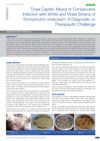
January 2015 in “Journal of clinical and diagnostic research” This case report described a seven-year-old with tinea capitis, which improved clinically after six weeks of griseofulvin treatment, changing the fungal strain from Trichophyton violaceum white variant to violet strain.
 January 2025 in “International Journal of Advanced Biochemistry Research”
 This study found that in dogs with dermatological disorders, fungal dermatitis was diagnosed in 20.77% of cases, with Microsporum spp. being the most common fungal pathogen, emphasizing the need for thorough diagnostic approaches including clinical, microscopic, and cultural assessments.
 6 citations
,
April 1985 in “Australasian journal of dermatology”
6 citations
,
April 1985 in “Australasian journal of dermatology” This report describes a rare scalp condition in children with features similar to tinea capitis but shows negative fungal cultures, and suggests possible slow improvement with griseofulvin in two cases.
 August 2019 in “International journal of current microbiology and applied sciences”
 This study found that among 86 skin scrapings from various dog breeds with ringworm lesions, Microsporum species were the predominant fungal infection, with Labradors showing the highest infection rate. Miconazole was most effective in antifungal susceptibility tests.
 January 2024 in “International Journal of Environment Agriculture and Biotechnology”
 In this study, organic garlic was found to have higher levels of bioactive elements and stronger antimicrobial properties compared to chemically grown garlic, highlighting the benefits of organic cultivation for enhancing garlic's nutritional and health-promoting qualities.
 22 citations
,
January 2009 in “Medical mycology”
22 citations
,
January 2009 in “Medical mycology” In this case report, researchers identified Arthroderma vanbreuseghemii as the cause of a familial fungal infection, which was successfully treated with itraconazole and topical terbinafine cream.
 January 2024 in “Editora In Vivo eBooks”
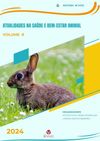
 This study reports a case of dermatophytosis, a zoonotic fungal infection, in an eleven-month-old spayed female dog, characterized by alopecia on the neck and ear, highlighting the condition's prevalence in hot, humid climates.
 January 2024 in “Editora In Vivo eBooks”
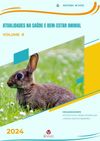
 This report describes a case of dermatophytosis, a zoonotic fungal infection common in tropical and temperate climates, affecting a female dog with alopecia on its neck and ear tip.
 June 2023 in “Deleted Journal”
 This study found that all healthy cats tested were carriers of *Microsporum canis*, and 86.66% of dogs carried this fungus, with further positive cultures for other dermatophytes and yeasts suggesting these animals may contribute to environmental fungal spread.
 41 citations
,
April 2016 in “Journal of experimental botany”
41 citations
,
April 2016 in “Journal of experimental botany” This research suggests that the barley protein RACB supports cell polarity functions rather than interfering with immunity, as it aids nucleus positioning during fungal attack rather than affecting early immune responses.
 12 citations
,
January 2024 in “Editora In Vivo eBooks”
12 citations
,
January 2024 in “Editora In Vivo eBooks” This case report from the study describes a dog suffering from dermatophytosis caused by Microsporum canis, presenting with alopecia on the neck and ear, illustrating the zoonotic risk of these fungal infections in both animals and humans, particularly in hot and humid climates.
 January 2024 in “Editora In Vivo eBooks”
 In this case report, a dog was diagnosed with dermatophytosis, a zoonotic fungal infection common in humid climates, presenting with alopecia in the neck and ear regions.
 October 2022 in “Gadua Journal of Pure and Allied Science”
 In this study, Trichophyton tonsurans and Microsporum canis were identified as the primary causes of tinea capitis, with terbinafine treatment showing the highest cure rate. Non-commercial kits surpassed real-time PCR commercial kits in specificity and sensitivity for diagnosis.
 October 2022 in “The Journal of Family Practice”
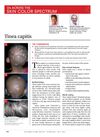
 This article describes cases of tinea capitis in young Black and Latina children, highlighting the condition's diverse presentations such as erythema, scaling, and subtle signs like comma hairs, but reports no new clinical results.