23 citations
,
March 2017 in “JAAD case reports” This study reports a new family with hereditary fibrosing poikiloderma (POIKTMP) and identifies a pancreatic cancer occurrence in a family member, raising questions about FAM111B's role as a potential cancer predisposition gene.
22 citations
,
August 2020 in “Journal of the American Academy of Dermatology” Women with lichen planopilaris and frontal fibrosing alopecia often have other health issues like hypothyroidism and lupus.
22 citations
,
July 2017 in “Australasian journal of dermatology” This study reported that two Chinese patients with lichen planopilaris or frontal fibrosing alopecia experienced satisfactory hair regrowth for 3-4 years following follicular unit extraction hair transplantation after their conditions were stabilized with therapy.
22 citations
,
April 2013 in “International Journal of Dermatology” Frontal fibrosing alopecia can occur with lichen planus pigmentosus, needing careful diagnosis and treatment.
22 citations
,
April 2012 in “Informa Healthcare eBooks” This study reports two cases of frontal fibrosing alopecia in postmenopausal women, suggesting it as a variant of lichen planopilaris due to similar histological findings yet distinct clinical presentation.
21 citations
,
March 2018 in “JEADV. Journal of the European Academy of Dermatology and Venereology/Journal of the European Academy of Dermatology and Venereology” This review reported that 5-alpha-reductase inhibitors were effective in stabilizing disease progression or reducing the rate of progression in some cases of frontal fibrosing alopecia, though evidence on safety remains limited.
 21 citations
,
October 2017 in “Journal of the European Academy of Dermatology and Venereology”
21 citations
,
October 2017 in “Journal of the European Academy of Dermatology and Venereology” This study reports that variable environmental factors, including dietary habits, may contribute to the increasing incidence and diverse clinical presentations of frontal fibrosing alopecia.
 20 citations
,
January 2016 in “Intractable & Rare Diseases Research”
20 citations
,
January 2016 in “Intractable & Rare Diseases Research” In this clinical experience, treating frontal fibrosing alopecia with oral finasteride, hydroxychloroquine, tacrolimus, and excimer laser was associated with optimal results in patients with active inflammation.
 20 citations
,
January 2014 in “Journal of the European Academy of Dermatology and Venereology”
20 citations
,
January 2014 in “Journal of the European Academy of Dermatology and Venereology” This article includes no new results; it discusses ongoing treatment approaches for frontal fibrosing alopecia and lichen planopilaris.
18 citations
,
February 2018 in “Journal of the American Academy of Dermatology” This study reports no new clinical results but suggests a potential relationship between frontal fibrosing alopecia and cutaneous conditions such as rosacea, indicating a need for further research.
 18 citations
,
June 2017 in “Journal of The American Academy of Dermatology”
18 citations
,
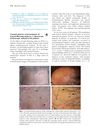
June 2017 in “Journal of The American Academy of Dermatology” In this study, trichoscopy consistently identified typical findings of frontal fibrosing alopecia, revealing three unusual clinical patterns in 18.4% of patients, which may aid in the differential diagnosis when clinical presentations are atypical.
 17 citations
,
November 2018 in “Dermatology”
17 citations
,
November 2018 in “Dermatology” The authors concluded that Hispanic/Latino ethnicity, facial papules, and premenopausal status in patients with frontal fibrosing alopecia may indicate a susceptibility to more severe disease, potentially necessitating early treatment.
 17 citations
,
January 2015 in “International Journal of Trichology”
17 citations
,
January 2015 in “International Journal of Trichology” This case report suggests that frontal fibrosing alopecia with nail involvement may be associated with lichen planus and improved with oral dutasteride due to an inflammatory reaction related to androgenetic alopecia.
16 citations
,
August 2023 in “JAAD Case Reports” This review discusses the unclear etiology and potential contributing factors of frontal fibrosing alopecia and reports no new clinical findings.
16 citations
,
April 2020 in “JAMA dermatology” More inflammation leads to faster and worse hair loss in women with frontal fibrosing alopecia.
 16 citations
,
February 2020 in “The Laryngoscope”
16 citations
,
February 2020 in “The Laryngoscope” This study found that hair transplantation is feasible in patients with lichen planopilaris and frontal fibrosing alopecia, but outcomes are generally less favorable compared to other causes and these diseases may also develop after the procedure.
 15 citations
,
August 2019 in “Dermatologic Therapy”
15 citations
,
August 2019 in “Dermatologic Therapy” This letter details a case report on platelet-rich plasma treatment for a patient with treatment-resistant frontal fibrosing alopecia, but it does not provide new clinical results.
15 citations
,
January 2015 in “Skin Appendage Disorders” This report discusses a series of patients with frontal fibrosing alopecia experiencing increased scalp sweating, which the authors hypothesize may be related to local skin inflammation affecting sweat gland activity.
 14 citations
,
June 2021 in “British journal of dermatology/British journal of dermatology, Supplement”
14 citations
,
June 2021 in “British journal of dermatology/British journal of dermatology, Supplement” This paper presents consensus guidelines for standardized diagnostic criteria and assessment methods for frontal fibrosing alopecia to improve clinical research and data collection globally.
 14 citations
,
April 2019 in “International Journal of Women's Health”
14 citations
,
April 2019 in “International Journal of Women's Health” This review highlights current treatment options for frontal fibrosing alopecia, noting that 5-α-reductase inhibitors, intralesional steroids, and hydroxychloroquine have the highest evidence of effectiveness, while other therapies show variable results and need further research.
14 citations
,
January 2018 in “Skin Appendage Disorders” This case report suggests that identifying hyperpigmentation on the upper eyelid with specific dermoscopy patterns could help diagnose facial lichen planus pigmentosus without needing a facial biopsy.
14 citations
,
January 2014 in “Indian Journal of Dermatology Venereology and Leprology” Frontal fibrosing alopecia can affect men's beards and leads to permanent hair loss.
 14 citations
,
January 2006 in “Australasian journal of dermatology”
14 citations
,
January 2006 in “Australasian journal of dermatology” This case report describes an atypical presentation of alopecia areata in a 53-year-old postmenopausal woman, which may resemble frontal fibrosing alopecia and complicate diagnosis.
 13 citations
,
April 2022 in “Anais brasileiros de dermatologia/Anais Brasileiros de Dermatologia”
13 citations
,
April 2022 in “Anais brasileiros de dermatologia/Anais Brasileiros de Dermatologia” This comprehensive literature review highlighted that lichen planopilaris and frontal fibrosing alopecia, both primary scarring alopecias, are diagnosed via scalp biopsy, with no standardized treatments available, necessitating individualized therapeutic approaches based on patient characteristics.
13 citations
,
January 2018 in “International Journal of Trichology” In this study, intralesional triamcinolone acetonide injections were associated with halting the progression of frontal fibrosing alopecia in female patients and showed minimal adverse effects, but the efficacy as sole therapy remains unclear pending further trials.
 13 citations
,
September 2017 in “Skin appendage disorders”
13 citations
,
September 2017 in “Skin appendage disorders” Some women with Frontal Fibrosing Alopecia also have Lichen Planopilaris, which can lead to more symptoms and affect hair outside the scalp.
13 citations
,
August 2013 in “International Journal of Dermatology” Frontal fibrosing alopecia can affect African men and may be underdiagnosed.
12 citations
,
July 2020 in “Actas Dermo-Sifiliográficas” This study found that facial papules and rosacea in patients with frontal fibrosing alopecia were linked to a greater need for oral treatment, with most cases involving postmenopausal women.
 12 citations
,
March 2018 in “Anais brasileiros de dermatologia/Anais Brasileiros de Dermatologia”
12 citations
,
March 2018 in “Anais brasileiros de dermatologia/Anais Brasileiros de Dermatologia” This article describes a case of frontal fibrosing alopecia in a patient with chronic lichenoid lupus erythematosus and notes the lack of similar documented cases in existing literature.
 12 citations
,
July 2017 in “Journal of cosmetic dermatology”
12 citations
,
July 2017 in “Journal of cosmetic dermatology” This study suggests that infrared thermography may be a useful noninvasive tool for diagnosing active phases of frontal fibrosing alopecia when combined with dermoscopy.