 January 2015 in “Independent Nurse”
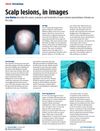
 Different scalp conditions can lead to hair loss or tumors, with treatments varying from creams to surgery; early detection is crucial.

This case report describes a 21-year-old man with alopecia areata presenting as a U-shaped hair loss pattern resembling Hamilton grade VII male-pattern baldness, with no signs of inflammation or related conditions.
 June 2001 in “Journal of The American Academy of Dermatology”
 The exam tested knowledge on various skin-related topics for CME credit.
 June 2025 in “International Journal of Science and Research (IJSR)”
 This study found that oral tofacitinib at a 5mg twice daily dosage was effective in treating recalcitrant alopecia areata, showing significant improvement in hair regrowth and a 27% reduction in SALT scores over six months, with minimal side effects among the 19 patients monitored.

This study found that patients with lichen planopilaris exhibit a higher pro-atherogenic lipid profile and elevated atherogenic indexes, suggesting a need for increased cardiovascular and lipid monitoring in these individuals.
 January 2025 in “SKIN The Journal of Cutaneous Medicine”
 This study suggests that while vitamin D3 deficiency is linked to alopecia areata severity, evidence for the effectiveness of supplementation or topical calcipotriol treatment remains inconsistent and low quality.
 January 2025 in “American Journal of Translational Research”
 In this study, Erianin was found to significantly suppress alopecia areata in a mouse model by inhibiting effector T cell function, reversing systemic symptoms, and promoting hair growth.
 December 2024 in “Kufa Medical journal”
 The study reported that patients with alopecia areata had significantly higher serum levels of IL-17A and IL-2 compared to healthy controls, suggesting these interleukins may play an important role in the disease, though they did not correlate with its severity or duration.
 September 2024 in “Archives of Medical Science”
 Alopecia areata is linked to immune system differences, with specific biomarkers like CXCL9 and CXCL10 being key for diagnosis and potential treatment targets.
 February 2024 in “Scientific reports”
 This study identified four ferroptosis-related genes, SLC40A1, LCN2, CREB5, and SLC7A11, as potential diagnostic markers for alopecia areata, revealing reduced expression in affected patients compared to controls, with a predictive model showing high accuracy in differentiating the condition.
 July 2023 in “Dermatology Practical & Conceptual”
 This study found that a positive anagen pull test can be an indicator of lichen planopilaris activity, suggesting its utility in the clinical assessment of this condition.
 July 2023 in “Research Square (Research Square)”
 This study offers evidence suggesting a probable causal role of certain gut microbiota in the development of alopecia areata.
 June 2023 in “Dermatology and therapy”
 This literature review highlights challenges in managing alopecia areata in the Middle East and Africa, noting significant regional gaps in data, treatment guidelines, and public awareness that impede patient care and emphasize the need for improved support and resources.
 September 2022 in “Skin appendage disorders”
 This article explores potential risk factors for central centrifugal cicatricial alopecia and suggests that seborrheic dermatitis may play a role in its development, but it reports no new scientific findings.
 January 2021 in “Benha Journal of Applied Sciences”
 This study found no significant difference in serum prolactin levels between vitiligo patients and healthy controls, nor any significant association between prolactin gene polymorphism and vitiligo severity, except for a significant relation with BMI.
 January 2018 in “Skin appendage disorders”
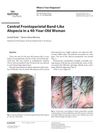
 A woman's hair loss was correctly diagnosed as Lichen planopilaris after initial misdiagnosis, highlighting the usefulness of trichoscopy in diagnosing hair disorders.
 January 2017 in “Archives of clinical and biomedical research”
 This case report suggests that melanin, as an energy generator, may offer a new perspective on studying and treating autoimmune disorders such as alopecia areata.
 January 2016 in “Springer eBooks”
 This review discusses the potential of superficial cryotherapy as an effective and safe treatment for alopecia areata in eyebrows, with a proposed mechanism involving improved follicular nutrition, but reports no new clinical results.
 January 2014 in “Journal of the turkish academy of dermatology”
 In this study, hair transplantation was found to be a feasible option for patients with cicatricial alopecia, achieving excellent cosmetic results and high patient satisfaction.
 June 1995 in “Archives of Dermatology”
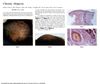
 This case report describes a 27-year-old woman with a family history of hair thinning and a 6-year history of alopecia on the scalp.
 January 1991 in “Journal of Pediatric Health Care”
 Hair loss in children can be caused by fungal infections, trauma, autoimmune disorders, or stress, and treatments vary depending on the cause.
 October 2023 in “Dermatologie pro praxi”
 This source outlines the autoimmune condition alopecia areata, discussing its unclear etiology, the significant psychological impact despite not being life-threatening, and the challenging nature of its treatment, which varies greatly among individuals. The article summarizes disease pathogenesis, prevention, and treatment options.
 209 citations
,
March 1989 in “Journal of The American Academy of Dermatology”
209 citations
,
March 1989 in “Journal of The American Academy of Dermatology” This study found that recombinant human leukocyte interferon alfa-2a achieved a 64% overall antitumor response rate in patients with early and advanced cutaneous T cell lymphoma and was generally well-tolerated.
 62 citations
,
January 2003 in “Dermatology”
62 citations
,
January 2003 in “Dermatology” This review suggests that androgenetic alopecia may be exacerbated by exposure to ultraviolet radiation and proposes considering it as a photoaggravated condition requiring photoprotection.
 47 citations
,
December 2020 in “Journal of the European Academy of Dermatology and Venereology”
47 citations
,
December 2020 in “Journal of the European Academy of Dermatology and Venereology” This article reviews the classification, diagnosis, and management of hair disorders, emphasizing the role of trichoscopy and early diagnosis for effective treatment but reports no new clinical findings.
 15 citations
,
January 2014 in “Dermatology”
15 citations
,
January 2014 in “Dermatology” This case report describes alopecia universalis-like hair loss occurring in two patients with cutaneous T cell lymphoma, providing clinical, dermoscopic, and pathologic features to help differentiate it from alopecia areata universalis.
 15 citations
,
July 2002 in “Australasian Journal of Dermatology”
15 citations
,
July 2002 in “Australasian Journal of Dermatology” In this case report, two plywood mill workers developed allergic contact dermatitis due to exposure to uncured phenol-formaldehyde resin, not sawdust as initially suspected.
 2 citations
,
January 2022 in “Eduvest”
2 citations
,
January 2022 in “Eduvest” This report of a 90-year-old girl with tinea capitis indicates that griseofulvin remains the main treatment, showing improvement after eight weeks of therapy.
 2 citations
,
March 2016 in “Obstetrics and Gynecology Clinics of North America”
2 citations
,
March 2016 in “Obstetrics and Gynecology Clinics of North America” This article reviews common dermatologic conditions seen in primary care, such as acne and skin cancer, but reports no new findings.
 2 citations
,
May 2025 in “Infection”
2 citations
,
May 2025 in “Infection” This source underscores the need for a multidisciplinary effort to raise awareness of Demodex and demodicosis, suggesting that prioritizing research, diagnostics, and treatment development could enhance global health outcomes and improve quality of life for affected individuals.