 February 2026 in “Dermatology Reports”
 In this case study, trichoscopy was found to be a valuable non-invasive tool for diagnosing dissecting cellulitis of the scalp, enabling early detection and intervention to prevent disease progression and reduce the need for invasive procedures.
 December 2025 in “Clinical Cosmetic and Investigational Dermatology”
 In this report, a unique female presentation of IFAP syndrome is described, featuring musculoskeletal contractures but no photophobia, highlighting the importance of early detection and multidisciplinary care to improve outcomes and prevent disability.
October 2025 in “European Journal of Translational and Clinical Medicine” This study found that women with polycystic ovary syndrome had significantly higher serum dihydrotestosterone levels than healthy controls, supporting its use as a reliable biomarker for early detection of the condition.
 September 2025 in “International Journal of Science and Research (IJSR)”
 This theoretical review analyzes how stress affects hair loss through hormonal and neural pathways, indicating that knowledgeable hairdressers could help in early detection and guide clients toward medical interventions, highlighting a potential collaboration between aesthetic care and medical treatment for stress-induced alopecia.
July 2025 in “Journal of Neonatal Surgery” This study utilized U-Net's image-processing capabilities to achieve 92% accuracy in segmenting individual hair strands, enhancing early detection and reliable identification of hair fall areas, which assists in addressing challenges of subtle hair thinning that are difficult to see otherwise.
 July 2025 in “Cermin Dunia Kedokteran”
 This study highlights nasopharyngeal carcinoma as the fourth most common cancer in Indonesia, noting that its etiology involves genetic and environmental factors, while early detection often utilizes serology and imaging, with diagnosis confirmed by biopsy and histopathology.
 July 2025 in “International Journal of Pharmacology and Clinical Research”
 This study surveyed individuals and found that awareness and understanding of thyroid disorders, particularly symptom recognition and the importance of early detection, are low, highlighting the need for targeted public health initiatives to improve knowledge and management.
June 2025 in “British Journal of Dermatology” This case series highlighted three pediatric patients with congenital nail anomalies, revealing underlying developmental or genetic issues such as symbrachydactyly and potential Adams–Oliver syndrome, underscoring the critical role of dermatologists in early detection and diagnosis of these conditions.

This study discovered that androgenetic alopecia disrupts the scalp microbiome balance across the whole scalp, not just areas with hair loss, and introduced a microbial index for early detection and severity prediction.
March 2025 in “Journal of Pakistan Association of Dermatologists” This study observed that 62.7% of men with androgenetic alopecia had abnormal blood lipid levels, suggesting the importance of assessing lipid profiles in these individuals for early detection of cardiovascular and metabolic risks.
This study documented that a CNN-KNN hybrid model achieved 98% accuracy in predicting hair breakage levels due to Telogen Effluvium, highlighting its potential for enhancing diagnosis and treatment in clinical dermatology through early detection of hair-related conditions.
 February 2025 in “Physician s Journal of Medicine”
 In this review, researchers highlighted that COVID-19 can cause various skin manifestations like maculopapular rashes and "COVID toes," which often precede or appear without respiratory symptoms, suggesting their potential for early detection and prognostic evaluation, especially in severe cases.
 January 2025 in “International Journal of Scientific Research”
 This study found that female pattern hair loss was present in 12.5% of PCOS patients examined, with most cases in younger women, highlighting early detection and management importance.
 September 2024 in “Cureus”
 This study found that systemic lupus erythematosus predominantly affects young adults, with diverse symptoms including mucocutaneous and renal involvement, and highlights the significance of early detection for improved management.
In this study, Norwegian researchers followed over 350 patients with porphyria cutanea tarda for an average of 7 years and found that 25% experienced biochemical relapse, suggesting the importance of routine follow-up for early detection and management.
 April 2024 in “Indian Scientific Journal Of Research In Engineering And Management”
 This review discusses the prevalence and contributory factors of polycystic ovarian syndrome and reports no new clinical findings; the authors emphasize the importance of early detection through screening.
January 2024 in “Biomedicines” This review discussed the cutaneous manifestations of APECED, highlighting chronic mucocutaneous candidiasis, alopecia areata, and vitiligo, while emphasizing the importance of early detection and monitoring for accurate diagnosis and patient care in various populations.
 January 2024 in “The Egyptian Journal of Hospital Medicine”
 This study found that A-FABP serum levels were significantly higher in male patients with androgenetic alopecia compared to controls, and the authors concluded that A-FABP could serve as a biomarker for early detection of this condition.
 January 2024 in “Wiadomości Lekarskie”
 In this overview of COPD exacerbations, it was reported that these events, often triggered by respiratory viruses, not only worsen symptoms but also increase the risk of cardiac events, highlighting the importance of early detection and prevention strategies such as vaccinations and new biologic therapies.
 October 2023 in “Benha Journal of Applied Sciences”
 The authors of this meta-analysis suggest that intralesional injections of methotrexate and vitamin D3 may serve as safe and effective alternatives to triamcinolone acetonide for treating localized alopecia areata in adults, with trichoscopy aiding early detection of treatment effects.
In this case report, a patient's atypical neuropsychiatric and dermatological symptoms were crucial for diagnosing systemic lupus erythematosus, highlighting the disease's clinical heterogeneity and the importance of early detection to prevent organ damage.
 October 2023 in “IJEM case reports”
 This case report describes the diagnosis and management of a 15-year-old girl with complete androgen insensitivity syndrome, highlighting the importance of thorough physical exams for early detection and treatment planning.
 April 2023 in “Journal of Investigative Dermatology”
 This study found that using 3D total body imaging with convolution neural networks accurately identifies risk phenotypes for melanoma, suggesting improved objective stratification for early detection and prevention.
 March 2023 in “Bagcılar medical bulletin”
 This case report highlights a rare diagnosis of an androgen-secreting adrenal tumor in a patient with hyperandrogenism and virilization symptoms, emphasizing the role of gynecologists in early detection.
April 2020 in “Journal of the Endocrine Society” This case report highlights the importance of considering pituitary stalk interruption syndrome as a potential diagnosis for patients with short stature, as early detection may allow those affected to achieve normal height.

A 70-year-old man with skin cancer on both sides of his forehead was treated with surgery and cryotherapy, highlighting the need for early detection and prevention.
 September 2015 in “International Journal of Dermatology”
 In Ethiopia, this study found that certain skin and mucous membrane disorders, particularly oral conditions, were statistically related to HIV infection and may assist in early detection of the disease.
 January 2015 in “Independent Nurse”
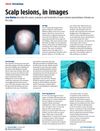
 Different scalp conditions can lead to hair loss or tumors, with treatments varying from creams to surgery; early detection is crucial.
 November 2012 in “Actas Dermo-Sifiliográficas”
 An 86-year-old man had a rare tongue melanoma but refused treatment, showing the need for early cancer detection and treatment.
January 2012 in “The Journal of Qazvin University of Medical Sciences” This study examined the prevalence of polycystic ovary syndrome phenotypes among adolescent females in Shiraz, finding a notable presence of different symptoms and emphasizing the need for early detection.