 1 citations
,
April 2017 in “Journal of Investigative Dermatology”
1 citations
,
April 2017 in “Journal of Investigative Dermatology” This study found that the novel IPC analog SIG-1451 may inhibit inflammatory cytokine release in cell-based assays relevant to allergic dermatitis.
 June 2026 in “Frontiers in Immunology”
 This review synthesizes both traditional and emerging molecular mechanisms of tissue remodeling across different organs, aiming to establish a theoretical basis for precision interventions in pathological conditions, according to the authors.
 June 2026 in “Dermatology and Therapy”
 This review provides an analysis of topical treatments with clinically proven efficacy for managing hyperpigmentation and concludes that the most effective approach is using combined therapies that target multiple aspects of skin pigmentation physiology.
 May 2026 in “The EMBO Journal”
 This study explores the complex mechanisms of skin aging, including cellular senescence and disrupted communication, and highlights rejuvenation strategies like gene expression rewiring and microbiome modulation, offering potential frameworks for regenerative therapies and precise interventions in skin and systemic aging.
 April 2026 in “Journal of Pharmaceutical Investigation”
 This review discusses recent advancements in nanotechnology for treating hypertrophic scarring and atopic dermatitis, highlighting the potential of nanotherapeutic platforms in enhancing therapeutic effects by modulating the skin's microenvironment.
 March 2026 in “Frontiers in Medicine”
 This study provides a framework for understanding different types of alopecias based on immune privilege collapse at specific follicular sites, revealing distinct patterns in immune effector programs and stromal influences depending on the alopecia type.
 March 2026 in “Calcified Tissue International”
 This review discusses the complex role of the EDA pathway in vertebrate skeletal development, emphasizing its interaction with other morphogenic pathways to influence skeletal diversity, but reports no new experimental results.
 February 2026 in “American Journal of Clinical Dermatology”
 This source discusses how radiotherapy-induced skin fibrosis, a chronic side effect affecting cancer survivors' quality of life, is driven by ongoing inflammation and fibroblast activity, and emphasizes the need for comprehensive dermatologic management and better diagnostic tools.
 February 2026 in “Plastic and Aesthetic Research”
 This narrative review examines advancements in regenerative aesthetic medicine, focusing on injectable modalities like PRP, polynucleotides, and exosomes, but highlights the need for more robust evidence and standardization in clinical applications.

In this study, researchers used a mouse model to identify an adipocyte-to-fibroblast conversion pathway that promotes mast-cell recruitment and dermal fibrosis in atopic dermatitis, suggesting a potential therapeutic approach to block this process and reduce inflammation and fibrosis.
 January 2026 in “RSC Advances”
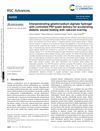
 This study found that the natural polymer-based hydrogel Gel/SA@PL released growth factors in a controlled way, which enhanced tissue regeneration and minimized scarring in the healing of diabetic wounds.
 December 2025 in “Eastern Ukrainian Medical Journal”
 This study reviews current methods for making and using platelet-rich plasma and fibrin, emphasizing the variability in clinical outcomes due to differences in preparation protocols, and calls for standardized guidelines and large-scale studies for better effectiveness in regenerative medicine.
 December 2025 in “Open Repository of the University of Porto (University of Porto)”
 Pharmacists play a crucial role in improving patient outcomes through personalized care and staying updated with scientific advancements.
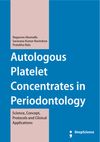
In this book, the authors provide an accessible overview of platelet concentrates and their dental applications, highlighting their role in tissue healing and regeneration, and reviewing recent studies on their efficacy in periodontal therapy, implant dentistry, and oral surgery.
 October 2025 in “Clinical Cosmetic and Investigational Dermatology”
 This study synthesizes knowledge of how dendritic cell signals, epithelial integrins, and fibroblast activity converge on TGF-β1 to maintain or disrupt skin healing, contrasting normal and fibrotic scar formation and suggesting possible integrin and immune-targeted treatments for skin fibrosis.
 July 2025 in “Journal of medical & health sciences review.”
 This review highlights the potential of ultrasound-assisted gene therapy for tissue regeneration by improving gene delivery efficiency through techniques like microbubble-mediated sonoporation. The authors discuss its applications in musculoskeletal, cardiovascular, and neural regeneration, while addressing future challenges in optimizing this non-invasive approach for clinical applications.
 August 2024 in “UPI Journal of Pharmaceutical Medical and Health Sciences”
 This review article discusses the current applications and research findings of platelet-rich plasma in musculoskeletal rehabilitation, highlighting its potential clinical utility but reporting no new clinical results.
 August 2024 in “Quality in Sport”
 This review highlights the positive effects of platelet-rich plasma in aesthetic and regenerative medicine, particularly for skin rejuvenation, anti-aging, hair reconstruction, and wound healing, but it reports no new clinical results.
 June 2024 in “Research Square (Research Square)”
 This study identified a network of interactions between miRNAs and mRNAs that involve key signaling pathways, suggesting new insights into the mechanisms behind androgenetic alopecia.
 December 2023 in “Communications biology”
 This study found that inhibiting the HEDGEHOG-GLI1 pathway could reduce keloid size and gene expression, suggesting it as a potential therapeutic target for keloid pathogenesis.
 December 2023 in “bioRxiv (Cold Spring Harbor Laboratory)”
 This study found that AP-2α and AP-2β transcription factors are crucial for maintaining adult skin homeostasis, with their inactivation in keratinocytes leading to impaired differentiation, hair abnormalities, and inflammation, highlighting their key regulatory roles.
 November 2023 in “European medical journal. Dermatology”
 This review found mixed evidence regarding platelet-rich plasma's effectiveness in various medical applications, noting significant limitations like small sample sizes and lack of standardization that necessitate further research.
 November 2023 in “International Journal of Medical Case Reports and Reviews”
 This review discusses the potential and current applications of platelet-rich plasma in otolaryngology and reports no new clinical results; the authors note varying evidence for its effectiveness across medical conditions.
 October 2023 in “Frontiers in endocrinology”
 This review investigates molecular mechanisms behind PCOS pathogenesis and discusses potential therapies, but reports no new clinical results.
 October 2023 in “International journal of biology, pharmacy and allied sciences”
 This study reviews previous research on Lawsonia inermis Linn., commonly known as henna, to evaluate its potential for enhancing wound healing, given concerns about the adverse effects and resistance associated with synthetic antibiotics and antimicrobials.
This case study highlights a 38-year-old woman with lichen planopilaris experiencing gingival hypertrophy linked to high serum cyclosporine levels and relevant dosage, which improved after reducing the cyclosporine dose.
 May 2022 in “International Journal of Clinical Trials”
 This study concluded that platelet rich fibrin (PRF) may enhance healing and functional recovery compared to platelet rich plasma (PRP) during immediate post-extractive dental implant procedures.
 May 2022 in “Research Square (Research Square)”
 This review summarizes research on individual Chinese herbal extracts that may inhibit mechanisms of renal fibrosis, but it reports no new experimental findings.
 May 2022 in “Gastroenterology”
 This study investigated the possible role of neutrophil extracellular traps in contributing to fibrosis in stenotic Crohn's disease.
 January 2022 in “Kafkas Universitesi Veteriner Fakultesi Dergisi”
 In this study, differences in protein expression related to twin lambing were identified in Tibetan sheep, providing insights into the reproductive performance and fertility improvement strategy for sheep in the Qinghai-Tibet Plateau.