 1 citations
,
September 2025 in “Frontiers in Immunology”
1 citations
,
September 2025 in “Frontiers in Immunology” In this study, researchers using a Treg-specific HuR-deficient mouse model found that the RNA-binding protein HuR is crucial for stabilizing Foxp3 mRNA, affecting Treg function and immune regulation, with HuR disruption leading to impaired Foxp3 expression and potential autoimmune dysfunction.
 1 citations
,
July 2020 in “Dermatology”
1 citations
,
July 2020 in “Dermatology” This review discusses the mechanisms, applications, and research evidence of photobiomodulation, highlighting its efficacy, safety, and potential for standardized evaluation methods, but reports no new clinical results.
 1 citations
,
January 2010 in “Elsevier eBooks”
1 citations
,
January 2010 in “Elsevier eBooks” Any drug can cause skin reactions, but antibiotics, NSAIDs, and psychotropic drugs are more common, with some reactions being life-threatening.
 February 2026 in “Psycho-Oncologie”
 This narrative review highlights that alopecia areata significantly impacts the psychological wellbeing of cancer patients, contributing to distress, anxiety, and depression, and underscores the importance of integrating dermatologic care with psycho-oncology to improve patient outcomes.

This study used a mouse model to reveal that S100A4-positive cells, specifically fibroblasts and immune cells, play a crucial role in nipple development, essential for successful lactation, despite no issues with mammary morphology or milk production.

This study investigated the molecular mechanisms behind cashmere goat coat types by analyzing gene expression during hair follicle development stages, identifying regulatory pathways involved in metabolism, immune response, and the quiescent state of follicles, potentially aiding in genetic selection for improved cashmere production.
 July 2023 in “bioRxiv (Cold Spring Harbor Laboratory)”
 This study reports that a low concentration of chitosan induces callose deposition and slows root hair growth in Arabidopsis, suggesting an evolutionary conservation of this response to mild biotic stress across plant types.
 June 2023 in “Livestock studies”
 This review highlights the significance of animal fibers, examining the molecular mechanisms influencing hair follicle development and their impact on fiber quality and quantity, with a focus on studies involving Angora and cashmere goats.
 November 2022 in “Research Square (Research Square)”
 This study identified key genes and pathways involved in the growth and development of forest musk deer hair follicles, providing insights into molecular regulation and laying groundwork for future research on related diseases.
This study reports that a novel series of compounds can potently and selectively inhibit glycogen synthase kinase-3, which activates glycogen synthase in insulin receptor-expressing cells and primary rat hepatocytes.
 January 2019 in “Springer eBooks”
 PRP may help with hair loss and improve hair quality with few side effects, but more research is needed.
 January 2019 in “Durham e-Theses (Durham University)”
 This study utilized advanced imaging techniques to quantify hair damage and dye uptake dynamics, revealing that compound penetration in hair is influenced by molecule size and lipophilicity.

This review discusses the potential association between vaccination and alopecia areata, highlighted in case reports, notably with the hepatitis B virus vaccine, but provides no new results.
 May 1991 in “Current problems in dermatology”
 This article reviews the relationship between the skin and the immune system and discusses how skin manifestations can indicate immunodeficiencies but reports no new research findings.
 December 2024 in “Texila international journal of public health”
 In this study conducted from September to November 2023, researchers used trichoscopy to accurately diagnose cicatricial alopecias by revealing unique patterns, reducing the need for biopsies, and proving to be a valuable non-invasive diagnostic method.

This review examines current treatment options for alopecia areata and highlights the challenges due to limited evidence-based data and unpredictability in disease progression.
 133 citations
,
May 2016 in “Cell Host & Microbe”
133 citations
,
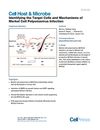
May 2016 in “Cell Host & Microbe” In this study, human dermal fibroblasts were identified as natural host cells that support productive Merkel cell polyomavirus infection, and the MEK antagonist trametinib was introduced as an effective inhibitor to control the virus.
 46 citations
,
June 2018 in “American Journal of Clinical Dermatology”
46 citations
,
June 2018 in “American Journal of Clinical Dermatology” This review summarizes the clinical, trichoscopic, and histopathological features of alopecia types associated with cutaneous and systemic lupus erythematosus and explores their links to disease activity, but it reports no new clinical results.
 7 citations
,
December 2008 in “Journal of Dermatological Science”
7 citations
,
December 2008 in “Journal of Dermatological Science” Progranulin overexpression leads to shorter, thinner hair and increased cell death in mouse hair follicles.
 January 2025 in “International Journal of Pharmacognosy and Clinical Research”
 This study reported the development of a scalp serum containing Beta-Sitosterol and nutrient-rich oils, showing stable physicochemical properties, suggesting potential for promoting hair growth and scalp health, though further clinical testing in humans is needed to confirm effectiveness.
In this case study, a 12-month-old girl presenting with apyretic seizure and congenital alopecia was diagnosed with hereditary vitamin D-resistant rickets, highlighting the importance of comprehensive evaluation for accurate diagnosis.
 79 citations
,
January 2017 in “Dermatology practical & conceptual”
79 citations
,
January 2017 in “Dermatology practical & conceptual” This article addresses the need to screen for nutrient deficiencies in patients with hair loss but reports no new findings, noting that supplementation without deficiency may not be beneficial and could pose risks.
 54 citations
,
September 2000 in “Archives of dermatology”
54 citations
,
September 2000 in “Archives of dermatology” In this study, 95% of respondents reported severe hair breakage or loss after using the Rio Hair Naturalizer System, with many experiencing significant and lasting hair loss.
 84 citations
,
April 2005 in “Dermatologic Clinics”
84 citations
,
April 2005 in “Dermatologic Clinics” Treatments for melanin disorders exist, but more effective options needed.
 16 citations
,
September 2018 in “Journal of Molecular Liquids”
16 citations
,
September 2018 in “Journal of Molecular Liquids” This study investigated a nanostructured system using PS-b-PAA diblock copolymer for incorporating the hydrophobic photosensitizer ClAlPc, finding it effective in causing cellular damage in Caco-2 cells under light while demonstrating no cytotoxicity without light, suggesting its potential use in photodynamic therapy.
 January 2026 in “Frontiers in Pharmacology”
 This review highlights the potential of wedelolactone from the plant Wedelia Chinensis, summarizing its reported pharmacological effects, including anti-inflammatory, antiviral, antibacterial, antitumor, anti-osteoporosis activities, and organ protection based on existing in vitro and in vivo research findings.
 July 2025 in “International Journal of Dermatology Venereology and Leprosy Sciences”
 This review explores the potential of microneedling as a drug delivery system for treating melasma, focusing on its mechanisms, safety, efficacy, and clinical advantages over conventional therapies like hydroquinone and lasers.
 February 2024 in “International Journal For Multidisciplinary Research”
 This review examines the advances in nanostructured lipid carriers for treating hyperpigmentation but presents no new clinical results; the authors highlight their potential benefits and applications.
 1057 citations
,
November 2011 in “Annals of Biomedical Engineering”
1057 citations
,
November 2011 in “Annals of Biomedical Engineering” This review discusses the applications of low level laser therapy (LLLT) in wound healing, pain reduction, and treating various conditions, but reports no new clinical results; the authors highlight the need for randomized controlled trials for serious diseases.
 520 citations
,
January 2017 in “AIMS biophysics”
520 citations
,
January 2017 in “AIMS biophysics” This review discusses the effects of photobiomodulation, particularly its potential to reduce inflammation in various conditions, but it does not report new clinical findings.