 51 citations
,
January 2024 in “Nanoscale”
51 citations
,
January 2024 in “Nanoscale” This review highlights recent advancements in using nanotechnology to improve the function and delivery of PROTAC drugs, despite existing challenges like low solubility and poor permeability, aiming to enhance their potential in disease treatment.
31 citations
,
March 2023 in “BioFactors” This study describes how incorporating curcumin-loaded nanoparticles into various nanoformulations can enhance its bioavailability and improve wound healing processes such as angiogenesis, collagen deposition, and cell proliferation.
 17 citations
,
June 2021 in “Molecules”
17 citations
,
June 2021 in “Molecules” This review summarizes the promising role of melatonin combined with nanosized carriers in drug delivery, suggesting enhanced effectiveness in treating various diseases compared to free melatonin.
8 citations
,
May 2024 in “Advanced NanoBiomed Research” This review examines advancements in lipid and inorganic nanocarriers, such as liposomes and inorganic nanoparticles, for transdermal drug delivery, noting enhanced absorption and stability but acknowledging that few have reached clinical use.
2 citations
,
March 2025 in “Nanoenergy Advances” This review examines recent advances in bioelectronic nanogenerators for anti-cancer therapy, highlighting various transducing strategies such as photodynamic therapy and electrical stimulation, while also discussing the potential mechanisms for tissue repair and the challenges that lie ahead.
 1 citations
,
April 2023 in “International Journal of Molecular Sciences”
1 citations
,
April 2023 in “International Journal of Molecular Sciences” This review discusses advances in CRISPR/Cas9 variants and nanoformulations for cancer treatment, noting challenges and prospects for clinical application, but reports no new research results.
 1 citations
,
October 2025 in “Nano Research”
1 citations
,
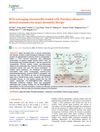
October 2025 in “Nano Research” In this study, researchers developed a dissolvable microneedle patch combining HA-TEMPO and Portulaca oleracea L.-derived nanoparticles, which effectively reduced oxidative stress and inflammation in an atopic dermatitis model while restoring immune balance, suggesting a promising treatment strategy.
11 citations
,
June 2025 in “Advanced Functional Materials” This study reports that a pH-responsive nanosilver platform improved wound healing in mouse and rabbit models by targeting bacteria and supporting tissue repair more effectively than traditional silver nanoparticles.
April 2026 in “JURNAL FARMASI DAN ILMU KEFARMASIAN INDONESIA” In this study, the researchers successfully developed a Spanlastic gel containing EGCG for transdermal application, significantly increasing EGCG skin permeability with optimal entrapment efficiency, zeta potential, and vesicle size.
39 citations
,
April 2012 in “Journal of controlled release” This study found that using a protease-triggered release system enabled effective delivery of a model drug deep within porcine hair follicles, suggesting a new approach for treating skin conditions.
 1 citations
,
January 2014
1 citations
,
January 2014 In this study, the release rate of Finasteride from Eudragit matrix tablets was found to be significantly influenced by the drug/Eudragit ratio and polymer viscosity, with formulation F9 being the most effective.
 11 citations
,
July 2021 in “Nanomaterials”
11 citations
,
July 2021 in “Nanomaterials” This study found that α-13′-carboxychromanol significantly accelerated wound healing and improved tissue quality in a mouse model, especially when delivered with bacterial nanocellulose under diabetic conditions.

In this phase 2 trial, STS01 1% significantly improved hair regrowth in patients with mild to moderate patchy alopecia areata compared to placebo, with a manageable skin irritation side effect profile.
 9 citations
,
September 2017 in “Nanoscale Research Letters”
9 citations
,
September 2017 in “Nanoscale Research Letters” This study found that combining TIMP-1 with graphene oxide promoted skin tissue regeneration in rats and provided sustained release of TIMP-1 over 40 days.
 2 citations
,
February 2023 in “Research Square (Research Square)”
2 citations
,
February 2023 in “Research Square (Research Square)” In this study, a newly engineered scaffold, PADM-MX-Ag-Si@Dox, demonstrated potential as a multifunctional biomaterial for postoperative melanoma treatment by controlling drug release, enhancing wound healing, and enabling real-time tumor surveillance through temperature, pH, and electrical stimuli.
 10 citations
,
September 2024 in “Journal of Nanobiotechnology”
10 citations
,
September 2024 in “Journal of Nanobiotechnology” This study developed an antimicrobial microneedle patch for delivering apoptotic vesicles to treat infected wounds, which was found to effectively reduce bacterial growth and accelerate scarless healing, including the rapid formation of mature hair follicles in just 8 days, a previously unreported early outcome.
 January 2026 in “RSC Advances”
 The hydrogel helps heal wounds without scars by releasing two drugs gradually.
 34 citations
,
October 2014 in “European journal of pharmaceutics and biopharmaceutics”
34 citations
,
October 2014 in “European journal of pharmaceutics and biopharmaceutics” This study found that adapalene-loaded solid lipid microparticles may enhance targeted drug delivery into sebum due to their similarity to sebum components, although both this formulation and a standard cream showed equivalent follicular penetration.
 21 citations
,
January 2019 in “Lasers in Medical Science”
21 citations
,
January 2019 in “Lasers in Medical Science” This review found that low-level laser therapy significantly increased hair density in adults with androgenic alopecia compared to sham treatments, with greater effects observed at lower treatment frequencies.
 151 citations
,
July 2011 in “Archives of Dermatological Research”
151 citations
,
July 2011 in “Archives of Dermatological Research” This review discusses various strategies to enhance drug delivery through the skin barrier, highlighting liposomes as promising carriers for increased dermal concentrations in topical therapies, but reports no new research results.
 May 2026 in “Zenodo (CERN European Organization for Nuclear Research)”
 In this study, a chitosan-based minoxidil nanogel was developed and optimized for better scalp retention and targeted follicular delivery, showing sustained drug release over 48 hours and improved drug deposition compared to conventional minoxidil solutions.
 July 2026 in “International Journal of Drug Delivery Technology”
 This review highlights novel drug delivery systems for alopecia that enhance localization in the pilosebaceous unit, reduce systemic exposure, and support sustained drug release, with a focus on optimized follicular carriers ranging from 100-300 nm for improved drug residence compared to conventional methods.
88 citations
,
July 2020 in “Frontiers in Cell and Developmental Biology” In this review, bioengineered materials incorporating growth factors and cytokines were reported to enhance wound healing by sustaining drug delivery, reducing dosage, and minimizing side effects compared to traditional treatments.
 75 citations
,
January 2009 in “International journal of trichology”
75 citations
,
January 2009 in “International journal of trichology” This review examines the differential aging of melanocytes in hair follicles and skin, and reports no new findings; the authors suggest further research is needed to understand these processes.
56 citations
,
September 2016 in “Pharmaceutical Research” This study found that imiquimod combined with fish oil in a bigel formulation enhanced antitumor effects and reduced inflammatory side effects in a skin cancer model.
56 citations
,
June 2002 in “Biomaterials” This study found that controlled release of VEGF via a collagen hydrogel promoted hair follicle growth and cell proliferation in mice more effectively than free VEGF injections.
 118 citations
,
May 2015 in “European journal of pharmaceutics and biopharmaceutics”
118 citations
,
May 2015 in “European journal of pharmaceutics and biopharmaceutics” This study found that the pH-sensitive hydrogel HECHA13, containing isoliquiritigenin, effectively inhibited the growth of Propionibacterium acnes and showed promise for transdermal delivery in acne treatment.
17 citations
,
May 2014 in “Cell transplantation” This study demonstrated that genetically engineered stem cells from human hair follicles can reverse hyperglycemia and reduce mortality in mice with type 1 diabetes by overexpressing the human insulin gene.
11 citations
,
July 2023 in “Applied Nanoscience”  January 2025 in “Regenerative Biomaterials”
 In this study, a new pH-responsive hydrogel composed of polyvinyl alcohol and boric acid was found to release salvianolic acid B effectively, reducing excessive scar formation and enhancing tissue regeneration during early-stage wound healing.