 1 citations
,
May 2025 in “The Journal of Phytopharmacology”
1 citations
,
May 2025 in “The Journal of Phytopharmacology” This review identifies natural plants that possess androgen-related compounds, highlighting the potential of phytoandrogens as alternatives to allopathic treatments for conditions like hypogonadism, impotence, infertility, and erectile dysfunction.
 1 citations
,
May 2025 in “Scientific Reports”
1 citations
,
May 2025 in “Scientific Reports” In this study, researchers found no significant differences in serum levels of DHEAs, DHT, and testosterone between female patients with oral lichen planus and healthy controls, suggesting no neuroendocrine etiology linked to the condition.
 1 citations
,
December 2024 in “Dermatology and Therapy”
1 citations
,
December 2024 in “Dermatology and Therapy” This study found that the STRIAA scoring tool provides a rapid and highly reliable assessment of alopecia areata severity, showing a significant correlation with the traditional SALT score, thus enhancing clinical evaluation in patients with this condition.
 1 citations
,
September 2023 in “Baghdad Journal of Biochemistry and Applied Biological Sciences”
1 citations
,
September 2023 in “Baghdad Journal of Biochemistry and Applied Biological Sciences” In this study, among Iraqi women with hirsutism, researchers found no significant differences in hormonal markers compared to healthy controls, but identified a strong association between the modified Ferriman-Gallwey (mFG) score and hirsutism, highlighting the mFG score's utility in diagnosing the condition.
 1 citations
,
September 2023 in “JCEM case reports”
1 citations
,
September 2023 in “JCEM case reports” This case series observed the efficacy of GnRH analogues in diagnosing and treating various forms of ovarian hyperandrogenism, illustrating their role in symptom management without surgery, particularly for benign conditions and refractory androgen excess.
 1 citations
,
February 2022 in “Veterinární Medicína”
1 citations
,
February 2022 in “Veterinární Medicína” This report presents the first successful management of minoxidil toxicosis in a cat, detailing the clinical progression and treatment plan used to resolve the condition.
 1 citations
,
January 2020 in “International Journal of Current Research in Biosciences and Plant Biology”
1 citations
,
January 2020 in “International Journal of Current Research in Biosciences and Plant Biology” This study found that treating rice seeds with essential oil and Tithonia diversifolia powder increased yield and adaptation in NERICA varieties under rainy upland conditions, suggesting these treatments may improve rice production.
 1 citations
,
January 2020 in “ARC Journal of Dermatology”
1 citations
,
January 2020 in “ARC Journal of Dermatology” This study observed that five cases of primary cicatricial alopecia showed an excellent response to a combination of oral zinc and long-pulsed Nd:YAG 1064-nm laser treatment, suggesting this approach may be beneficial for certain types of this condition.
 1 citations
,
November 2015 in “Indian Journal of Clinical Biochemistry”
1 citations
,
November 2015 in “Indian Journal of Clinical Biochemistry” The conference presented findings on how vitamin D levels, genetic factors, and lifestyle choices like smoking and yoga affect various health conditions and diseases.
 1 citations
,
October 2014
1 citations
,
October 2014 The document concludes that diagnosing and managing plaque psoriasis, particularly in sensitive areas, is challenging and requires careful differentiation from similar skin conditions.
 June 2026 in “Reports of Morphology”
 This study on female Wistar rats with stress-induced alopecia found that a modified diet rich in antioxidants and nutrients reduced dystrophic skin changes and preserved the functional activity of hair follicles, suggesting dietary approaches may support hair restoration under chronic stress conditions.
 May 2026 in “Research Square”
 Children with alopecia areata often face more stress and depression, especially related to separation, which can affect their condition.
 May 2026 in “Scholars Journal of Medical Case Reports”
 In this report, researchers described a 36-year-old woman with frontal fibrosing alopecia resistant to standard treatments, who showed significant improvement after six months on a combination of intralesional betamethasone and oral hydroxychloroquine, suggesting potential benefits of this therapy approach in managing the condition.

This study found that in men with androgenetic alopecia, elevated triglycerides were the only factor consistently associated with the condition, suggesting a potential link between AGA and lipid metabolism, although other hormonal, metabolic, and sleep factors were not significantly different after propensity score matching.
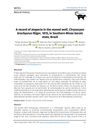 March 2026 in “Mammalogy Notes”
 In this report, the sighting of a maned wolf in a rural area of Brazil with severe hair loss, likely due to alopecia, was documented, and it was suspected that the condition resulted from disease transmission from domestic dogs.
 February 2026 in “International Journal of Clinical Pharmacy”
 This commentary described developing a framework to evaluate how pharmacists in community pharmacy care clinics impact emergency department visits, focusing on conditions they can manage, adverse medication events, and necessary referrals.
 February 2026 in “International Journal of Homoeopathic Sciences”
 This paper reviews plica polonica, a rare hair disorder linked historically to poor hygiene and now to severe self-neglect or medical conditions, and outlines various treatment and preventive strategies but reports no new findings.
 January 2026 in “Beilstein Journal of Organic Chemistry”
 This study developed a metal-free method for synthesizing sulfinimidate esters, showcasing their potential as versatile intermediates for enantioselective bond formation under mild conditions.
 January 2026 in “Clinical Cosmetic and Investigational Dermatology”
 This study found that among patients with alopecia areata, 82% reported experiencing at least one significant life event perceived as strainful in the two years before disease onset, suggesting an association between perceived stress and the onset of this condition.
 January 2026 in “Florence Research (University of Florence)”
 This perspective reviews current knowledge about cellular and molecular mechanisms in wound healing from 2023–2025, highlighting inadequately understood pathways associated with conditions like keloids and chronic wounds, and discusses proposed novel therapies for these conditions.
 October 2025 in “bioRxiv (Cold Spring Harbor Laboratory)”
 This study experimentally validated Lockhart's viscoplastic framework for tip growth in Arabidopsis root hairs by demonstrating alignment with observed growth rates and estimating yield turgor pressure and cell wall viscosity, offering a methodology adaptable to other species and conditions.
 September 2025 in “Dermatology and Therapy”
 This study reviewed the burden of alopecia areata in the UAE, noting limited regional data on patient demographics and treatments but highlighting the approval and promising results of the Janus kinase inhibitor baricitinib for managing this condition.
 September 2025 in “Journal of Medical Internet Research”
 This study in Japan found that increased telemedicine use during the COVID-19 pandemic was linked to a significant reduction in both inpatient and total health care expenditures, without negatively impacting health outcomes such as mortality or common chronic condition indicators.
 August 2025 in “Scientific Reports”
 This study found that the protein C4BPA may link insulin resistance and acne vulgaris by influencing lipid metabolism and inflammatory pathways, suggesting it as a potential mediator in the pathogenesis of both conditions.
 August 2025 in “Frontiers in Immunology”
 This meta-analysis found that patients with alopecia areata, particularly those with more extensive forms like alopecia totalis and universalis, may face a higher risk of cardiovascular disease, though no links were found with specific conditions like ischemic stroke or myocardial infarction.
 May 2025 in “The Journal of Rheumatology”
 In this case report, two patients with polyautoimmunity and difficult-to-treat lupus erythematosus experienced significant symptom improvement after adding anifrolumab to their regimen, suggesting its potential as an effective add-on therapy for refractory cutaneous symptoms in autoimmune conditions characterized by elevated interferon alpha activity.
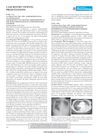 May 2025 in “The Journal of Rheumatology”
 This case report describes a young female with pediatric SLE and latent TB who was found to have gastrointestinal tuberculosis, a rarely recognized and often misdiagnosed condition, highlighting the diagnostic challenges and need for early recognition in such cases.
 March 2025 in “Asian Journal of Beauty and Cosmetology”
 This study found that microspicule cosmetics with low-molecular-weight peptide complexes significantly improved skin whitening, pore condition, and skin barrier function over four weeks compared to a non-microspicule formulation.
 January 2025 in “International Journal of Reproduction Contraception Obstetrics and Gynecology”
 This hospital-based observational study of 300 women with hirsutism found that polycystic ovarian syndrome was the main cause of moderate hirsutism, with dietary habits and lifestyle factors, such as frequent consumption of meat, fried food, and alcohol, significantly associated with the condition.
 January 2025 in “Advances in Clinical Medicine”
 This source highlights that fractional CO2 laser, as a minimally invasive technology, shows significant benefits in treating various skin and mucosal conditions by improving therapeutic outcomes, shortening recovery times, and enhancing precise personalized interventions through emerging technologies like AI and biomarker monitoring.