
This study found that the transcription factor Meis2 regulates the maturation and innervation of sensory neurons in mice, affecting their response to light touch.
January 2016 in “eScholarship (California Digital Library)” This dissertation reports that horizontal basal cells in the olfactory epithelium undergo symmetric divisions balanced by population asymmetry, which supports their renewal and differentiation during tissue homeostasis and regeneration.
65 citations
,
March 2004 in “Journal of Clinical Investigation” In this study, overexpression of ornithine decarboxylase accelerated basal cell carcinoma in Ptch1+/– mice under UVB exposure, while its inhibition reduced tumor induction, suggesting potential chemoprevention strategies in humans.
 April 2018 in “The journal of investigative dermatology/Journal of investigative dermatology”
 This study found that in a mouse model of Focal Dermal Hypoplasia, treatment with lithium carbonate improved skin disease symptoms compared to controls, though disease severity varied and posed interpretation challenges.
 January 2024 in “Wiadomości Lekarskie”
 This article reviews the potential applications of Point of Care procedures in radiology, discussing their ability to enhance the speed of diagnosis and treatment but does not report new results.
July 2024 in “Reactions Weekly” 17 citations
,
January 2015 in “JOURNAL OF CLINICAL AND DIAGNOSTIC RESEARCH” This report presents a case of Cronkhite-Canada syndrome in an elderly Indian male, adding to the approximately 450 cases documented worldwide, but introduces no new results about the condition.
6 citations
,
December 2015 in “Medicine” This review discusses Cronkhite-Canada syndrome, highlighting a relatively mild case and suggesting that it may be a more benign and possibly reversible condition with treatment, but reports no new clinical results.
October 1993 in “The Journal of Clinical Pharmacology” February 2005 in “Journal of the American Academy of Dermatology”  9 citations
,
July 2022 in “Cell reports”
9 citations
,
July 2022 in “Cell reports” This study found that Sox2 within dermal papilla cells in the hair follicle regulates hair pigmentation, influencing the type and production of melanin.
 3 citations
,
April 2021 in “Biomolecules & Therapeutics”
3 citations
,
April 2021 in “Biomolecules & Therapeutics” In a mouse model of chemotherapy-induced alopecia, this study found that enhancing ETV2 expression improved angiogenesis and hair regrowth following 5-fluorouracil treatment.
 1 citations
,
December 2023 in “The journal of investigative dermatology/Journal of investigative dermatology”
1 citations
,
December 2023 in “The journal of investigative dermatology/Journal of investigative dermatology” This study found that manipulating Wnt/β-catenin signaling in embryonic mammary glands impacted their development, with high activity levels hindering branching and potentially redirecting cells toward hair follicle identity instead of mammary tissue.
 1 citations
,
September 2023 in “The journal of investigative dermatology/Journal of investigative dermatology”
1 citations
,
September 2023 in “The journal of investigative dermatology/Journal of investigative dermatology” This study found that stress-induced inactivation of the enzyme Dicer in melanocytes can cause premature hair greying by preventing proper melanocyte placement and melanin transfer in mice, suggesting the Dicer-miR92b-ItgaV pathway as an important link between stress and grey hair.
 1 citations
,
June 2023 in “Journal of steroid biochemistry and molecular biology/The Journal of steroid biochemistry and molecular biology”
1 citations
,
June 2023 in “Journal of steroid biochemistry and molecular biology/The Journal of steroid biochemistry and molecular biology” This study found that deleting the vitamin D receptor from specific stem cells in mouse hair follicles disrupts their ability to regenerate the epidermis after injury, suggesting an essential interaction with the transcription factor p63.
 September 2024 in “Journal of Investigative Dermatology”
 This study developed a deep learning-based tool to quantify individual hair fibers in mice, revealing distinct hair phenotypes linked to hormonal, genetic, and age-related factors, and suggesting its potential for new diagnostic methods through hair analysis.
 April 2024 in “The journal of investigative dermatology/Journal of investigative dermatology”
 In this mouse model study, researchers found that deleting the ASH2L gene in epidermal progenitor cells led to thinner epidermal layers, delayed hair follicle development, and reduced epidermal stem cell pools, with alterations in genes related to hair follicle development and the Notch signaling pathway.
 February 2023 in “bioRxiv (Cold Spring Harbor Laboratory)”
 This study found that in adult mouse skin, somatosensory axon plasticity is highly dynamic and influenced by epithelial-neural crosstalk and intrinsic neural mechanisms.

This study found that the Lim-homeodomain transcription factor Lhx2 regulates Sonic Hedgehog signaling during early retinal neurogenesis in mice by controlling the expression of pathway genes in retinal progenitor cells.
This study found that the transcription factor Lhx2 regulates Sonic Hedgehog signaling in mouse retinal progenitor cells, mainly by controlling the expression of co-receptors essential for effective pathway activation during early retinal neurogenesis.
This study found that the Piezo1 ion channel reduces the efficiency of keratinocyte migration, and its inhibition in mice accelerates wound healing.
 April 2026 in “Zenodo (CERN European Organization for Nuclear Research)”
 This research presents the Dodatek A model, elaborating on androgen function through new mathematical indices and methodological improvements, shifting focus from serum hormone concentrations to system interactions to better describe androgen activity comprehensively.
November 2025 in “The Journal of Sexual Medicine” This study found that the Mark Cuban Cost Plus Drug Company model offers substantial cost savings on men's health medications compared to Medicare and GoodRx, particularly for long-term treatments.
September 2022 in “Indian Journal of Paediatric Dermatology” This case report documents the first confirmed mutation-proved instance of Clouston syndrome in a large Chinese-Malaysian family, linked to the c.263C>T (A88V) mutation in the GJB6 gene, with no available treatment but highlighting the importance of genetic counseling.
31 citations
,
September 1999 in “Molecular Carcinogenesis” This study in a transgenic mouse model found that repressing overexpression of ornithine decarboxylase reduced papilloma development, indicating its role in tumor promotion sensitivity.
 18 citations
,
February 2015 in “Acta Crystallographica Section D: Structural Biology”
18 citations
,
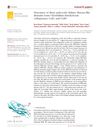
February 2015 in “Acta Crystallographica Section D: Structural Biology” This study reports that Ca 2+ binding alters the dynamics and surface properties of PKD-like domains in Clostridium histolyticum collagenases, enhancing their stability and potentially aiding in collagen-targeting vehicle development.
6 citations
,
August 2016 in “Journal of Visualized Experiments” This article describes a method using the CUBIC protocol to clarify and visualize molecular and cellular interactions in mouse skin biopsies at single cell resolution, but does not provide new biological findings.
September 1999 in “Molecular Carcinogenesis” This study reported that overexpressing ornithine decarboxylase in C57Bl/6 mice increased their sensitivity to tumor promotion by TPA, a change reversible by doxycycline treatment.