 2 citations
,
May 2025 in “Infection”
2 citations
,
May 2025 in “Infection” This source underscores the need for a multidisciplinary effort to raise awareness of Demodex and demodicosis, suggesting that prioritizing research, diagnostics, and treatment development could enhance global health outcomes and improve quality of life for affected individuals.
 2 citations
,
December 2024 in “Bulletin of Rehabilitation Medicine”
2 citations
,
December 2024 in “Bulletin of Rehabilitation Medicine” In this study, chitosan glycolate sponges demonstrated the highest cell survival rates and blood absorption, highlighting their potential as hemostatic materials, whereas chitosan ascorbate sponges inhibited cell growth and metabolic activity, indicating further development is needed.
 2 citations
,
January 2024 in “Pakistan Veterinary Journal”
2 citations
,
January 2024 in “Pakistan Veterinary Journal” This review highlights the potential of hydrogels in veterinary medicine, emphasizing their advantages over traditional wound dressings and their promising applications in drug delivery and tissue engineering, despite currently limited use in this field.
 2 citations
,
September 2023 in “Scientific reports”
2 citations
,
September 2023 in “Scientific reports” This study reports that zinc oxide or silver nanoparticles capped with vitamin A or E, incorporated into wheat gluten films, showed significant potential in promoting burn wound healing in mice by facilitating wound contraction, re-epithelialization, and collagen deposition, while also exhibiting antioxidant and antibacterial properties.
 2 citations
,
January 2017 in “Journal of Biotechnology Research Center”
2 citations
,
January 2017 in “Journal of Biotechnology Research Center” This study found that hair dyes significantly affect DNA sequence analysis, with the organic extraction method performing better on hair shafts and the prepFiler kit yielding higher success for follicle-included samples.
 2 citations
,
January 2015 in “Elsevier eBooks”
2 citations
,
January 2015 in “Elsevier eBooks” The document says biodegradable cosmetics and packaging are better for the environment and user experience.
 2 citations
,
March 2021 in “Carpathian Journal of Food Science and Technology”
2 citations
,
March 2021 in “Carpathian Journal of Food Science and Technology” This review discusses the medicinal and health benefits of caraway, Chinese chives, and cassia, focusing on their antibacterial, antioxidant, antimicrobial, anti-inflammatory, and anticancer properties due to their range of secondary metabolites.
 1 citations
,
October 2025 in “Nano Research”
1 citations
,
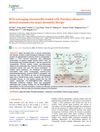
October 2025 in “Nano Research” In this study, researchers developed a dissolvable microneedle patch combining HA-TEMPO and Portulaca oleracea L.-derived nanoparticles, which effectively reduced oxidative stress and inflammation in an atopic dermatitis model while restoring immune balance, suggesting a promising treatment strategy.
 1 citations
,
June 2025 in “Frontiers in Bioengineering and Biotechnology”
1 citations
,
June 2025 in “Frontiers in Bioengineering and Biotechnology” This review examines glycopeptide hydrogels as biomimetic materials for tissue regeneration and other biomedical applications, describing their design, properties, and potential uses, and highlighting future advancements in replicating natural tissue environments for precision medicine.
 1 citations
,
February 2025 in “Notulae Scientia Biologicae”
1 citations
,
February 2025 in “Notulae Scientia Biologicae” In this study, researchers developed an in-situ gel formulation of antibacterial Levofloxacin for the eye, which showed prolonged drug release, increased residence time, and effective antibacterial action, suggesting it may be a safe and effective ocular delivery system for antibiotics.
 1 citations
,
February 2025 in “Journal of Biomedical Research & Environmental Sciences”
1 citations
,
February 2025 in “Journal of Biomedical Research & Environmental Sciences” This review explores the diverse health benefits and pharmacological properties of mushrooms, highlighting their potential use in cosmetics for antioxidant, anti-aging, and anti-hair loss effects due to their bioactive compounds.
 1 citations
,
January 2024 in “Nature communications”
1 citations
,
January 2024 in “Nature communications” This study found that stimulating toll-like receptor 5 via mucosal delivery of a flagellin-containing fusion protein effectively extended lifespan and enhanced healthspan in mice, including improved bone density and cognitive capacity.
 1 citations
,
August 2023 in “International journal of pharmacy & integrated health sciences”
1 citations
,
August 2023 in “International journal of pharmacy & integrated health sciences” This review discusses various bioactive elements in cosmeceuticals, highlighting their potential benefits, such as anti-aging effects and skin tone improvement, while noting the growing demand due to safety concerns and expanding market opportunities.
 1 citations
,
January 2023 in “European Journal of Research in Dentistry”
1 citations
,
January 2023 in “European Journal of Research in Dentistry” This study found that topical application of tideglusib in a bacterial cellulose-based hydrogel showed positive effects on the healing of palatal wounds in rats.
 1 citations
,
November 2022 in “Frontiers in medicine”
1 citations
,
November 2022 in “Frontiers in medicine” This study found differences in melanin content and gene expression in skin under black and white hair of giant pandas, providing a basis for further research on hair color distribution and skin diseases.
 1 citations
,
November 2022 in “Research Society and Development”
1 citations
,
November 2022 in “Research Society and Development” This review highlights the effectiveness of medicinal plants in treating symptoms of hair disorders, emphasizing their antifungal and antioxidant properties as supported by 23 selected studies.
 1 citations
,
July 2021 in “Current Issues in Molecular Biology”
1 citations
,
July 2021 in “Current Issues in Molecular Biology” This study found that finasteride treatment of male rats led to changes in their male offspring's testicular gene expression, potentially affecting sperm function in response to odorant-like signals.
 1 citations
,
January 2021 in “JIFFK Jurnal Ilmu Farmasi dan Farmasi Klinik”
1 citations
,
January 2021 in “JIFFK Jurnal Ilmu Farmasi dan Farmasi Klinik” In this study, the researchers found that while the chitosan-alginate gel base supported hair growth, the addition of 0.5% celery extract did not enhance growth, likely due to its low concentration.
 1 citations
,
January 2021 in “Advances in animal and veterinary sciences”
1 citations
,
January 2021 in “Advances in animal and veterinary sciences” This study observed a high prevalence of the dermatophyte M. canis in humans and pets in Egypt, particularly highlighting the potential for zoonotic transmission from dogs and cats to humans.
 1 citations
,
May 2019 in “Veterinarski arhiv”
1 citations
,
May 2019 in “Veterinarski arhiv” This study found that Malassezia pachydermatis was present on both lesion and healthy skin in a California sea lion, with significantly more colonies on the lesion site.
 1 citations
,
January 2019 in “The International Journal of Lower Extremity Wounds”
1 citations
,
January 2019 in “The International Journal of Lower Extremity Wounds” This study demonstrated in rodent models that artificial dermal template treatment can induce full-thickness skin regrowth including skin epidermis and adnexa without the need for autologous skin grafts.
 1 citations
,
January 2019 in “Elsevier eBooks”
1 citations
,
January 2019 in “Elsevier eBooks” This chapter reviews the use of electrospun matrices in creating tissue-engineered skin substitutes and reports no new clinical results; it emphasizes the need for a cell-friendly microenvironment.
 1 citations
,
January 2018 in “Recent clinical techniques, results, and research in wounds”
1 citations
,
January 2018 in “Recent clinical techniques, results, and research in wounds” This review discusses the similarities between wound healing and embryonic development, focusing on signaling pathways and their potential for developing new wound healing strategies, and reports no new clinical results.
 1 citations
,
January 2017 in “Springer eBooks”
1 citations
,
January 2017 in “Springer eBooks” This review discusses the role of flavonoids and Nod factors in the symbiosis between legumes and rhizobia and reports no new results; the authors argue this knowledge could enhance sustainable agriculture.
 1 citations
,
November 2025 in “Clinical and Experimental Medicine”
1 citations
,
November 2025 in “Clinical and Experimental Medicine” This review highlights the emerging role of long non-coding RNAs (lncRNAs) in dermatology, suggesting that lncRNAs significantly impact signaling pathways involved in normal skin functions and skin diseases, offering potential as biomarkers and therapeutic targets.
 July 2026 in “bioRxiv (Cold Spring Harbor Laboratory)”
 In this study, researchers found that the efflux of calcium in root hairs of Arabidopsis thaliana, particularly through the ER-localized ACA2 and ACA7, is crucial for modulating cytoplasmic calcium signals and enabling proper root hair growth, with disruptions leading to impaired elongation.
 June 2026 in “International Journal of Bioprinting”
 This review found that 3D bioprinting significantly advances skin tissue engineering by enabling the creation of complex, patient-specific skin structures, though technological and regulatory challenges persist, particularly in areas like scalability and physiological mimicry.
 June 2026 in “Gümüşhane Üniversitesi Fen Bilimleri Enstitüsü Dergisi”
 This study observed that biodegradable PVA/agar films with incorporated Achillea millefolium L. essential oil, especially at 1% (v/v), demonstrated good mechanical performance and selective antibacterial activity against E. coli, suggesting their potential as wound dressings.
 May 2026 in “Discover Chemistry.”
 This review presents recent advancements in bio-degradable polymers made through green chemistry, highlighting eco-friendly raw materials and methods, while also identifying challenges and future research areas to enhance their sustainability and commercial viability.
 May 2026 in “International Journal of Nanomedicine”
 This review discusses the promising roles of nanozymes in burn wound treatment, highlighting their broad enzyme-like activities that include antibacterial, anti-inflammatory, and pro-angiogenic effects, along with advantages over traditional treatments such as reduced drug resistance and higher stability.