 June 2026 in “Frontiers in Cell and Developmental Biology”
 In this review, researchers examined how needle gauge and length impact the viability of human stem cells during injections, emphasizing the balance between minimizing tissue trauma and preserving cell viability to optimize clinical protocols.
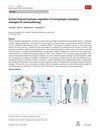
This review highlights that surface mechanical regulation can program macrophage behavior through specific mechanical cues on material surfaces, potentially advancing immunotherapies and regenerative medicine by enabling precise control over macrophage functions.
 February 2026 in “Frontiers in Pharmacology”
 This review suggests a shift toward genetically informed treatments for male pattern hair loss by integrating genetic insights and pharmacogenetic markers into therapeutic decision-making.

This narrative review highlights the potential of exosomes in regenerative and aesthetic dermatology, particularly in India, but emphasizes that their clinical use is still investigational due to limited and diverse study data, insufficient long-term safety information, and regulatory challenges.
 January 2026 in “Immune Network”
 This review discusses the heterogeneity of Tregs in normal and tumor environments, emphasizing the complexity of targeting tumor-resident Tregs while maintaining systemic immune tolerance, but reports no new findings.

This chapter explores the potential of phytochemicals in modulating human endocrine function, emphasizing the growing interest in plant-derived alternatives to synthetic medications for managing metabolic and hormonal disorders often linked to chemical exposures and lifestyle factors.
 December 2025 in “Scientific Reports”
 In this study, cedrol was found to reduce lipid accumulation in the liver and adipose tissues of dexamethasone-treated mice by antagonizing glucocorticoid receptors, suggesting its potential utility in treating dexamethasone-induced lipid metabolism disorders.
 December 2025 in “Clinical Cosmetic and Investigational Dermatology”
 This study highlights the potential of ZDHHC17 methylation as a biomarker or therapeutic target in addressing skin aging, offering new insights into its molecular mechanisms.
 November 2025 in “Frontiers of Agricultural Science and Engineering”
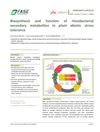
 This study observed that rhizobacterial strain RT3 significantly improved drought tolerance in lettuce by increasing survival rates and fresh biomass after rewatering, with metabolites such as proline and glycine enhancing stress resilience.
 October 2025 in “bioRxiv (Cold Spring Harbor Laboratory)”
 This study experimentally validated Lockhart's viscoplastic framework for tip growth in Arabidopsis root hairs by demonstrating alignment with observed growth rates and estimating yield turgor pressure and cell wall viscosity, offering a methodology adaptable to other species and conditions.
 July 2025 in “Insights-Journal of Health and Rehabilitation”
 In this quasi-experimental study, a 12-week intermittent fasting regimen significantly improved insulin sensitivity and reduced HbA1c levels in overweight South Asian adults with prediabetes, suggesting a practical lifestyle strategy to potentially delay the onset of type 2 diabetes.

This study utilized polarized light microscopy to examine hair shafts in ten children with rare genetic disorders, such as Netherton syndrome and ectodermal dysplasia, providing valuable diagnostic insights into hair thickness, composition, and structural irregularities associated with these conditions.
 February 2024 in “Journal of Health Science and Medical Therapy”
 This review discusses the role of ADAM 17 in gynecological disorders, particularly PCOS, and suggests its potential for therapeutic intervention, but reports no new clinical results.
 January 2024 in “Biological trace element research”
 In this study, isotretinoin treatment for acne vulgaris was associated with changes in plasma phosphorus, potassium, magnesium, and zinc levels, potentially affecting kidney function and contributing to side effects like fatigue and dry skin.
 October 2023 in “bioRxiv (Cold Spring Harbor Laboratory)”
 In this study, researchers found that while blocking either glycolysis or glutaminolysis in cancer cells did not prevent tumor growth due to metabolic flexibility, simultaneous inhibition of both pathways hindered carcinoma development, indicating multiple interventions may be necessary for effective metabolic manipulation in cancer treatment.
 August 2023 in “Natural Resources for Human Health”
 This paper offers a detailed overview of B vitamins, detailing their importance for energy, cognition, and metabolism, conditions leading to their deficiencies, symptoms of deficiencies, and the foods rich in these essential nutrients.
 July 2023 in “bioRxiv (Cold Spring Harbor Laboratory)”
 This study reports that a low concentration of chitosan induces callose deposition and slows root hair growth in Arabidopsis, suggesting an evolutionary conservation of this response to mild biotic stress across plant types.

This review discusses the potential of extracellular vesicles from various sources for skin rejuvenation and cosmetic use, noting promising results, especially with mesenchymal stem cell-derived vesicles, but reports no new clinical results.
 November 2022 in “Gene Cell and Tissue”
 This study found no significant correlation between zinc deficiency and vitamin B12 levels in blood samples from Ahvaz residents, despite some observed age-related trends in micronutrient levels.
 September 2022 in “Institutional Repositories DataBase (IRDB)”
 Adipose-derived stem cells can be transformed into hair-forming cells using specific extracellular vesicles, offering potential for hair regeneration therapies.
March 2022 in “Biomedical Journal of Scientific & Technical Research” This review discusses therapeutics for mitochondrial dysfunction and reports no new clinical findings.

This review discusses the medicinal uses and phytochemical composition of Eclipta alba and reports no new clinical findings; the authors suggest its potential therapeutic significance due to complex interactions of its constituents.
 November 2020 in “bioRxiv (Cold Spring Harbor Laboratory)”
 The study found that dermal EZH2 plays a crucial role in coordinating dermal fibroblast differentiation and epidermal development by modulating Wnt/β-catenin and retinoic acid signaling.
 November 2020 in “bioRxiv (Cold Spring Harbor Laboratory)”
 This study found that the Polycomb Repressive Complex 2, particularly its component Ezh2, is crucial in regulating dermal fibroblast differentiation and epidermal keratinocyte proliferation during murine skin development.
 April 2020 in “Journal of evolution of medical and dental sciences”
 This report reviews the clinical presentation and genetic aspects of a case of acrodermatitis enteropathica in a one-year-old child but provides no new clinical findings.
 September 2018 in “Facial Plastic Surgery Clinics of North America”
 Biologicals are increasingly used in medicine and cosmetics, especially for skin and hair treatments, but more research is needed.
 April 2017 in “The journal of investigative dermatology/Journal of investigative dermatology”
 This study observed that mice lacking epidermal HSD11b1 had increased non-histaminergic itch and changes in skin nerve fibers, potentially linked to higher TSLP expression.
 December 2013 in “Biomedical and biopharmaceutical research”
 This review discusses technological advances in liposome systems for drug delivery and reports no new clinical results; it highlights the clinical acceptance and market presence of liposomal products.
This study found that in a rat model of alopecia, combining low-level laser therapy with Neoptide treatment resulted in better hair regrowth compared to either treatment used alone.
 October 2010 in “Epilepsy Currents”
 This study found that inhibitory neurosteroids synthesized within glial cells can reduce seizure frequency in epileptic animals by enhancing inhibitory transmission via γ-aminobutyric acid receptors.