January 2019 in “Cell & developmental biology” This study found that using 3D cultures and fetal tissue extracts significantly improved the outcomes of stem cell treatments for regenerative medicine, including hair follicle formation and chronic wound healing.
 September 2018 in “Central Asian journal of medical sciences (Print)”
 This study found that Urticadioica L ethanol extracts enhanced hair growth and reduced catagen transition in human hair follicles in an ex vivo organ culture model.
This study found that fibroblast growth factor 20 (Fgf20) orchestrates the movement and behavior of dermal fibroblasts, directing their formation into dermal condensates during hair follicle development in mice.
 April 2018 in “Journal of Investigative Dermatology”
 This study found that the loss of transcription factor Ovol2 in epidermal and hair follicle stem cells leads to migration defects, which are partially improved by deleting the EMT-inducing Zeb1.
 April 2016 in “The journal of investigative dermatology/Journal of investigative dermatology”
 This study found that Sox2 and BMP signaling may be key regulators of pigmentation and melanocyte migration, as suggested by experiments in mice, human biopsies, and cell co-cultures.
January 2016 in “Frontiers in Bioengineering and Biotechnology” In this study, a porous keratin hydrogel derived from wool hair demonstrated strong mechanical properties and supported the growth of various animal cells, indicating potential as a scaffold in tissue engineering.
October 2014 in “Microscopy” This study found that using ionic liquid for specimen preparation allowed for observation of dermal papilla cells and their cilia in near-living conditions, reducing damage typically caused by conventional preparation methods.
 August 2011 in “Planta Medica”
 This study suggests that the hair growth-promoting effects of 4-O-methylhonokiol may be linked to its ability to modulate TGF-β-induced cell cycle arrest and oxidative stress in HaCaT cells.
April 2011 in “The FASEB Journal” This study found that profilin1 protein significantly accelerated wound healing in transgenic mice by reducing wound size and enhancing vascularization and cell migration compared to nontransgenic and 88R/L mice.
March 2008 in “Faculty Opinions – Post-Publication Peer Review of the Biomedical Literature” This study found that a positive feedback loop involving RHD2, reactive oxygen species, and calcium ions helps maintain root hair growth sites and influences cell shape in Arabidopsis thaliana.
January 1992 in “Proceedings of the New Zealand Society of Animal Production” This study observed that key signaling events controlling hair growth in ferret follicles occur between 0 and 4 days after melatonin implantation, highlighting distinct processes in follicular regeneration and fibre growth.
 April 2023 in “The journal of investigative dermatology/Journal of investigative dermatology”
 This study found that local PGE2 injection may prevent radiotherapy-induced hair loss by protecting hair follicle cells and promoting hair follicle self-repair.
April 2023 in “Journal of Investigative Dermatology” This study identified distinct myeloid subsets in the scalp of men with androgenetic alopecia, potentially revealing new drug targets for treatment.
April 2023 in “Journal of Investigative Dermatology” This study found that blocking apoptosis during the catagen phase in mice disrupts hair follicle stem cell niche architecture, delaying subsequent hair regeneration cycles.
 February 2023 in “International Journal of Molecular Sciences”
 This study found that exosomes derived from dermal papilla cells can enhance the proliferation of hair follicle stem cells by stimulating the LEF1 pathway, offering insights into hair follicle growth regulation.
November 2022 in “Journal of Nanobiotechnology” In this study, researchers used a new method with platelet-rich plasma-loaded microcarriers to enhance dermal papilla cell activity and hair follicle regeneration, achieving significant hair and vessel growth in a mouse model compared to control groups.
 January 2022 in “Biomedical Reports”
 This study suggests that inaudible sound at 30 kHz may promote hair growth and inhibit hair loss signals in human dermal papilla cells, indicating potential as a new treatment for androgenic alopecia.
 June 2019 in “Stem Cell Research”
 This study established a pluripotent stem cell line from a patient with androgenetic alopecia, which can potentially be used to study the disease's pathological mechanisms.
 116 citations
,
September 2020 in “Nature Communications”
116 citations
,
September 2020 in “Nature Communications” This study reports previously unrecognized cellular complexity in growing mouse incisors, suggesting species-specific differences in cell dynamics between mouse and human teeth related to growth and differentiation.
1 citations
,
January 2025 in “Burns & Trauma” This study found that targeting the molecule Midkine may reduce pain and itching in keloid patients by inhibiting specific Schwann cell activities contributing to these symptoms.
 January 2023 in “Annals of dermatology/Annals of Dermatology”
 This study found that overexpression of miR-1246 in peripheral CD4+ T cells can reduce markers associated with inflammation and T cell activation in severe active alopecia areata, suggesting potential therapeutic benefits.
 301 citations
,
February 2019 in “Nature Communications”
301 citations
,
February 2019 in “Nature Communications” In this study, researchers found that wound healing in mouse skin recruits diverse fibroblasts, including myeloid-derived cells, which contribute to regenerating adipocytes.
 133 citations
,
May 2016 in “Cell Host & Microbe”
133 citations
,
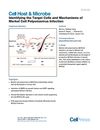
May 2016 in “Cell Host & Microbe” In this study, human dermal fibroblasts were identified as natural host cells that support productive Merkel cell polyomavirus infection, and the MEK antagonist trametinib was introduced as an effective inhibitor to control the virus.
32 citations
,
February 2002 in “Veterinary Dermatology” This study reported that canine dermal papilla cells showed a distinct growth pattern and strong collagen IV and laminin staining compared to dermal fibroblasts.
20 citations
,
May 2011 in “Journal of Clinical Investigation” In this study, a transgenic mouse model was used to demonstrate that targeted cell loss in different tissues led to varying degrees of regenerative outcomes, including reversible impaired glucose tolerance, irreversible hair loss, and permanent moderate deafness.
13 citations
,
August 1999 in “Journal of Investigative Dermatology” This study found that bikunin is expressed in human keratinocytes and may play a role in regulating keratinocyte function during mitosis or inflammation.
8 citations
,
December 2022 in “BMC Genomics” This study revealed gene expression patterns in yak hair follicles during different growth phases, enhancing the understanding of cell fate specialization and providing insights for yak villus development.
 4 citations
,
September 2020 in “Cell division”
4 citations
,
September 2020 in “Cell division” In this study, XMU-MP-1 unexpectedly reduced cell proliferation and altered cell cycle progression in a model human hair follicle, possibly due to off-target kinase inhibition.
1 citations
,
April 2025 in “BMC Veterinary Research” This study found that PSAT1 is a key regulator of cellular survival and regenerative capacity in cashmere goat hair follicle stem cells, highlighting its role in the SHF cycle and its potential as a target to boost cashmere fiber production.
1 citations
,
January 2025 in “Advances in Wound Care” This study identified dual epithelial and mesenchymal traits in dermal sheath cells during wound repair, suggesting they could be targeted to enhance healing.