 July 2026 in “Journal of Ovarian Research”
 In this study, researchers used single-cell RNA sequencing to identify seven cell types, including distinct steroidogenic and immune cells, in the tumor microenvironment of a case of ovarian SCT-NOS, providing insights into its cellular heterogeneity and molecular mechanisms related to hyperandrogenism.
 January 2026 in “Biomedicines”
 This study identified increased expression of ACAA1 and its regulation by hsa-miR-1343-3p, linking androgenetic alopecia to lipid metabolism pathways, particularly through PPAR signaling, in scalp tissues.
In these aquatic laboratory studies, researchers found that Finasteride reduced dihydrotestosterone levels in fathead minnows and increased gene expression related to androgen pathways in both minnows and medaka, indicating potential conservation of pharmaceutical effects on androgen biosynthesis across different species.
September 2025 in “International Journal of Molecular Sciences” This study found that Hashimoto's thyroiditis and alopecia areata show distinct gut microbial patterns, with specific microbes like Bacteroides fragilis and Microbacterium sp. T32 potentially linked to autoimmune activity.
July 2025 in “Journal of Cutaneous Pathology” In this case report, a newborn with Conradi-Hünermann-Happle syndrome was diagnosed through early skin biopsy, which revealed unique histopathological features, including dystrophic calcifications, confirming a pathogenic variant in the EBP gene.

This study reported that genome sequencing and analysis of mink hair keratin genes reveal the amino acid composition of key proteins and offer insights into fur biosynthesis, potentially aiding conservation efforts through transgenic animal design to produce mink fur and help save endangered mink species.
 January 2024 in “Journal of Applied Pharmaceutical Science”
 This study identified procyanidin B2 and leucopelargonidin from Saraca asoca as potential inhibitors in PCOS by showing high binding energy scores against key enzymes involved in estrogen and testosterone biosynthesis.
 June 2023 in “Journal of biological chemistry/The Journal of biological chemistry”
 This study on Sdr16c5/Sdr16c6-null mice found that inactivating these genes significantly increased Meibomian gland secretions and altered lipid profiles but had a subtle impact on sebogenesis, suggesting the genes control a bifurcation point in meibogenesis pathways.
 April 2023 in “The journal of investigative dermatology/Journal of investigative dermatology”
 This preliminary study of Alopecia Areata identified limited expression of certain metabolic transporters and enzymes in hair follicle immune cells, providing early insight into their unique energy needs.
 October 2021 in “Journal of Advanced Biomedical and Pharmaceutical Sciences”
 This study reviews polycystic ovary syndrome and vitamin D, reporting no new results, and notes the involvement of vitamin D receptors and insulin in ovarian function.
 May 2021 in “Journal of the Endocrine Society”
 This report presents a rare case of suspected 3β HSD deficiency in an adult female with symptoms like male pattern hair loss and low testosterone, suggesting a non-classical presentation.

This study found that lateral root formation in plants in response to L. bicolor volatiles involves complex signaling processes, potentially including unknown proteins, CRKs, and ABA pathways.
 April 2020 in “The FASEB Journal”
 This study found that disrupting testosterone biosynthesis in male rats mitigated cardiovascular and autonomic impairments caused by endotoxemia, indicating testosterone's significant role in these conditions.
January 2019 in “DSpace@MIT (Massachusetts Institute of Technology)” This study found that increased PHGDH expression in mice led to earlier melanin and melanocyte presence in hair follicles but did not induce cancer.
 January 2018 in “Computational Toxicology”
 This review introduces pharmacophore technology and discusses its applications in toxicity prediction and limits, but reports no new clinical results.
January 2012 in “Journal of Investigative Dermatology” The document presented various studies on hair and cutaneous development, revealing insights into hair biology and potential therapeutic targets for hair-related conditions. Key findings included the role of stem cells and their niches in hair regeneration, the impact of TACE/ADAM17 depletion on alopecia, and the expression of somatostatin in hair follicles. Research on genetic factors, such as CYLD mutants and P-cadherin, highlighted their importance in hair growth and pigmentation. Studies on hair aging identified genes involved in hair loss in women over 40. Additionally, the potential of keratinocyte precursors from iPS cells for hair follicle regeneration and the effectiveness of a parathyroid hormone analog in reversing chemotherapy-induced alopecia were explored. The document also discussed the role of cholesterol biosynthesis in cicatricial alopecia, the necessity of Wnt signaling for hair follicle initiation, and the effects of ATP-sensitive potassium channel blockers on hair growth. These findings collectively advanced the understanding of hair growth, alopecia treatment, and skin regeneration.
February 2010 in “Faculty Opinions – Post-Publication Peer Review of the Biomedical Literature” This research identified fluphenazine as a novel agent that induced hair growth in mice, with iloprost further enhancing this effect, through gene expression analysis and connectivity mapping.
 February 2010 in “ePrints Soton (University of Southampton)”
 This research found that androgen bioactivity plays a role in normal female sexual differentiation, suggesting females develop within a significant androgenic environment, with implications for understanding conditions like congenital adrenal hyperplasia.
 January 2004 in “Online Publication Service of Würzburg University (Würzburg University)”
 This study found that women with PCOS displayed significantly higher activity of 5alpha-reductase, suggesting an additional role for liver and peripheral tissues in their androgen excess.
 January 2004 in “Online Publication Service of Würzburg University (Würzburg University)”
 This study found that women with PCOS have higher activity of the enzyme 5alpha-reductase, which may contribute to their elevated androgen levels.
September 2002 in “Research Repository (Kingston University London)” This review discusses strategies for treating hormone-dependent prostate diseases and synthesizes a range of potential 5α-reductase inhibitors, but experimental evaluation of these compounds was not completed.
January 2000 in “Alambique: Didáctica de las ciencias experimentales” This study found that impairments in cholesterol biosynthesis in hair follicles of primary cicatricial alopecia patients trigger an inflammatory immune response, potentially linking sterols to inflammation in the disease's pathogenesis.
December 1990 in “PubMed” This article discusses the role of androgens in causing hirsutism and male pattern baldness in women and emphasizes the need for antiandrogen treatment to manage these conditions, without reporting new clinical results.
1 citations
,
January 1981 in “Elsevier eBooks” Melatonin stops melanin production after tyrosinase action, with cyclic GMP mimicking this effect.
 August 2016 in “Journal of Investigative Dermatology”
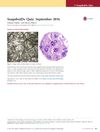
 This quiz based on a Journal of Investigative Dermatology article reports no new clinical results but serves as an educational tool for diagnosing scalp conditions, including scalp psoriasis and psoriatic alopecia.
April 2016 in “The journal of investigative dermatology/Journal of investigative dermatology” This study observed that sebaceous gland atrophy in psoriatic lesions correlates with the down-regulation of specific lipid biosynthetic gene modules, potentially affecting hair appearance without damaging follicles.
31 citations
,
February 1983 in “American Journal of Clinical Nutrition” In this study, two patients with long-term total parenteral nutrition and no biotin intake experienced hair regrowth after biotin supplementation, suggesting biotin deficiency can lead to alopecia.
 27 citations
,
April 2017 in “British Journal of Dermatology”
27 citations
,
April 2017 in “British Journal of Dermatology” This study identified overexpression of certain immune-related genes and underexpression of genes in specific signaling pathways in premature androgenetic alopecia, suggesting potential new therapeutic targets.
23 citations
,
April 2010 in “Comparative Biochemistry and Physiology Part C Toxicology & Pharmacology” This study found that exposure to sex steroid biosynthesis inhibitors increases the expression of piRNA pathway genes in frog larvae, suggesting these genes play a role in gonadal sex differentiation.
 23 citations
,
March 1994 in “Fertility and sterility”
23 citations
,
March 1994 in “Fertility and sterility” This study found that oral contraceptives effectively suppressed hyperandrogenemia in most patients with hyperandrogenic-insulin-resistant acanthosis nigricans syndrome, though GnRH-a therapy was beneficial for those not responding initially.