 2 citations
,
February 2025 in “Applied Microbiology and Biotechnology”
2 citations
,
February 2025 in “Applied Microbiology and Biotechnology” This study suggests that Isaria cicadae Miquel rice fermentation extract may enhance regenerative wound healing of hair follicles in mouse skin through the Hippo pathway mechanism.
 2 citations
,
January 2025 in “动物学研究”
2 citations
,
January 2025 in “动物学研究” In this study, overexpression of YAP1 was found to promote adipogenic differentiation of goat adipose-derived mesenchymal stem cells by up-regulating LATS2 expression and activating the Hippo pathway's negative feedback loop.
 2 citations
,
August 2023 in “Journal of Endocrinological Investigation”
2 citations
,
August 2023 in “Journal of Endocrinological Investigation” In this study, researchers found that pregnant mice exposed to excessive androgen led to thinner ventricular walls and cardiac hypertrophy in offspring, suggesting that prenatal androgen exposure adversely affects cardiac health through reduced cardiomyocyte proliferation.
 2 citations
,
September 2022 in “Frontiers in genetics”
2 citations
,
September 2022 in “Frontiers in genetics” This study found that cashmere has a significantly smaller mean fiber diameter compared to sheep and goat wool, and identified key proteins that may influence this difference.
 2 citations
,
May 2022 in “Research Square (Research Square)”
2 citations
,
May 2022 in “Research Square (Research Square)” This study demonstrates that the amino-terminally shortened KGF-1 variant with 135 residues maintains biological activity, suggesting it may serve as an alternative to the original KGF-1 for certain therapeutic applications.
 2 citations
,
April 2021 in “bioRxiv (Cold Spring Harbor Laboratory)”
2 citations
,
April 2021 in “bioRxiv (Cold Spring Harbor Laboratory)” This study found that skin surface lipids contain measurable mRNAs, providing a non-invasive way to study skin diseases, with specific gene expression changes observed in atopic dermatitis patients.
 2 citations
,
August 2024 in “Animal Bioscience”
2 citations
,
August 2024 in “Animal Bioscience” This study suggests that m6A-circHECA may influence the physiology of cashmere goats' SHFs both through miRNA pathways and interactions with target proteins, with promoter methylation potentially inhibiting its gene expression.
 2 citations
,
April 2020 in “bioRxiv (Cold Spring Harbor Laboratory)”
2 citations
,
April 2020 in “bioRxiv (Cold Spring Harbor Laboratory)” This study reveals that basement membrane composition and structure in mouse hair follicles are specialized for distinct inter-tissue interactions, with laminin α5 being essential for maintaining these interfaces.

This study found that γδ T cells play a role in regulating stromal behavior, influencing the composition and vascularity of fibrotic tissues during the foreign body response.
 1 citations
,
October 2025 in “Nano Research”
1 citations
,
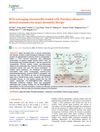
October 2025 in “Nano Research” In this study, researchers developed a dissolvable microneedle patch combining HA-TEMPO and Portulaca oleracea L.-derived nanoparticles, which effectively reduced oxidative stress and inflammation in an atopic dermatitis model while restoring immune balance, suggesting a promising treatment strategy.
 1 citations
,
June 2025 in “Scientific Reports”
1 citations
,
June 2025 in “Scientific Reports” In this study on testosterone-induced benign prostatic hyperplasia in rats, hydroxychloroquine significantly reduced prostate-related markers and enhanced therapeutic effects when combined with finasteride, suggesting potential as a new treatment approach.
 1 citations
,
September 2024 in “Frontiers in Cell and Developmental Biology”
1 citations
,
September 2024 in “Frontiers in Cell and Developmental Biology” Pigs are a good model for studying human hair growth and disorders.
 1 citations
,
March 2024 in “Cellular and Molecular Biology”
1 citations
,
March 2024 in “Cellular and Molecular Biology” In this study, researchers observed that Zibai ointment promoted chronic wound healing in rats by influencing the bFGF/Wnt/β-Catenin signaling pathway, demonstrating a higher wound healing rate compared to other treatments.
 1 citations
,
January 2024 in “Food Science and Technology Research”
1 citations
,
January 2024 in “Food Science and Technology Research” In this study, researchers evaluated the hair growth-promoting effects of strawberry water-extract on human follicle dermal papilla cells and found it enhanced cell metabolism, though it did not significantly alter hair growth-related gene expression.
 1 citations
,
October 2023 in “Life science alliance”
1 citations
,
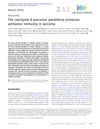
October 2023 in “Life science alliance” This study observed that pantethine, a vitamin B5 precursor, attenuates tumor growth in immunocompetent mice by enhancing antitumor immunity, but its effect is limited by immune cell exhaustion over time.
 1 citations
,
August 2023 in “Biomolecules & therapeutics”
1 citations
,
August 2023 in “Biomolecules & therapeutics” In this study, researchers found that recombinant human HAPLN1 promoted hair growth in mice and human hair matrix cells by activating specific signaling pathways, suggesting it may offer a potential hair loss treatment with fewer side effects than existing medications.
 1 citations
,
May 2023 in “Frontiers in medicine”
1 citations
,
May 2023 in “Frontiers in medicine” This review explores how hair dyes and perms can damage hair structure and notes that while some adverse outcomes like skin irritation and allergic reactions have been reported, evidence from human studies remains inconsistent regarding potential risks, including cancer.
 1 citations
,
January 2023 in “Burns and trauma”
1 citations
,
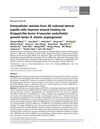
January 2023 in “Burns and trauma” This study found that tdDPC-EVs significantly improved wound healing by enhancing angiogenesis through the KLF4/VEGFA axis, offering advantages over traditional DPC-EVs.
 1 citations
,
December 2022 in “Biomolecules & therapeutics”
1 citations
,
December 2022 in “Biomolecules & therapeutics” This study found that a long-term astrocyte culture model can effectively study astrocyte senescence and suggests minoxidil as a potential candidate to regulate brain aging by normalizing dysregulated gene expression in aged astrocytes.
 1 citations
,
July 2022 in “Han'gug sigpum yeong'yang gwahag hoeji/Journal of the Korean society of food science and nutrition”
1 citations
,
July 2022 in “Han'gug sigpum yeong'yang gwahag hoeji/Journal of the Korean society of food science and nutrition” In this study, ELE was found to protect against oxidative stress-induced testosterone reduction in TM3 Leydig cells by increasing testosterone synthesis and decreasing its conversion.
 1 citations
,
May 2022 in “Frontiers in medicine”
1 citations
,
May 2022 in “Frontiers in medicine” This study found that topical application of metformin significantly enhanced skin regeneration in mechanically stretched skin in rats, likely by boosting the proliferation of skin-derived stem cells.
 1 citations
,
April 2022 in “Cell Death Discovery”
1 citations
,
April 2022 in “Cell Death Discovery” This study found that SMAD2 overexpression in human hair follicle stem cells promoted differentiation and apoptosis while inhibiting proliferation, and Smurf2 upregulation limited mouse wound healing by suppressing the SMAD2/NANOG/DNMT1 axis.
 1 citations
,
April 2019 in “Clinical Breast Cancer”
1 citations
,
April 2019 in “Clinical Breast Cancer” This study found that in men with benign prostatic hyperplasia, 5-alpha reductase inhibitors significantly increased the risk of gynecomastia and breast tenderness compared to placebo or alpha-blockers.
 1 citations
,
January 2018 in “Methods in molecular biology”
1 citations
,
January 2018 in “Methods in molecular biology” This research describes methods to activate melanocyte stem cells during hair follicle regeneration and to isolate melanocytes from neonatal mouse skin, with the aim of studying melanogenesis for potential clinical applications.
 1 citations
,
July 2016 in “Livestock science”
1 citations
,
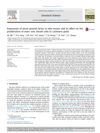
July 2016 in “Livestock science” This study suggests that nerve growth factor may support hair follicle growth in Liaoning cashmere goats through pathways involving its receptor, TrkA, particularly during the anagen phase.
 1 citations
,
December 2025 in “Frontiers in Endocrinology”
1 citations
,
December 2025 in “Frontiers in Endocrinology” This review examines the potential role of gut microbiota and its metabolites in polycystic ovary syndrome (PCOS) and highlights the growing interest in this area; it reports no new clinical findings.
 1 citations
,
June 2025 in “International Journal of Plant and Environment”
1 citations
,
June 2025 in “International Journal of Plant and Environment” This study found that nickel oxide nanoparticles synthesized using Alternanthera sessilis extract may have potential as antimicrobial, antifungal, and dye-removal agents.
 1 citations
,
November 2023 in “Naunyn-Schmiedeberg's archives of pharmacology”
1 citations
,
November 2023 in “Naunyn-Schmiedeberg's archives of pharmacology” This review focused on the bioactive compounds and pharmacological properties of Lawsonia inermis (henna) and found that it contains various beneficial compounds with potential therapeutic applications, such as antioxidant and anti-inflammatory effects, indicating a need for further investigation into its medical benefits.
 1 citations
,
April 2021 in “Current Stem Cell Reports”
1 citations
,
April 2021 in “Current Stem Cell Reports” This review discusses the role of metabolism in maintaining adult stem cell homeostasis with aging and highlights the potential benefits of dietary restrictions on stem cell function and longevity. It reports no new clinical results and emphasizes the need for further molecular studies.
 1 citations
,
March 2020 in “Functional foods in health and disease/Journal of functional foods in health & disease”
1 citations
,
March 2020 in “Functional foods in health and disease/Journal of functional foods in health & disease” This study found that OM-X® supplementation effectively prevented adverse biological changes caused by vitamin C deficiency in SMP30/GNL KO mice, improving energy maintenance, antioxidant capacity, and protein synthesis.