 September 2025 in “Frontiers in Cell and Developmental Biology”
 In this review, retinoids are highlighted as promising agents for promoting scarless skin regeneration by coordinating cellular and molecular processes that suppress fibrosis, enhance re-epithelialization, promote angiogenesis, and enable hair follicle formation, potentially advancing functional skin repair.
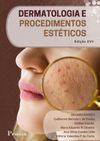 September 2025 in “Editora Pasteur eBooks”
 This abstract discusses the broad scope of dermatology and aesthetic procedures, highlighting their significant multidisciplinary evolution within the health sciences, but it does not report specific study results.

This study found that proretinal nanoparticles, applied topically, are safe and effective for penetration into hair follicles, enhancing retinoid biological activity in the skin while reducing irritation compared to conventional retinal formulations.
 January 2018 in “General internal medicine and clinical innovations”
 In this review, the researchers found no statistically significant difference in overall survival and disease-free survival between busulfan/cyclophosphamide and total bone irradiation conditioning regimens for acute myeloid leukemia patients.
 June 2017 in “Journal of evolution of medical and dental sciences”
 This study observed that 21.6% of oncology patients experienced dermatological side effects from anti-cancer drugs, with hair loss and skin pigmentation changes being the most common.
 January 2016 in “Springer eBooks”
 This review discusses medications used in dermatology, detailing their side effects and interactions, and reports no new clinical results.
 January 2011 in “Side effects of drugs annual”
 Tretinoin gel is safe for sun exposure, but tacalcitol doesn't significantly improve non-segmental vitiligo.
 January 2005 in “Boletín del Instituto de Estudios Giennenses”
 This study found significant improvements in hair growth parameters and a reduction in hair fall after using the test product for 90 days, with no adverse events reported.

This health hazard evaluation by NIOSH identified problems with ventilation and environmental control at a resort spa, potentially contributing to reported employee health complaints.
 June 2026 in “Revista Brasileira de Saúde”
 This study reviewed current scientific evidence on the use of exosomes for treating alopecias, finding they may stimulate dermal papilla cell proliferation and modulate inflammation, though challenges in standardization and long-term efficacy remain.
 June 2026 in “Frontiers in Materials”
 This review examines advancements in "smart" hydrogel dressings for complex wound healing, highlighting innovations in materials that provide multifunctionality, such as responsive drug delivery and regenerative capabilities. The study also addresses potential challenges in clinical application, like manufacturing and regulatory hurdles.
 May 2026 in “Revista Ensaios Pioneiros”
 This study developed and evaluated topical formulations containing 5% minoxidil and 1% rosemary essential oil for androgenetic alopecia treatment, finding them physically and chemically suitable, but noted that further stability tests and clinical trials are needed to confirm therapeutic efficacy and safety.
 May 2026 in “International Journal of Drug Delivery Technology”
 This clinical trial found that using a 45-degree angled implanter with the bevel facing the skin in FUE hair transplantation significantly reduced insertion resistance, graft popping, and bleeding, while improving efficiency and graft alignment compared to conventional methods.
 April 2026 in “Frontiers in Bioengineering and Biotechnology”
 This study found that a cellulose membrane significantly shortened the healing time and reduced the ulcer area in patients with chronic venous leg ulcers compared to a standard antimicrobial dressing.
 March 2026 in “Revista Ibero-Americana de Humanidades, Ciências e Educação”
 This study reports that perioperative use of dutasteride, both orally and through mesotherapy, may enhance hair graft survival and reduce shock loss in patients undergoing hair transplantation for androgenetic alopecia.

This study demonstrates that a novel autologous hair follicle-derived epithelial sheet can effectively repigment skin in patients with stable vitiligo, offering a potential new treatment option.
 March 2026 in “Revista Ibero-Americana de Humanidades, Ciências e Educação”
 In this study, L-PRF was associated with successful osseointegration and tissue healing when used with biomaterial for dental implants in a patient with an atretic bone ridge.
 March 2026 in “Frontiers in Medicine”
 In this retrospective study, follicular unit excision was reported to effectively repair unsatisfactory hairlines in men with androgenetic alopecia, with 95% of 20 participants expressing satisfaction after the procedure and most experiencing successful outcomes with minimal scarring.
 March 2026 in “Editora Pasteur eBooks”
 This study reviews hair follicle physiology and common scalp diseases such as androgenetic alopecia, telogen effluvium, and alopecia areata, highlighting their pathophysiology and current treatment approaches, which may include topical, systemic, and adjunctive therapies.
 February 2026 in “Editora Pasteur eBooks”
 This abstract does not report specific research results but introduces a book focusing on the intersection of endocrinology and aesthetic medicine and its growing importance in contemporary clinical practice.
 February 2026 in “Brazilian Journal of Implantology and Health Sciences”
 This integrative literature review revealed that chronic stress, characterized by elevated cortisol levels, negatively impacts hair follicle integrity and contributes to alopecia by promoting the premature transition from the growth phase to the resting phase of the hair cycle.
 February 2026 in “Frontiers in Medicine”
 This review discusses strategies to identify, prevent, and manage complications in FUE and reports no new clinical results.
 January 2026 in “Revista Eletrônica Acervo Saúde”
 This study reported that among individuals with long COVID, hematologic disturbances such as inflammation-related anemia, characterized by high hepcidin levels and restricted iron use, were prevalent, contributing to reduced capacity, fatigue, and slow recovery, especially in men and those with severe acute COVID-19.
 January 2026 in “Pediatria Polska”
 In this case series, five pediatric patients with tinea capitis showed varied clinical presentations, emphasizing the need for early diagnosis and prompt systemic antifungal therapy to prevent permanent outcomes such as alopecia and scarring.
 December 2025 in “Open Repository of the University of Porto (University of Porto)”
 Pharmacists play a crucial role in improving patient outcomes through personalized care and staying updated with scientific advancements.
 November 2025 in “Open Repository of the University of Porto (University of Porto)”
 This report reviews a pharmacy internship experience, presenting activities and two scientific topics, but does not report new research findings.
 November 2025 in “Open Repository of the University of Porto (University of Porto)”
 This report covers an internship at a pharmacy and hospital where multiple pharmaceutical activities were examined, including the preparation of individualized medication and the comparison of drugs for hypercholesterolemia treatment.
 November 2025 in “Clinical Cosmetic and Investigational Dermatology”
 This study found that a combination of five medicinal plants traditionally used in Chinese medicine significantly improved skin repair and delayed aging markers in laboratory models, suggesting synergistic anti-aging effects over individual ingredients.
 October 2025 in “Revista Ibero-Americana de Humanidades, Ciências e Educação”
 In this study, researchers found significant neuropsychiatric complications from dengue infection, such as anxiety, depression, and even mania, during acute and recovery phases, linked to inflammatory responses and potential direct viral effects on the central nervous system.
 October 2025 in “Open Repository of the University of Porto (University of Porto)”
 This report details a six-month pharmacy internship in Portugal, where the author engaged in hospital and community pharmacy settings, and discusses scientific topics including obesity medication risks and alopecia treatment options. Results and conclusions are not explicitly reported.