 February 2026 in “International Journal of Recent Surgical and Medical Sciences”
 This review highlights that both human-derived and plant-derived exosomes show anti-inflammatory and antioxidant properties, with human exosomes being better for targeted medicinal treatments due to their ability to transport healing drugs, while plant exosomes are more scalable and cost-effective for cosmetic applications.
 February 2026 in “Oncology Reviews”
 This review highlights the promising clinical outcomes of sacituzumab tirumotecan (sac-TMT), an antibody-drug conjugate for breast cancer that targets TROP2, demonstrating improved response rates and progression-free survival, with manageable safety concerns including primarily mild-to-moderate nausea and alopecia.
 February 2026 in “Frontiers in Public Health”
 This review discusses the potential impact of lifestyle factors on the progression of androgenetic alopecia and reports no new clinical findings; the authors emphasize the need for more comprehensive studies.
 February 2026 in “Frontiers in Medicine”
 This review discusses strategies to identify, prevent, and manage complications in FUE and reports no new clinical results.
 January 2026 in “Frontiers in Pharmacology”
 This review highlights the potential of wedelolactone from the plant Wedelia Chinensis, summarizing its reported pharmacological effects, including anti-inflammatory, antiviral, antibacterial, antitumor, anti-osteoporosis activities, and organ protection based on existing in vitro and in vivo research findings.
 January 2026 in “Frontiers in Pharmacology”
 This review reports that topical minoxidil remains the primary treatment for androgenetic alopecia, while oral and sublingual forms offer alternative options, each with varying efficacy and side effects.
 January 2026 in “Frontiers in Immunology”
 This case study details a 44-year-old woman with rheumatoid arthritis and systemic lupus erythematosus who developed hypereosinophilic asthma and was initially treated as ANCA-negative eosinophilic granulomatosis with polyangiitis. Her condition, eventually classified as HASM, underscores the need for evaluating EGPA-spectrum disorders in similar scenarios.
 January 2026 in “Frontiers in Public Health”
 This study observed distinct post-marketing safety signal patterns for baricitinib and tofacitinib in adult AA, influenced by their differing regulatory uses and real-world contexts, and emphasizes the need for future studies to validate these findings.
 January 2026 in “Nanoscale Advances”
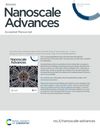
 In this study, a biocompatible zinc oxide nanocomposite loaded with the anticancer drug 9-Br-Nos demonstrated effective drug delivery and cytotoxicity against lung cancer cells in vitro, while also proving non-toxic to healthy cells, suggesting its potential for targeted lung cancer treatment.
 December 2025 in “Biological and Clinical Sciences Research Journal”
 In this study, the Waris Hairline Dot Technique for hair transplantation demonstrated high patient satisfaction, excellent naturalness, rapid healing, and minimal complications, suggesting it is a reproducible and aesthetically superior method for creating natural hairlines.
 December 2025 in “The American Journal of Medical Sciences and Pharmaceutical Research”
 This study suggests that integrating barber care with medical treatment improves scalp condition and psychological well-being in early stages of hair loss, by enhancing medication efficacy and reducing stress.
 December 2025 in “Frontiers in Veterinary Science”
 This study found that PT-LCG extends hair follicle activity and promotes continuous cashmere growth by enhancing lipid synthesis, remodeling the extracellular matrix, and modulating inflammatory signaling, offering insights into improving cashmere yield and quality through molecular breeding.
 December 2025 in “Frontiers in Medicine”
 This review details the global mutation patterns of genes associated with autosomal recessive woolly hair/hypotrichosis and highlights potential, yet unproven, treatments like minoxidil and regenerative therapies, reporting no new clinical results.
 November 2025 in “Frontiers in Pharmacology”
 This pharmacovigilance study identified 64 drugs linked to hair loss, revealing specific demographic trends and timing patterns, and emphasized the importance of gender-specific monitoring and label updates to better convey real-world risks.
 November 2025 in “Frontiers in Pharmacology”
 In this study, researchers found that gentamicin-loaded exosomes derived from a bovine leukocyte spleen extract significantly enhanced antimicrobial activity and tissue regeneration in infected diabetic wounds, showing potential as an effective therapeutic strategy for diabetic foot ulcers by improving infection control and promoting healing.
 November 2025 in “Frontiers in Nutrition”
 This study observed that in individuals with stroke, the GNRI has a significant negative association with FI and FISI, mediated by the SII index and OBS, suggesting the importance of anti-inflammatory and antioxidant strategies to reduce FI risk.
 August 2025 in “Tobacco Induced Diseases”
 This study reported that active smokers, including e-cigarette and hookah users, had worse skin quality with more wrinkles and pigmentation compared to ex-smokers and non-smokers, suggesting smoking negatively impacts skin health and may motivate cessation efforts.
 July 2025 in “International Journal of Dermatology Venereology and Leprosy Sciences”
 This review assessed the role of scalp hair Survivin protein in individuals with premature graying, exploring its potential involvement in graying-related processes and highlighting its overexpression in autoimmune diseases that may influence the survival of specific immune cell clones.
 June 2025 in “Saratov Medical Journal”
 This review highlights recent advances in dermatology, including innovations in skin cancer treatments, acne and psoriasis management, trends in cosmetic procedures, and the impact of telemedicine, emphasizing ongoing research's role in enhancing patient care and outcomes.
This study tested a novel cryo-carboxy dispensing device for treating androgenetic alopecia in six volunteers and found an unexpectedly rapid and positive response, with significant hair regrowth observed by day 90, prompting early conclusion of the trial.
 January 2025 in “Clinical and Medical Engineering Live”
 This study discusses the potential health risks associated with occupational radiation exposure, including genetic mutations, cancers, and other diseases, and outlines strategies for prevention and occupational health safety.
 January 2025 in “Bright Sky Publications eBooks”
 This abstract presents the book "Buy Medical Physics in Aesthetic Medicine," which explores future innovations and techniques for cosmetic procedures expected in 2025, though specific findings or results from the book are not reported.
 March 2024 in “Cytologia”
 In this study, researchers observed that melatonin-mediated LncRNA MTC in Liaoning cashmere goat skin fibroblasts enhances cell proliferation by interacting with the GSTM1 protein, affecting its complex formation with ASK1 and thereby inhibiting apoptosis, which may be relevant for improving cashmere growth.
 November 2023 in “Klìtinna ta organna transplantologìâ”
 This study reviews the regenerative potential and clinical applications of exosomes derived from mesenchymal stem cells in conditions like COVID-19, alopecia, skin aging, and osteoarthritis, highlighting their role as a promising tool in regenerative medicine.

This article reviews various topics including medically important plants in dermatology, supporting medicinal herbs for primary dysmenorrhea, and several drug delivery systems, without providing new clinical findings.
This study aims to use a comprehensive health data set to develop a statistical model that can improve personalized and preventive health care by understanding relationships between various health parameters in individuals.
 January 2023 in “International Journal of Pharmaceutical Research and Development”
 This review discusses alopecia, its pathophysiology, nanotechnology-based drug delivery systems, and related quality of life issues, without reporting new clinical results.
 January 2022 in “Dermatology Review”
 This study found that patients with chronic kidney disease-associated pruritus had elevated serum levels of interleukin 31, suggesting a possible role of this cytokine in the condition.

This genetic study identified a potential interval for the Marie Unna hypotrichosis gene but found no mutations in the nearby hr gene, suggesting its involvement remains unconfirmed.

This study found that sericin dressing containing collagen hydrolysate significantly reduced wound healing time and improved scar quality compared to commercial dressing in split-thickness skin graft donor sites.