 July 2026 in “Preprints.org”
 In this study, incorporating a novel amino acid compound into a hair-straightening formulation improved humidity-resistant straightening and enhanced the surface and mechanical properties of hair fibers, including increased bending stiffness, reduced friction, and better shape retention under high temperature and humidity conditions.
 January 2014 in “Sen'i Gakkaishi”
 This study highlights that dyeing and other processing methods can impact the identification of animal species from hair fibers using an amino acid sequence analysis technique.
 12 citations
,
August 1984 in “Genetics Research”
12 citations
,
August 1984 in “Genetics Research” In this study, researchers found that the naked (N) gene in mice indirectly affects the synthesis of structural proteins in mouse hair, resulting in reduced high tyrosine protein content and unusual amino acid compositions.
 September 2025 in “Journal of Surfactants and Detergents”
 In this study, shampoos containing sodium lauroyl methylaminopropionate showed superior coacervate formation and lubrication on wet hair, outperforming other amino acid surfactants and suggesting potential for creating low-irritation, high-performance hair products.
 February 2025 in “International Journal of Cosmetic Science”
 This study found that treating hair with ATS, formed from fumaric acid and cysteamine, effectively improved hair quality by increasing moisture content and altering the internal structure of strong curls.

This paper explores the diverse patterns and social significance of Black hair, approaching it as an art form, mathematical pattern, and ethnomathematic entity, and seeks to dispel myths while highlighting its vast possibilities.
 19 citations
,
January 2009 in “International review of cell and molecular biology”
19 citations
,
January 2009 in “International review of cell and molecular biology” This review explains the mechanical composition and molecular interactions that determine hair's mechanical properties, without providing any new experimental findings.
 14 citations
,
October 2020 in “Natural Products and Bioprospecting”
14 citations
,
October 2020 in “Natural Products and Bioprospecting” This review discusses current topical treatments, natural products, and complementary therapies for androgenetic alopecia, but it reports no new clinical results.
 September 2020 in “Research Square (Research Square)”
 This study found that Wan strain Angora rabbits with high wool production had higher hair follicle density and identified five long noncoding RNAs as potential regulators of this trait.
 1 citations
,
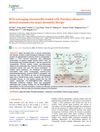
October 2025 in “Nano Research”
1 citations
,
October 2025 in “Nano Research” In this study, researchers developed a dissolvable microneedle patch combining HA-TEMPO and Portulaca oleracea L.-derived nanoparticles, which effectively reduced oxidative stress and inflammation in an atopic dermatitis model while restoring immune balance, suggesting a promising treatment strategy.
 7 citations
,
January 1982 in “Acta agriculturae Scandinavica”
7 citations
,
January 1982 in “Acta agriculturae Scandinavica” Mink use L-methionine and L-cystine slightly better than natural amino acids for hair growth, but D-methionine is not effective.

This study examined hair mineral and free amino acid components in various diseases and found that when using effect size analysis, specific components related to diabetes and other conditions were identified, suggesting their potential as novel health indicators.
 7 citations
,
January 2021 in “Evidence-based complementary and alternative medicine”
7 citations
,
January 2021 in “Evidence-based complementary and alternative medicine” This study suggests that porphyra-334 may have antiaging properties, promoting collagen synthesis, improving periorbital wrinkles, and supporting hair follicle growth through gene regulation.
 December 2025 in “Zenodo (CERN European Organization for Nuclear Research)”
 This review highlights aloe vera's role in hair cosmetics, attributing benefits such as scalp soothing, reducing dandruff, and enhancing hair luster to its rich composition, while also noting potential risks like skin irritation and allergic reactions with use.
 December 2025 in “Zenodo (CERN European Organization for Nuclear Research)”
 This overview reports that aloe vera, widely used in hair cosmetics, boasts components that may promote hair health by nourishing hair follicles, soothing the scalp, and enhancing hair strength and luster, although some individuals may experience allergies or skin irritation.
1 citations
,
November 2023 in “Cosmetics” This study found that washing hair with surfactants reduces the internal density of hair due to cuticle lifting, and suggests that a cuticle-sealing strategy can inhibit this effect and maintain hair homeostasis.
21 citations
,
June 2022 in “Pharmaceutics” This study found that bioactive extracts from goat placenta, particularly when delivered via dissolving microneedles, enhanced fibroblast proliferation and skin regeneration without being toxic to skin cells, suggesting a promising dermal application for improving skin health.
 February 2025 in “Animals”
 This study found that senior dogs fed amino acid-complexed and lysine-glutamic acid-complexed trace minerals had longer, faster-growing hair and increased activity compared to those fed inorganic trace minerals.
This review highlights the potential of plant-derived natural compounds as biocompatible and biodegradable materials in dermal and transdermal delivery systems, emphasizing their unexplored benefits and detailing recent advances in isolation techniques and drug delivery technologies.
16 citations
,
January 2021 in “BMC Genomics” This study found that high wool-producing Wan Strain Angora rabbits had higher hair follicle density and identified potential regulatory long noncoding RNAs that may influence this trait.
November 2024 in “Journal of Functional Foods” In this study, APC collagen peptides were observed to enhance hair elasticity and gloss in human hair follicles by increasing amino acid and lipid component levels, suggesting their potential benefits for improving hair qualities.
14 citations
,
April 2023 in “International Journal of Molecular Sciences” In a study using female Wistar rats, the researchers found that a liquid allantoin-enriched pectin hydrogel significantly improved wound healing, achieving a 71.43% reduction in healing time and complete wound closure in 15 days.
5 citations
,
February 2022 in “Biophysical journal” This study developed a mathematical model indicating that the amino acid sequences of intermediate filament proteins, rather than flexibility differences, significantly impact assembly rates.
 January 2020 in “Journal of Pharmacognosy and Phytochemistry”
 This study observed that a polyherbal hair oil made from virgin coconut oil and extracts of nine different herbs demonstrated effectiveness in promoting hair growth with a cooling effect and no reported side effects, based on various evaluated properties.
 26 citations
,
September 1990 in “Ophthalmology”
26 citations
,
September 1990 in “Ophthalmology” This case study found that a 7-year-old girl's crystalline cataract had sulfur-containing amino acids likely cystine, and was associated with abnormal hair conditions.
 January 2020 in “Asian journal of applied science and technology”
 This source provides an overview of the dietary recommendations for macronutrient intake and the benefits of plant-based diets, including meeting essential amino acid needs through combining plant proteins and the advantages of consuming complex carbohydrates and adequate fiber for health.
 43 citations
,
July 2012 in “Molecular human reproduction”
43 citations
,
July 2012 in “Molecular human reproduction” This study suggests that women with polycystic ovary syndrome may have a distinct metabolomic profile, differing in levels of amino acids, organic acids, and lipids compared to controls.
2 citations
,
May 2019 in “Small ruminant research” This study identified polymorphisms in HGT-KRTAP7-1 and KRTAP8-1 genes in Argentine llamas that may impact fiber characteristics by altering amino acid residues critical for keratin-associated protein properties.
6 citations
,
November 2024 in “Frontiers in Sustainable Food Systems” This study found that ultrasonication pre-treatment at various power levels improved the color, protein solubility, and degree of hydrolysis of fish protein hydrolysates from mackerel side streams, and potentially reduced bitterness by decreasing hydrophobic free amino acids.
 1 citations
,
May 2023 in “Farmacja Polska”
1 citations
,
May 2023 in “Farmacja Polska” This study summarizes current knowledge on the role of creatine in the human body, its applications in supplementation, and its impact on muscle mass, especially noting that animal-based foods are primary dietary sources and that women may experience health benefits from supplementation.