 142 citations
,
March 2019 in “Frontiers in Cellular Neuroscience”
142 citations
,
March 2019 in “Frontiers in Cellular Neuroscience” This review discusses the development and potential therapeutic applications of adenosine receptor agonists and positive allosteric modulators, noting that while many clinical trials have been unsuccessful, initial results for new compounds are promising.
3 citations
,
April 2012 in “Journal of the American Academy of Dermatology” Men with Addison disease should be screened for X-linked adrenoleukodystrophy if they have hair loss.
 21 citations
,
July 2020 in “Stem Cell Research & Therapy”
21 citations
,
July 2020 in “Stem Cell Research & Therapy” This study found that adipose-derived mesenchymal stem cells from type 2 diabetes mice were slightly less effective, yet had comparable therapeutic effects on wound healing compared to non-diabetic controls.
July 2026 in “Advanced Science” In this study, researchers found that a scallop adhesive protein (Sbp9 Δ) forms strong adhesive coatings via disulfide-sticker strategies, which also promote hair regeneration in mouse models by activating Wnt signaling and enhancing angiogenesis, proving more effective than minoxidil for androgenetic alopecia.
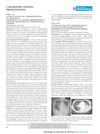 May 2025 in “The Journal of Rheumatology”
 This case report highlights a rare instance of diffuse alveolar hemorrhage in a patient with catastrophic antiphospholipid syndrome, emphasizing the importance of early recognition and multidisciplinary management.
2 citations
,
May 2020 in “Research Square (Research Square)” The researchers reported that adipose-derived stem cells from type 2 diabetic mice showed comparable therapeutic effects in wound healing to control cells, despite slightly reduced growth factor secretion and healing promotion.
5 citations
,
May 2024 in “Journal of Cosmetic Dermatology” In this study, treatment with cell-derived nanovesicles from hair follicle mesenchymal stem cells improved photoaging signs in UVB-exposed mice and human dermal fibroblasts by reducing oxidative stress, enhancing cell proliferation, and promoting extracellular matrix production.
January 2020 in “Proyecto de investigación:” This study found a significant association between AGDAC measurements and the presence of PCOS, suggesting it could be an effective clinical tool in diagnosing the condition and its phenotypes, especially when combined with AMH.
1 citations
,
September 2025 in “Wound Repair and Regeneration” This study found that an acellular dermal matrix derived from tilapia skin significantly accelerated wound healing and improved tissue regeneration quality in mouse and pig models compared to a commercial porcine-derived matrix, suggesting its potential as a safe, cost-effective bioscaffold for skin repair.
 4 citations
,
January 2022 in “Current pharmaceutical design”
4 citations
,
January 2022 in “Current pharmaceutical design” This review discusses the benefits and applications of microsponges delivery systems in drug delivery, particularly for topical treatments, and reports no new clinical findings.
 5 citations
,
June 2023 in “Engineering Technology & Applied Science Research”
5 citations
,
June 2023 in “Engineering Technology & Applied Science Research” This study developed a new neural network model (AA-GAN-AB-MTEDeep) to enhance Alopecia Areata classification using synthetic scalp images, achieving an accuracy of 96.94%.
July 2025 in “Journal of Investigative Dermatology” DACC-based dressings are more effective than silver-based ones for treating chronic wounds with antimicrobial resistance.
 June 2025 in “Stem Cell Research & Therapy”
 This study found that administering adipose-derived stem cells with ATP improved hair regrowth in male mice with androgenetic alopecia, while the combination was less effective in female mice.
January 2026 in “JCEM Case Reports” This case report presents a rare instance of recurrent ACTH-independent Cushing’s syndrome due to PBMAH, coinciding with the development of a pheochromocytoma, highlighting the need for thorough reevaluation in similar recurring cases.
April 2019 in “Journal of the Endocrine Society” This case study describes a 28-year-old woman with ACTH-independent Cushing's syndrome due to an adrenal adenoma, whose symptoms improved significantly after unilateral adrenalectomy.
June 2022 in “Indian Journal of Ophthalmology/Indian journal of ophthalmology” This case report of an infant with AEC syndrome highlights the importance of early and aggressive management of ocular complications to preserve vision and reduce the risk of amblyopia.
 29 citations
,
March 2020 in “Stem Cell Research & Therapy”
29 citations
,
March 2020 in “Stem Cell Research & Therapy” This study suggests that adipose-derived mesenchymal stem cells from diabetic mice can enhance wound healing by promoting fibroblast growth, migration, angiogenesis, and differentiation into fibroblasts and endothelial cells.
241 citations
,
March 2000 in “The Journal of Urology” This review discusses the concept of andropause, preferring the term "androgen decline in the aging male" (ADAM), and emphasizes the need for urologists to recognize its manifestations and manage its treatment, but reports no new clinical results.
 August 2023 in “Clinical and Experimental Dermatology”
 The document discusses a special exam case for formulating and using systemic therapy named Athena.
7 citations
,
May 1993 in “Journal of the European Academy of Dermatology and Venereology” This review examines the role of cell adhesion molecules in the pathogenesis of various inflammatory and neoplastic skin diseases, suggesting their potential utility in diagnosis and treatment without presenting new clinical results.
54 citations
,
December 2011 in “American Journal Of Pathology” This study found that immune-mediated destruction of bulge stem cells is a key factor in the alopecia observed in AE mice, suggesting it as a model for studying primary cicatricial alopecias, particularly lichen planopilaris.
December 2005 in “Journal of Medical Regulation” This summary describes the changes and developments in medical education and accreditation in Australia, as reported by the Australian Medical Council, highlighting increased collaboration among medical schools and new specialty recognitions.
3 citations
,
March 2002 in “Linchuang pifuke zazhi” This study analyzed clinical manifestations of dermatomyositis in 18 patients, reporting common symptoms such as skin rash, proximal muscle weakness, and elevated serum markers, with treatment typically involving prednisolone and hydroxychloroquine.
4 citations
,
October 2021 in “Journal of Clinical Medicine” This study found that individuals with heterozygous truncation-type variants in the *DSP* gene exhibit lower skin temperature and higher transepidermal water loss, with specific microscopic skin changes and pseudomonilethrix.
 August 2023 in “The journal of investigative dermatology/Journal of investigative dermatology”
 This study found no clear associations between childhood atopic dermatitis and general cognitive ability, although moderate-to-severe cases may slightly affect specific cognitive components like nonverbal IQ.
January 2006 in “Chinese Journal of Dermatology” This study observed that amelanotic melanocytes from human hair follicles appeared morphologically immature, suggesting they might not transfer melanosomes into keratinocytes.
17 citations
,
January 1998 in “Neurourology and Urodynamics” This report describes a case of adrenomyeloneuropathy where neurogenic bladder dysfunction developed, attributed to demyelinating lesions in the patient's peripheral nerves, spinal cord, and cerebral white matter.
 2 citations
,
September 2022 in “Cytotherapy”
2 citations
,
September 2022 in “Cytotherapy” This review summarizes recent research on the therapeutic uses of adipose-derived stem cells for wound healing and treating skin diseases but does not provide new experimental results.
2 citations
,
September 2024 in “Biomedical Research and Therapy” This commentary suggests that mesenchymal stem cells (MSCs) should be redefined as "master signaling cells" due to their primary role in regulating tissue homeostasis and regeneration through signaling functions.
December 2024 in “Journal of Maxillofacial and Oral Surgery”